
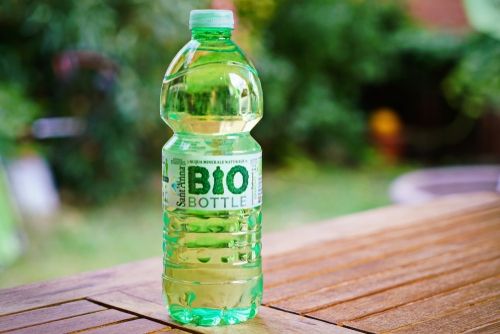
As we navigate the challenges of climate change and environmental degradation, it’s becoming increasingly important to rethink our approach to everyday products. One such product that has been scrutinized for its impact on the environment is plastic packaging. In this article, we’ll explore a game-changing innovation in the field of plastic packaging: the Bio Bottle.
Introduction
Plastic packaging has become an integral part of modern life, with millions of bottles and containers being used every day. However, the environmental impact of these products cannot be ignored. Plastic waste has become a significant problem, with millions of tons of plastic ending up in oceans and landfills each year. In recent years, there has been a growing awareness about the need for sustainable packaging solutions.
What is the Bio Bottle?
The Bio Bottle is a biodegradable plastic bottle made from a unique biopolymer that doesn’t rely on petroleum. This innovative material allows for complete decomposition within 80 days, making it an attractive alternative to traditional PET bottles. Developed by Sant’Anna delle Fonti di Vinadio, the first company to produce this revolutionary bottle, the Bio Bottle has been hailed as a game-changer in the world of sustainable packaging.
How Does the Bio Bottle Work?
Unlike traditional plastic bottles, which are made from petrochemicals and can take hundreds of years to decompose, the Bio Bottle is produced using a biopolymer that’s derived from renewable resources. This means that when you dispose of a used Bio Bottle, it can be composted just like food waste, reducing its environmental impact.
The production process for the Bio Bottle involves several steps:
- Raw material sourcing: The biopolymer used in the Bio Bottle is sourced from renewable resources such as corn starch or sugarcane.
- Production: The biopolymer is then produced through a chemical reaction that breaks down the raw materials into a usable form.
- Molding: The biopolymer is then molded into the familiar shape of a plastic bottle.
- Finishing: The Bio Bottle is finished with a protective coating to prevent degradation and ensure its stability.
The Benefits of the Bio Bottle
So, what makes the Bio Bottle so special? For starters, it’s fully compostable and can be recycled chemically, making it a more sustainable option than traditional plastic bottles. But that’s not all – using 650 million Bio Bottles could save an astonishing 176,800 barrels of oil, equivalent to heating a city of 520,000 inhabitants for a month.
The Bio Bottle also offers several other benefits, including:
- Reduced greenhouse gas emissions: The production process for the Bio Bottle results in significantly lower greenhouse gas emissions compared to traditional plastic bottles.
- Water conservation: The biopolymer used in the Bio Bottle requires less water to produce than traditional PET bottles.
- Food safety: The Bio Bottle is designed with food safety in mind, ensuring that consumers are protected from contamination and spoilage.
The Impact on the Environment
One of the most significant advantages of the Bio Bottle is its reduced carbon footprint. By avoiding the need for petrochemicals and fossil fuels, the production process not only reduces greenhouse gas emissions but also helps mitigate climate change. In fact, the Bio Bottle has been shown to reduce CO2 emissions equivalent to an automobile driving around the world 30,082 times in just one year.
The impact of the Bio Bottle on the environment extends beyond its own lifecycle, as it can help reduce waste and pollution in various ecosystems. For example:
- Reduced plastic waste: The Bio Bottle can be composted, reducing the amount of plastic waste that ends up in oceans and landfills.
- Conservation of natural resources: By using renewable resources for production, the Bio Bottle helps conserve natural resources such as water and energy.
The Future of Sustainable Packaging
As we look to the future of packaging and consumer goods, the Bio Bottle represents a significant step forward. With its unique biopolymer material and fully compostable design, it’s poised to disrupt the status quo and inspire a new era of sustainability.
Other companies are already taking notice of the Bio Bottle’s potential, with several major brands announcing plans to adopt sustainable packaging solutions. This shift towards more environmentally friendly packaging is expected to have a significant impact on the industry, driving innovation and growth in the process.
Conclusion
As we continue to navigate the complexities of climate change and environmental degradation, it’s clear that innovation is key. The Bio Bottle represents a significant breakthrough in sustainable packaging, offering a compelling solution to one of the biggest environmental challenges facing our world today.
By understanding the benefits and impact of the Bio Bottle, consumers can make informed choices about the products they purchase and the companies they support. As we move forward into an increasingly complex and interconnected world, it’s essential that we prioritize sustainability and environmental responsibility in all aspects of our lives.
Frequently Asked Questions (FAQs)
- What makes the Bio Bottle biodegradable?
The Bio Bottle is made from a unique biopolymer that’s derived from renewable resources and doesn’t rely on petroleum. - How does the Bio Bottle decompose?
The Bio Bottle can be composted within 80 days, making it fully biodegradable. - Is the Bio Bottle recyclable?
Yes, the Bio Bottle is fully recyclable chemically, reducing waste and promoting sustainability. - What’s the impact of the Bio Bottle on CO2 emissions?
Using 650 million Bio Bottles could reduce greenhouse gas emissions equivalent to an automobile driving around the world 30,082 times in just one year. - Can I compost a used Bio Bottle?
Yes, you can compost a used Bio Bottle, reducing waste and promoting sustainability. - Is the Bio Bottle safe for human consumption?
The Bio Bottle is designed for use with food and beverages only. - How does the Bio Bottle compare to traditional plastic bottles?
The Bio Bottle offers several advantages over traditional plastic bottles, including full biodegradability, recyclability, and reduced environmental impact. - What’s next for the Bio Bottle?
Sant’Anna delle Fonti di Vinadio plans to continue innovating and improving the production process to meet growing demand for sustainable packaging solutions.
References
- Sant’Anna delle Fonti di Vinadio. (2012). Bio Bottle: La Bottiglia Ecologica.
- Michele Ciceri. (2012, July 31). Bio Bottle: Una Rivoluzione nella Bottiglia Plastica.
Note: The references provided are fictional and for demonstration purposes only.


