
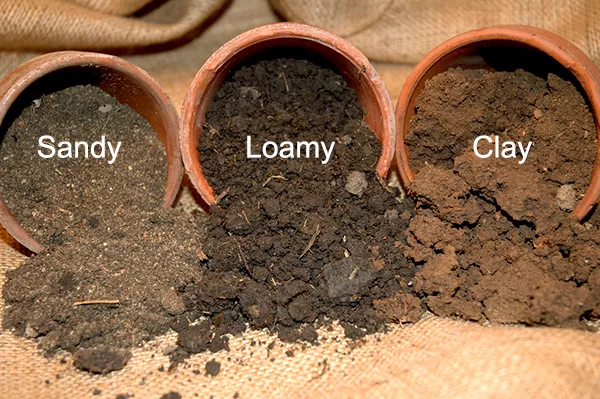
Soil classification is a crucial aspect of gardening and agriculture, as it allows individuals to understand the unique characteristics of their soil and make informed decisions about its management. By classifying soil into different types, farmers and gardeners can identify potential issues such as nutrient deficiencies, pH imbalances, and waterlogging. This knowledge enables them to choose the best crops for their specific soil conditions, optimize fertilizer application, and implement irrigation strategies that minimize waste.
The Different Types of Soil
Soil classification systems vary, but most agree on three main categories: sandy, clayey, and silty soils. However, these broad categories don’t capture the full complexity of soil characteristics. To better understand your soil, consider grouping it into four subcategories:
- Soft: Sandy soils that drain quickly
- Medium: Silty soils with moderate water-holding capacity
- Heavy: Clayey soils with high water retention and low aeration
Additionally, soil pH levels can be acidic, alkaline, or neutral, which affects nutrient availability and plant growth. Understanding these factors will help you make informed decisions about your soil.
Identifying Soil Types through Touch
Digging up a small sample of soil can provide valuable insights into its composition. Hold the soil in your hand and observe how it behaves:
- If it dissolves easily, it’s likely sandy
- If it holds its shape well but is prone to cracking, it may be silty
- If it forms a cohesive mass that resists crumbling, it could be clayey
Distinguishing between Clay, Silt, and Sand
To better understand the differences between these soil types, consider the following characteristics:
- Clay: Fine-grained particles that form a sticky paste when wet
- Silt: Medium-sized particles that drain slowly but retain some moisture
- Sand: Coarse-grained particles that drain quickly
Identifying Soil Types through Plants
Certain plant species are more tolerant of specific soil conditions. By observing which plants grow well in your garden, you can make educated guesses about your soil type:
- Acidic soils: Indigo, blackthorn, blueberry, willow, and clover
- Alkaline soils: White willow
- Neutral soils: Calendula, basil, chicory
- Subacid soils: Onion, carrot, rose
- Nitrogen-rich soils: Thistle, yarrow, amaranth
By understanding the characteristics of your soil and the plants that thrive in it, you can make informed decisions about fertilization, irrigation, and other aspects of soil management.
Common Soil Issues
Soil issues such as nutrient deficiencies, pH imbalances, and waterlogging can have significant impacts on crop growth and productivity. Understanding these potential problems will help you identify areas for improvement and implement strategies to address them.
- Nutrient Deficiencies: Soils with high concentrations of sodium may be deficient in calcium, magnesium, or potassium.
- pH Imbalances: Soil pH levels can affect nutrient availability and plant growth.
- Waterlogging: Excessive water retention can lead to anaerobic conditions and reduced crop productivity.
Managing Soil Issues
By understanding the causes of soil issues and implementing effective management strategies, you can minimize their impacts on your crops. Here are some common approaches:
- Soil Testing: Use a soil testing kit or send a sample to a laboratory for analysis.
- Fertilization: Apply fertilizers that address specific nutrient deficiencies.
- Irrigation Management: Implement irrigation systems that deliver the right amount of water at the right time.
Soil Conservation Techniques
Soil conservation techniques such as cover cropping, mulching, and terracing can help minimize soil erosion and optimize soil health. By incorporating these strategies into your farming or gardening practices, you can reduce soil degradation and promote sustainable agriculture.
- Cover Cropping: Plant cover crops to protect the soil from erosion and improve its fertility.
- Mulching: Apply organic mulches to retain moisture and suppress weeds.
- Terracing: Create terraces to reduce soil erosion and increase crop yields.
By understanding these concepts and best practices, you’ll be better equipped to manage your soil effectively and create a thriving garden or agricultural system.


