
Water softeners are devices that prevent the formation of substances insoluble in water, thereby avoiding the formation of calcare and correcting, if necessary, the hardness of the water.
The Science Behind Water Hardness
In water, calcium and magnesium bicarbonates (soluble compounds) are in balance with calcium carbonates, magnesium carbonates, and carbonic acid. When temperature increases, this balance tends to shift (as anhydride carbonic is released), leading to a chemical reaction that produces insoluble substances, known as calcare.
How Water Softeners Work
A water softener can be described as a simple container (filled with resins) through which flowing water passes to soften it. Based on the type of resin used, there are various water softeners that differ in method of operation (as well as size and capacity: “how much water can they remove?” in liters per day).
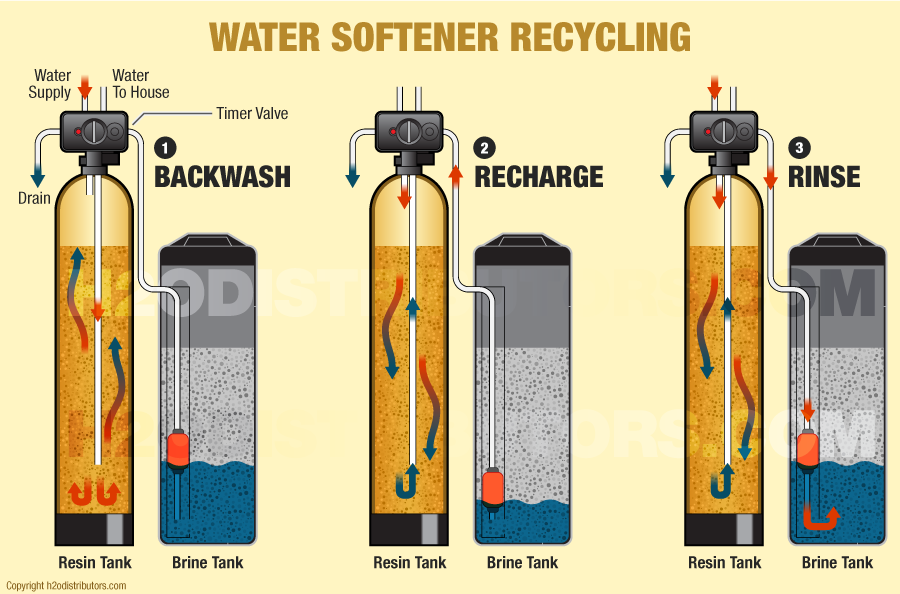
The most common water softeners have an opening where salt is inserted directly onto the resins. When water flows through, the salt dissolves slowly removing calcium and magnesium ions. To maintain a certain balance, sodium ions are added instead of these mineral salts.
Water softeners function by allowing the exchange of sodium and calcium ions at the resin level. This exchange occurs when water passes through the container.
Evolution of Water Softener Technology
The principles of operation mentioned earlier, as well as methods of resin regeneration, have evolved over time. Today, there are water softeners with low maintenance that can regenerate resins even after 10 years without human intervention.
Is the softened water safe to drink?
The water softener is not a potabilizer or filter, so the water maintains its original characteristics. Softened water does not pose any health risks, and it is generally considered potable. However, there are limitations: sodium levels should not exceed 300 mg/L.
Cost of Water Softeners
What’s the cost of installing a water softener?
The cost of a water softener itself will pay for itself. How? The hardness-causing mineral deposits require increased energy consumption from washing machines, dishwashers, and other appliances that use water, leading to additional maintenance costs, appliance breakdowns, and even repairs.
- What’s the price range for water softeners?
- According to IdeeGreen.it, a plumber may charge between 1000 and 1500 euros for purchasing and installing a water softener.
- However, with DIY projects or buying the softener itself and hiring a plumber for installation costs can be reduced by more than 50%.
- Which model is the most affordable?
- The Water2buy W2B800 model stands out as one of the most cost-effective options on the market.
- On Amazon, this water softener is available for 549 euros. However, in physical stores, it can be found for up to 800 euros.
What’s Included with the Purchase
When purchasing a water softener, you’ll typically receive:
- Raccordi (connectors)
- Alimentatori (power supplies)
- Valvole (valves) for easier installation
Ideally, it’s recommended to install the water softener between the meter and the main household water supply.
Installation of Water Softeners
When installing a water softener, consider hiring a professional plumber who has experience with residential plumbing systems. This will ensure that the installation is done correctly and safely.
Some key considerations for a successful installation include:
- Placing the water softener near the point where the hard water enters your home
- Ensuring that all connections are secure and properly sealed
- Testing the system to ensure it’s working as intended
Resin Replacement
Water softeners require regular resin replacement to maintain their effectiveness. The frequency of replacement depends on factors such as usage, water quality, and manufacturer recommendations.
Types of Water Softeners
There are various types of water softeners available, including:
- Salt-based systems: These are the most common type and use salt to remove minerals from the water.
- Salt-free systems: These use alternative technologies to remove minerals without using salt.
- Magnetic systems: These use magnetic fields to attract and remove minerals from the water.
Conclusion
Water softeners are a simple yet effective solution to preventing mineral buildup in pipes. With proper maintenance, they can save you money by reducing energy consumption, appliance wear and tear, and other associated costs. By choosing the right model for your needs and considering DIY installation options, you can enjoy clean, softened water that’s safe to drink.
Frequently Asked Questions
Q: Is it possible to remove all minerals from my drinking water?
A: Water softeners primarily target calcium and magnesium ions, which contribute to hard water. They do not remove other essential minerals like potassium or sodium.
Q: Can I use a water softener with my entire home’s plumbing system?
A: While it is technically possible, installing a single water softener for an entire household can be costly and may require additional hardware components.
Q: How often should I replace the resin in my water softener?
A: The lifespan of the resin depends on several factors, including usage frequency, maintenance habits, and the specific type of water coming into your home.


