
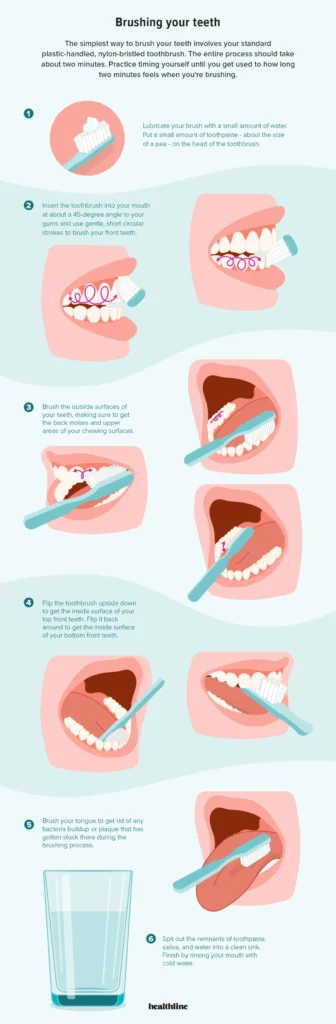
Proper tooth brushing is an essential practice for maintaining good oral health and preventing a range of problems, including tooth decay, gum disease, and heart issues. In this article, we will explore the importance of effective oral hygiene, discuss the tools needed to achieve it, and provide tips on how to brush your teeth correctly.
Understanding the Risks of Poor Oral Hygiene
Poor oral hygiene can lead to a range of health problems, including:
- Tooth decay: Bacteria in the mouth feed on sugars and starches, producing acid that damages tooth enamel.
- Gum disease: Plaque buildup on teeth causes inflammation of the gums, leading to redness, swelling, and potentially life-threatening infections.
- Heart issues: Research suggests that there may be a link between gum disease and an increased risk of developing cardiovascular disease.
The Tools of Oral Hygiene
To maintain good oral hygiene, there are three essential tools: toothbrush, toothpaste, and floss. A soft-bristled toothbrush is recommended, as it helps to clean the teeth without damaging the gums or biting surfaces. Toothpaste should be chosen according to your needs – some options include whitening, sensitivity relief, and tartar control. Flossing is also crucial for removing food particles and plaque from between the teeth.
Using Your Toothbrush Effectively
When using your toothbrush, it’s essential to use the correct technique to avoid damaging your gums or teeth. Start by brushing your teeth in small circular motions, making sure to cover all surfaces. Pay particular attention to areas where your teeth and gums meet. Use gentle pressure, as excessive force can cause damage. Remember to brush for at least two minutes and twice a day.
Benefits of Regular Flossing
Flossing is an essential part of oral hygiene, allowing you to remove food particles and plaque from between your teeth. This helps to prevent tartar buildup and gum disease. Regular flossing also has numerous health benefits, including reducing the risk of heart disease and stroke.
- Reduced risk of heart disease: Research suggests that regular flossing may help lower blood pressure and reduce the risk of heart disease.
- Improved overall health: Flossing can help prevent a range of oral health problems, including gum disease and tooth decay, which can have far-reaching consequences for your overall health.
Using a Tongue Scraper and Mouthwash
In addition to brushing and flossing, using a tongue scraper can help remove bacteria and debris from your tongue, promoting fresh breath and overall oral health. Some mouthwashes contain antibacterial ingredients that help kill germs in the mouth.
- Fresh breath: Using a tongue scraper and mouthwash can help eliminate bad breath, making you feel more confident and self-assured.
- Improved gum health: Regular use of a tongue scraper and mouthwash may also help reduce inflammation and improve overall gum health.
The Importance of Regular Dental Check-Ups
Regular dental check-ups are crucial for maintaining good oral hygiene. A dentist can identify potential problems early on, providing treatment before they become more serious issues. This also helps to detect any underlying health conditions, such as diabetes or heart disease.
- Early detection: Regular dental check-ups can help identify potential problems early on, when they are easier to treat.
- Improved overall health: Detecting underlying health conditions through regular dental check-ups may also help improve your overall health and well-being.
The Impact of Poor Oral Hygiene on Overall Health
Research has shown that poor oral hygiene is linked to a range of health problems, including:
- Heart disease: Bacteria in the mouth can travel through the bloodstream and contribute to the development of cardiovascular disease.
- Diabetes: Research suggests that there may be a link between gum disease and an increased risk of developing type 2 diabetes.
- Respiratory infections: Bacteria from the mouth can be aspirated into the lungs, leading to respiratory infections such as pneumonia.
Conclusion
Proper oral hygiene is essential for maintaining good health and preventing a range of problems. By using the correct tools and techniques, brushing regularly, and attending regular dental check-ups, you can ensure your teeth are healthy and strong. Don’t forget to take care of your overall health by addressing any underlying conditions that may be linked to poor oral hygiene.
Frequently Asked Questions
- How often should I brush my teeth?
Brushing your teeth at least twice a day is recommended. - What type of toothpaste should I use?
Choose a toothpaste that suits your needs, such as whitening, sensitivity relief, or tartar control. - Why is flossing important?
Flossing helps remove food particles and plaque from between the teeth, preventing tartar buildup and gum disease. - Can I use mouthwash instead of flossing?
While mouthwash can be beneficial, it’s not a replacement for flossing. Both are essential parts of oral hygiene. - How often should I attend dental check-ups?
Regular check-ups with your dentist are crucial for maintaining good oral hygiene and detecting any potential problems early on.
Remember, proper oral hygiene is key to maintaining good health. By following these tips and attending regular dental check-ups, you can ensure your teeth are healthy and strong.


