
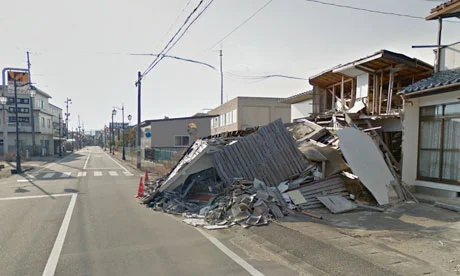
As you drive through the streets, you can’t help but notice the eerie silence that falls over the road. The sudden stillness is like a punch to the gut, leaving you feeling unsettled and curious. This is what happens when we cross paths with a tragic event, like an accident or a disaster. Our minds struggle to process the horror of it all, and our curiosity gets the better of us.
One such place that has become a hub for morbid fascination is Fukushima, Japan. The streets of this city have been documented on Google Street View, allowing us to explore the abandoned homes, schools, and businesses that were once thriving but now lie in ruins. But why are we so drawn to these ghost towns? What drives our desire to see the aftermath of tragedy?
The Rise of Tourist Interest
In recent years, Fukushima has become a popular destination for tourists who want to experience the macabre side of life. People are curious about what happened to the city and its residents after the devastating earthquake and tsunami in 2011. The disaster led to the evacuation of over 21,000 people from the nearby town of Namie, leaving behind a trail of destruction and heartbreak.
The streets of Fukushima have become a kind of morbid fascination, with tourists flocking to see the remnants of what once was. But is this interest healthy? Are we exploiting the tragedy for our own entertainment?
Exploring the Ghost Towns of Fukushima
Google Street View has made it possible for us to explore the abandoned streets of Fukushima without having to physically visit the city. The images show us the scale of the destruction, with buildings reduced to rubble and homes left empty. It’s a sobering reminder of what happened in 2011.
The town of Namie is particularly poignant, with its once-thriving community now lying in ruins. The streets are eerily quiet, with no signs of life anywhere. It’s as if time has stood still, leaving us to wonder what might have been.
A City Frozen in Time
As the current mayor of Namie put it, “Time seems to have stopped for us here.” The city is struggling to come to terms with its new reality, and the impact of the disaster on its residents is still being felt. Many people are still living in temporary housing, two years after the disaster.
The city’s desire to document its history through Google Street View is a testament to its resilience. By capturing images of the abandoned streets, they hope to preserve their memories for future generations.
A Look Back at the Disaster
So what happened on that fateful day in 2011? A magnitude 9 earthquake struck the coast of Japan, triggering a tsunami that devastated the city. The resulting nuclear meltdown released radioactive materials into the air, contaminating a large area around the plant.
The disaster had far-reaching consequences, with thousands of people forced to evacuate their homes. The impact on the local community was devastating, with many families left without a place to call home.
Understanding the Aftermath
In the months and years following the disaster, Fukushima has undergone significant changes. The evacuation zone has been expanded, and new housing developments have been built for those who were displaced. However, much of the city remains abandoned, a testament to the devastating impact of the disaster.
The Japanese government has implemented various measures to ensure public safety, including decontamination efforts and infrastructure improvements. But despite these efforts, many residents continue to struggle with the aftermath of the disaster.
The Human Cost
One of the most striking aspects of Fukushima is the human cost of the disaster. The evacuation of Namie left behind thousands of families, forced to leave their homes and livelihoods behind. Many were unable to return, and some have been forced to live in temporary housing for years.
The emotional toll on these individuals cannot be overstated. Trauma, stress, and anxiety are just a few of the emotions that people may experience as a result of the disaster. The loss of community, social connections, and daily routines can also take a significant impact on mental health.
Supporting the Recovery Efforts
Despite the challenges posed by the disaster, there is hope for Fukushima’s future. By supporting organizations involved in the cleanup and rebuilding efforts, we can help contribute to the recovery process.
Donations to reputable charities or organizations can make a tangible difference in the lives of those affected. From providing essential supplies and services to supporting education and job training initiatives, every little bit counts.
Conclusion
As we explore the streets of Fukushima through Google Street View, we are reminded of the power of nature and the fragility of human life. The tragedy of 2011 is a sobering reminder of what can happen when disaster strikes. But by documenting our history and supporting those affected, we can ensure that future generations will never forget.
FAQs
Q: What happened in Fukushima in 2011?
A: A magnitude 9 earthquake triggered a tsunami that devastated the city, leading to a nuclear meltdown and radioactive contamination.
Q: How many people were evacuated from Fukushima?
A: Over 21,000 people were forced to leave their homes due to the disaster.
Q: Can you visit Fukushima today?
A: While it is possible to visit the city, tourists are advised to exercise caution due to the ongoing cleanup efforts and potential radiation risks.
Q: Why is Google Street View helping to document Fukushima?
A: The mayor of Namie hopes that by capturing images of the abandoned streets, they can preserve their memories for future generations and help rebuild the community.
Q: Is it healthy to visit a disaster site as a tourist?
A: It depends on your intentions. While curiosity may drive you to visit, be respectful of the people affected and the city’s history.
Q: Can I book a tour to visit Fukushima?
A: Yes, there are guided tours available that allow visitors to explore the city and its history in a responsible and respectful manner.
Q: How can I help support the recovery efforts in Fukushima?
A: Consider donating to reputable charities or organizations involved in the cleanup and rebuilding efforts.


