
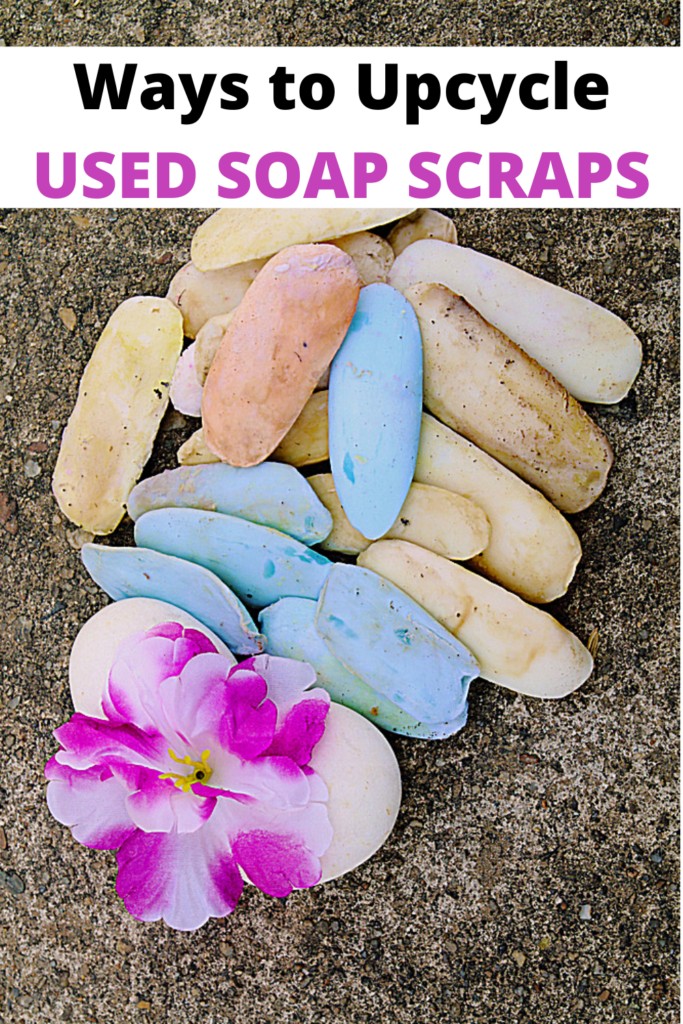
Are you aware that your home is filled with countless products that can be easily recycled? One such example is soap scraps. Why not reuse them? Yes, recycling soap scraps is a fundamental aspect of being environmentally conscious, as it allows us to create new products that would otherwise need to be purchased at the store. It’s not rocket science; let’s explore some amazing ways to recycle your soap leftovers.
What Can We Make with Soap Scraps?
One of the simplest and most effective methods for recycling soap scraps is to combine all the remaining pieces to create a new bar of soap. To prepare, simply moisten the smaller pieces and press them onto the larger ones. If the scraps are too small, you’ll need to melt them down before pouring the mixture into small molds.
A Creative Twist: Using Recycled Tetrapak Containers as Molds
But that’s not all! We can also use recycled tetrapak containers as molds for our soap creations. Just imagine using eco-friendly materials to create unique and sustainable soaps. The process of transforming these containers into soap molds requires some creativity and resourcefulness, but it’s a great way to give new life to discarded packaging.
Benefits of Recycling Soap Scraps
Recycling soap scraps offers numerous benefits, including:
- Reduces waste: By reusing leftover soap, we significantly reduce the amount of waste sent to landfills.
- Saves resources: Creating new products from recycled materials helps conserve natural resources, such as water and energy.
- Encourages sustainability: Recycling soap scraps promotes a culture of sustainability and encourages individuals to think creatively about reducing their environmental footprint.
- Creates unique products: Soap scraps can be transformed into one-of-a-kind soaps that are not only eco-friendly but also have a special character.
Soap Scraps, Detergent Spray
Another innovative way to reuse soap scraps is by creating a homemade detergent spray for windows and floors. To make it, simply melt 100 grams of soap shreds in boiling water, add a tablespoon of lemon juice, and stir well before transferring the mixture into spray bottles.
The benefits of this method include:
- Natural cleaning: Detergent sprays made from recycled soap are free from harsh chemicals and toxins.
- Cost-effective: This DIY solution is budget-friendly and eliminates the need for expensive commercial cleaners.
- Versatile: The same detergent spray can be used to clean various surfaces, making it a convenient option for household chores.
Creating Soap Liquids from Soap Scraps
Did you know that we can even turn soap scraps into liquid soap? This is perfect for washing your hands and face, making it an ideal addition to your bathroom routine. To create the liquid soap, simply melt 100 grams of soap leftovers in boiling water, then add 5 drops of your preferred essential oil.
The benefits of this method include:
- Easy to use: Liquid soap is a convenient option for daily washing needs.
- Moisturizing properties: Some soap scraps can be blended with moisturizing ingredients to create a nourishing liquid soap.
- Customizable: By adding different essential oils, you can customize the scent and benefits of your homemade liquid soap.
Beyond Soap: Exploring Other Uses for Soap Scraps
Soap scraps can be used in numerous ways beyond creating new soaps. For instance, you can fill your guant in spugna (a wash mitt) with leftover soap to create a foamy cleaning experience every time you use it. Additionally, soap scraps can replace gesso in sewing, allowing you to create unique designs on fabrics.
Some other creative ways to reuse leftover soap scraps include:
- Making hand sanitizer: Soap shreds can be blended with glycerin and essential oils to create a natural hand sanitizer.
- Creating bath bombs: Recycled soap can be mixed with baking soda and citric acid to create fizzy bath bombs that are both fun and effective.
- Using soap scraps in cosmetics: Some cosmetic products, such as face masks and lip balms, can be made using recycled soap.
Conclusion
By recycling our soap scraps, we’re not only reducing waste but also creating new products that would otherwise require us to buy them at the store. So next time you’re about to toss those leftover soap bits, think twice! With a little creativity and patience, you can unlock the potential of your soap scraps.
Frequently Asked Questions
-
Q: What is the best way to recycle soap scraps?
A: One of the simplest methods is to combine all the remaining pieces to create a new bar of soap or use them to make other eco-friendly products like detergent sprays and liquid soaps. -
Q: Can I reuse recycled tetrapak containers as molds for my soap creations?
A: Absolutely! Not only can you reuse these containers, but they also add an eco-friendly touch to your handmade soaps. -
Q: Is it necessary to melt down the soap scraps before creating new products?
A: No, not always. Depending on the desired product and method of creation, you may be able to use leftover soap directly in certain applications. -
Q: What type of essential oils can I add to my liquid soap for a pleasant scent?
A: There are numerous options available, such as lavender, tea tree, or peppermint oil, depending on your personal preferences and the intended use of the soap. -
Q: Can I reuse leftover soap scraps in other household cleaning tasks?
A: Yes! Soap shreds can be used to clean surfaces, wipe down countertops, and even scrub away stubborn stains. -
Q: How do I store my homemade soaps or other eco-friendly products made from recycled soap scraps?
A: Store them in a cool, dry place, protected from direct sunlight and moisture, to maintain their quality and longevity. -
Q: Can children help with recycling soap scraps or creating new eco-friendly products?
A: Absolutely! Children can participate in various aspects of the process, such as sorting materials, mixing ingredients, or even decorating the finished products. -
Q: What are some other creative ways to reuse leftover soap scraps?
A: The possibilities are endless! Some ideas include using soap shreds to create scrubbing gloves for cleaning surfaces or filling an old container with leftover soap for a fun science experiment.
Tips and Tricks
Here are some additional tips and tricks to help you get the most out of your recycled soap scraps:
- Sort and categorize: Sort your soap scraps into different categories, such as color, texture, and scent, to make it easier to create new products.
- Label and date: Label and date each batch of soap or other eco-friendly product to keep track of what you have made and when it was created.
- Experiment with combinations: Don’t be afraid to experiment with different combinations of soap scraps and ingredients to create unique and innovative products.
- Document your process: Document your process, including photos and notes, to help others understand how to create their own eco-friendly products from recycled soap scraps.
Conclusion
Recycling soap scraps is a simple yet effective way to reduce waste and promote sustainability in our daily lives. By exploring the various ways to reuse leftover soap, we can unlock its potential and create new products that are both eco-friendly and fun to use. So next time you’re about to toss those leftover soap bits, think twice! With a little creativity and patience, you can make a positive impact on the environment and have some fun while doing it.


