
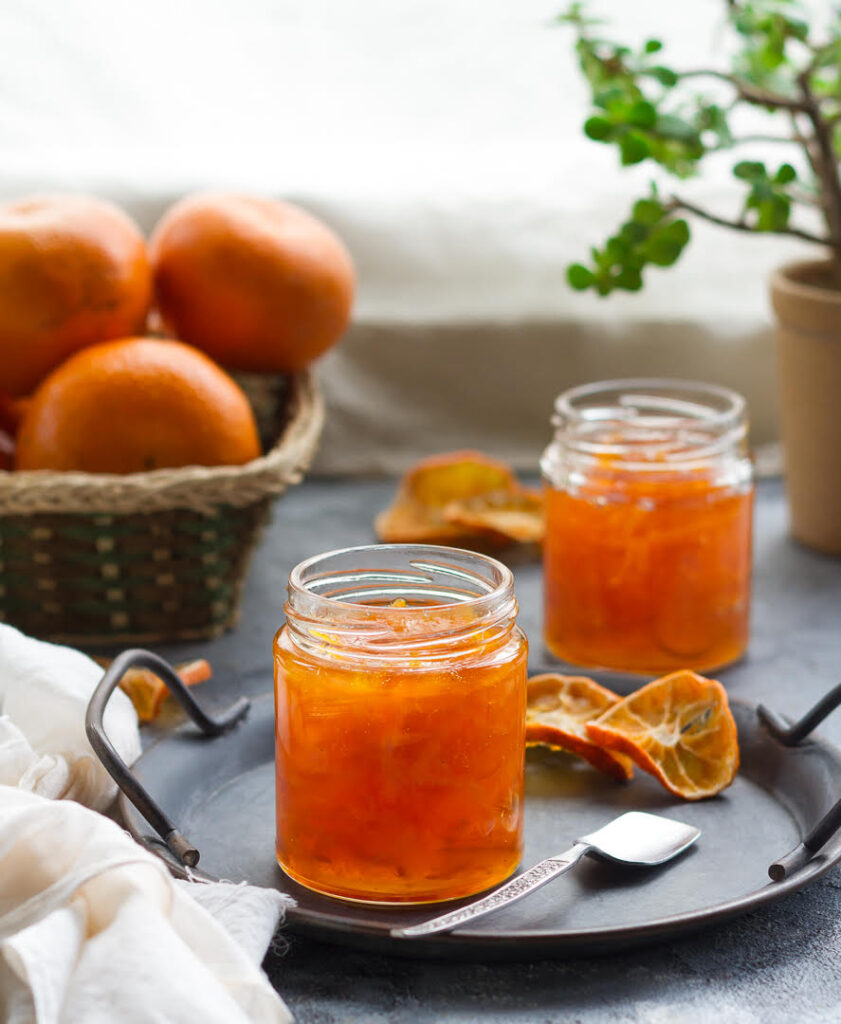
As the winter months approach, we’re told that eating citrus-based foods can have a positive impact on our mood. So, what better way to warm up than with a pot of homemade orange marmalade? In this article, we’ll explore the world of marmalade-making and show you how to create your own delicious and tangy orange marmalade using just a few simple ingredients.
A Brief History of Marmalade
Marmalade has been a staple in many cuisines for centuries, with its origins dating back to ancient Rome. The name “marmalade” is believed to come from the Portuguese word “marmelada,” which means “quince jam.” Over time, marmalade-making spread throughout Europe and beyond, with each region adding its own unique twist to the recipe.
Why Make Your Own Marmalade?
So, why make your own marmalade when you can buy it at the store? There are several reasons:
- Freshness: Homemade marmalade is always fresher than store-bought, with a more vibrant flavor and texture.
- Customization: With homemade marmalade, you can adjust the amount of sugar and spices to your liking.
- Cost-Effective: Making your own marmalade can be cost-effective in the long run, especially if you buy your ingredients in bulk.
Choosing the Right Oranges
When it comes to making orange marmalade, not all oranges are created equal. Look for navel or blood oranges, which have a sweeter and less acidic flavor profile than regular oranges.
Preparing Your Ingredients
To make our homemade orange marmalade recipe, you’ll need the following ingredients:
- 12-15 navel or blood oranges
- 1 lb (450g) granulated sugar
- Water (optional)
You can adjust the amount of sugar to your liking, and feel free to add other spices like cinnamon or cloves for extra flavor.
Making Your Orange Marmalade
Now that we have our ingredients ready, let’s get started!
- Peel and Segment: Peel the oranges using a zester or a sharp knife, then segment them into individual pieces.
- Create Scorched Peel: Cut the peel into thin strips and scorch it in boiling water for about 5 minutes to remove bitterness.
- Combine Fruits and Sugar: In a large saucepan, combine the orange segments, scorched peel, and granulated sugar. Add water if needed to cover everything.
Cooking Your Orange Marmalade
Once your mixture is combined, bring it to a boil over high heat, then reduce the heat to medium-low and simmer for about 20-25 minutes or until the marmalade reaches your desired consistency.
Sterilizing Your Jars
While your marmalade is cooking, prepare your jars by sterilizing them in boiling water. Remove any air bubbles and seal the jars tightly.
Filling and Sealing Your Jars
Once your marmalade has cooled slightly, pour it into the prepared jars, leaving about 1/4 inch (6 mm) of headspace. Seal the jars tightly and let them cool completely before storing in a cool, dark place.
Tips and Variations
- Add Spices: Try adding different spices like cinnamon, cloves, or nutmeg to give your marmalade an extra boost of flavor.
- Use Different Oranges: Experiment with other types of oranges, such as Cara Cara or Bergamot, for a unique twist on the classic recipe.
FAQs
Q: How do I know when my marmalade is ready?
A: Check your marmelada by placing a small amount on a plate and letting it cool to room temperature. If it’s set and doesn’t run, it’s ready!
Q: Can I use a candy thermometer?
A: Yes! A candy thermometer will help you achieve the perfect consistency for your marmalade.
Q: How long does homemade marmalade last?
A: Homemade marmelada can be stored in the fridge for up to 6 months or frozen for up to a year.
Additional Tips and Considerations
- Use the Right Equipment: Invest in a good-quality saucepan and jars to ensure your marmalade turns out perfectly.
- Don’t Overcook: Be careful not to overcook your marmalade, as this can cause it to become too thick or develop an unpleasant flavor.
- Experiment with Flavors: Try adding different ingredients to your marmalade, such as citrus zest or ginger, to create unique and delicious flavors.
Conclusion
Making homemade orange marmalade is a fun and rewarding process that can be enjoyed throughout the year. With its rich history, customizable recipe, and cost-effective nature, it’s no wonder why this classic condiment remains a favorite among cooks and foodies alike. By following our simple recipe and tips, you’ll be on your way to creating delicious homemade marmalade in no time.
Glossary
- Marmalade: A sweet and tangy preserve made from citrus fruits, typically oranges or lemons.
- Scorched Peel: The process of heating orange peel in boiling water to remove bitterness and create a fragrant flavor component.
- Granulated Sugar: A type of sugar that is commonly used in cooking and baking.
References
- “The Oxford Companion to American Food and Drink” by Andrew F. Smith
- “The Joy of Cooking” by Irma S. Rombauer


