
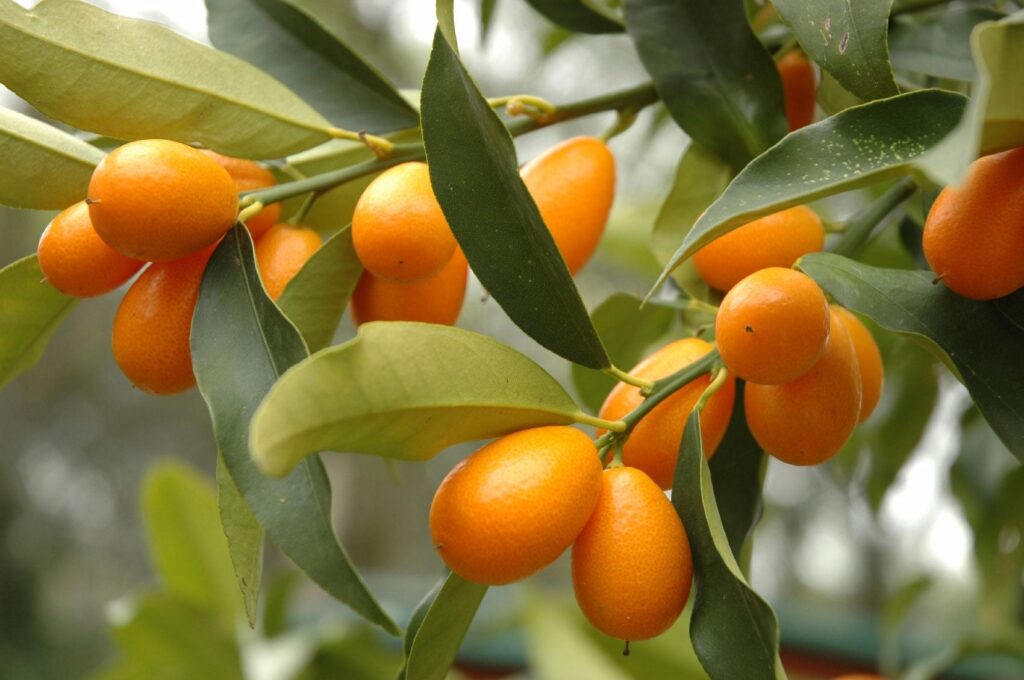
As an avid gardener, you’re probably eager to learn the art of growing kumquats. In this article, we’ll delve into the world of kumquats, exploring their history, characteristics, and care requirements.
What is a Kumquat?
A kumquat (Fortunella margarita or Fortunella japonica) is a type of citrus fruit native to Asia. It’s also known as a mandarin Chinese, although there is no such thing as a “mandarino giapponese.” The fruit has an oval or round shape, with a sweet and sour taste.
History of Kumquats
Kumquats have been cultivated for centuries in India, Japan, Taiwan, the Philippines, and other parts of Southeast Asia. They were introduced to Europe by Robert Fortune in 1846 from the London Horticultural Society. Today, kumquats are grown worldwide, with various varieties available.
Growing Kumquats: A Beginner’s Guide
Growing kumquats can be a rewarding experience, but it requires attention to detail and proper care. Here are some essential tips to get you started:
Choosing the Right Variety
There are two main types of kumquats: oval-shaped (Fortunella margarita) and round-shaped (Fortunella japonica). Oval-shaped kumquats are more sensitive to cold temperatures, while round-shaped ones are more resistant.
Soil and Climate Requirements
Kumquats prefer well-draining soil and full sun. They thrive in warm climates with mild winters. If you live in a cooler region, choose a variety that’s resistant to frost.
How to Grow Kumquats
To grow kumquats, start by purchasing healthy plants from a reputable nursery or online supplier. Here are some steps to follow:
Planting Kumquats
- Choose a container with good drainage and a size that matches the plant’s root system.
- Use a citrus-specific potting mix to prevent soil-borne diseases.
- Water the plant thoroughly after planting.
Caring for Kumquats
- Fertilize regularly with a balanced citrus fertilizer (10-10-10).
- Prune the plant annually to maintain its shape and promote fruiting.
- Monitor the plant for pests like coccinellids and aphids.
Where to Buy Kumquat Plants?
Kumquats are relatively easy to find in nurseries, garden centers, or online. Some popular suppliers include Amazon and other reputable horticultural websites.
Frequently Asked Questions
Here are some common questions people ask about growing kumquats:
- How often should I water my kumquat plant? Water your kumquat plant when the top inch of soil feels dry to the touch.
- Can I grow kumquats in containers? Yes, kumquats can thrive in containers as long as they have good drainage and a well-draining potting mix.
- How do I protect my kumquat plant from frost? If you live in an area with frost, protect your kumquat plant by covering it with a breathable cloth or bringing it indoors during the winter months.
- Can I eat kumquats raw? Yes, kumquats can be eaten raw and are a popular snack among fruit lovers.
Additional Resources
For more information on growing kumquats, check out our dedicated article on citrus cultivation:
How to Grow Citrus Trees from Seed
Best Ways to Prune Your Kumquat Tree for Optimal Fruiting
Conclusion
Growing kumquats can be a fun and rewarding experience, especially when you learn about the history, characteristics, and care requirements of this delicious citrus fruit. By following our guide, you’ll be well on your way to growing healthy and productive kumquat trees in no time!
Common Mistakes to Avoid
Here are some common mistakes gardeners make when growing kumquats:
- Not providing enough sunlight: Kumquats need at least six hours of direct sunlight per day.
- Inconsistent watering: Water your kumquat plant regularly, but avoid overwatering or underwatering.
- Not pruning the tree: Prune your kumquat tree annually to maintain its shape and promote fruiting.
Tips for Troubleshooting Common Issues
Here are some tips for troubleshooting common issues with growing kumquats:
- Yellow leaves: Check for pests, disease, or nutrient deficiencies.
- Slow growth: Increase the amount of sunlight and fertilize your kumquat tree regularly.
- Pests: Use insecticidal soap or neem oil to treat infestations.
Specialized Kumquat Care
Here are some specialized care tips for growing specific types of kumquats:
- Oval-shaped kumquats: Protect from frost and provide consistent moisture.
- Round-shaped kumquats: Provide a trellis or stake for support, as they can grow quite large.
Kumquat Pests
Here are some common pests that affect kumquat plants:
- Coccinellids: Use neem oil to treat infestations.
- Aphids: Use insecticidal soap to treat infestations.
- Whiteflies: Use yellow sticky traps or insecticidal soap to treat infestations.
Kumquat Diseases
Here are some common diseases that affect kumquat plants:
- Root rot: Check for overwatering and improve drainage.
- Leaf spot: Use fungicides to treat infestations.
- Bacterial canker: Remove infected branches and use bactericides to treat infestations.
Kumquat Harvest
Here are some tips for harvesting kumquats:
- Check for ripeness: Choose kumquats that are heavy for their size and have a sweet, sour taste.
- Pick regularly: Pick kumquats regularly to encourage the tree to produce more fruit.
Kumquat Storage
Here are some tips for storing kumquats:
- Cool and dry place: Store kumquats in a cool, dry place with minimal humidity.
- Refrigerate: Refrigerate kumquats for up to two weeks to extend their shelf life.
Conclusion
Growing kumquats can be a fun and rewarding experience, especially when you learn about the history, characteristics, and care requirements of this delicious citrus fruit. By following our guide, you’ll be well on your way to growing healthy and productive kumquat trees in no time!


