
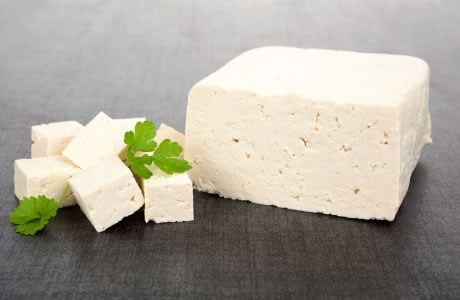
Tofu has become a staple in many cuisines around the world, particularly in East Asian cultures. The versatility of tofu lies in its ability to be marinated, baked, stir-fried, or boiled, making it an ideal ingredient for a variety of dishes. However, one crucial aspect of tofu preparation that is often overlooked is the use of Nigari, a special salt mixture that enhances the texture and consistency of tofu.
In this comprehensive guide, we will delve into the world of tofu with Nigari, exploring what Nigari is, how it works, its benefits, and alternatives. Whether you’re a seasoned tofu enthusiast or just starting to explore the world of tofu, this article aims to provide you with the knowledge and tools needed to take your tofu game to the next level.
Understanding the Basics of Tofu Preparation
Before diving into the world of tofu with Nigari, it’s essential to understand how tofu is prepared. The process involves three stages: preparing soy milk, coagulating soy milk, and pressing and straining the curds to obtain tofu.
To make tofu at home, you need to start by preparing soy milk using grain mashing, filtration, boiling, coagulation, and pressing with muslin cloth. During the coagulation stage, special ingredients like Nigari can be added to achieve a very dense tofu.
What is Nigari?
Nigari, also known as Lushui, is a mixture of salts that interacts with soy protein to form a coagulated mixture capable of giving tofu a more decided consistency. In reality, it’s just a simple mixture of magnesium chloride and calcium chloride.
The Composition of Nigari
In Japan, Nigari is a white powder mainly consisting of seawater magnesium chloride. Depending on production, this salt mixture may contain small amounts of magnesite (magnesium sulfate), calcium chloride, potassium chloride, and other natural salts.
How Nigari Works
Coagulation can be aided by salts dissolved in water, which interact with soy protein to produce a dense precipitate called curds. Although the term “Nigari” comes from the Japanese word “nigai,” meaning “bitter,” Nigari does not give tofu any flavor and doesn’t alter its taste but determines its consistency.
The Benefits of Using Nigari
Nigari, even if it’s not decisive in affecting the taste of tofu, adds valuable micronutrients such as Magnesium and Calcium to tofu composition. This makes Nigari a popular choice among tofu enthusiasts and chefs.
Alternatives to Nigari
Some companies that produce tofu use enzymes like papain or protease instead of Nigari. Papain is used as a gelling agent for instant tofu production. However, at home, you can make tofu using the recipe for soft tofu without Nigari or take advantage of this salt mixture to get a more consistent tofu.
How to Substitute Nigari
If you’re having trouble finding Nigari or prefer not to use it, there are alternatives available. You can try using enzymes like papain or protease, but keep in mind that the taste and texture may be different.
Where to Find Nigari
Nigari is not difficult to find, and you can purchase it from specialty food stores selling ingredients or online on Amazon. On Amazon, a natural Nigari produced in Japan is available for purchase at 7.31 euros with included shipping costs.
Recipe for Tofu Without Nigari
If you’re interested in trying your hand at making tofu without Nigari, we have a recipe available on our page that uses the properties of the suspension formed during boiling soy milk to create a delicious and consistent tofu.
Benefits of Using Natural Nigari Produced in Japan
When choosing a natural Nigari produced in Japan, consider the following benefits:
- High-quality ingredients: Japanese producers use high-quality seawater magnesium chloride to produce their Nigari.
- Unique flavor profile: Natural Nigari has a unique flavor profile that is often described as slightly sweet and salty.
- Rich nutritional content: Natural Nigari is rich in micronutrients such as Magnesium, Calcium, and Potassium.
Tips for Using Nigari
Here are some tips to keep in mind when using Nigari:
- Start with a small amount: Begin by adding a small amount of Nigari to your tofu mixture and adjust to taste.
- Experiment with different ratios: Adjust the ratio of Nigari to soy milk to achieve the desired consistency.
- Store Nigari properly: Keep Nigari in an airtight container in a cool, dry place.
Common Mistakes When Using Nigari
When using Nigari, it’s essential to avoid common mistakes that can affect the quality of your tofu. Here are some tips:
- Don’t overuse Nigari: Adding too much Nigari can result in an overly dense and chewy tofu.
- Avoid contamination: Keep your equipment and workspace clean and sanitized to prevent contamination.
Conclusion
In conclusion, Nigari is a simple yet effective coagulant agent that can add valuable micronutrients to tofu composition. While it may not be necessary for making soft tofu, it can help achieve a more decided consistency in dense tofu. With this guide, you’re now equipped with the knowledge and tools needed to start experimenting with Nigari and take your tofu game to the next level.
Frequently Asked Questions
- What is Nigari?
Nigari is a mixture of salts that interacts with soy protein to form a coagulated mixture capable of giving tofu a more decided consistency. - Is Nigari necessary for making tofu?
No, Nigari is not necessary for making soft tofu, but it can help achieve a more consistent texture in dense tofu. - Where can I find Nigari?
Nigari can be found at specialty food stores selling ingredients or online on Amazon. - Can I use enzymes instead of Nigari?
Yes, some companies use enzymes like papain or protease instead of Nigari, but the taste and texture may be different. - What are the benefits of using Nigari?
Nigari adds valuable micronutrients such as Magnesium and Calcium to tofu composition, making it a popular choice among tofu enthusiasts and chefs. - How much does Nigari cost?
The price of Nigari can vary depending on the brand and quality, but it’s generally available for purchase at a reasonable price on Amazon. - Can I make tofu without Nigari?
Yes, you can make tofu using the recipe for soft tofu or take advantage of this salt mixture to get a more consistent tofu. - What is Lushui?
Lushui is another name for Nigari, which refers to the Japanese word “nigai,” meaning “bitter.”
By following this guide and experimenting with Nigari, you can unlock new possibilities in your tofu-making journey. Remember to always use high-quality ingredients and follow proper techniques to achieve the best results. Happy cooking!


