
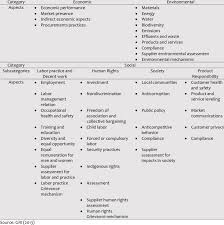
As the world grapples with the challenges of climate change, environmental degradation, and social inequality, organizations are under increasing pressure to demonstrate their commitment to sustainability. One way to do this is through sustainability reporting, a process that involves measuring, communicating, and disclosing an organization’s economic, social, and environmental performance.
What is Sustainability Reporting?
Sustainability reporting, also known as corporate social responsibility (CSR) reporting or triple bottom line (TBL) reporting, is the practice of publicly disclosing an organization’s progress towards achieving its sustainability goals. This can include information on an organization’s financial performance, as well as its environmental and social impact.
Why is Sustainability Reporting Important?
Sustainability reporting is important for several reasons:
- Transparency and accountability: Sustainability reporting provides stakeholders with a clear understanding of an organization’s commitment to sustainability and its progress towards achieving its goals.
- Improved decision-making: By providing information on an organization’s environmental, social, and economic performance, sustainability reporting enables organizations to make informed decisions about their operations and resource allocation.
- Enhanced reputation and brand value: Sustainability reporting demonstrates an organization’s commitment to sustainability and can enhance its reputation and brand value among stakeholders.
Types of Sustainability Reporting
There are several types of sustainability reporting frameworks that organizations can use to guide their reporting. Some of the most common include:
- Global Reporting Initiative (GRI): A global standard for sustainability reporting that provides a framework for organizations to report on their environmental, social, and economic performance.
- Climate Disclosure Standards Board (CDSB): A voluntary standard for climate-related reporting that requires organizations to disclose information about their greenhouse gas emissions and other climate-related risks.
- Sustainability Accounting Standards Board (SASB): A framework for sustainability accounting that provides a set of standards for reporting on an organization’s environmental, social, and governance performance.
Benefits of Sustainability Reporting
The benefits of sustainability reporting include:
- Improved transparency and accountability: Sustainability reporting provides stakeholders with a clear understanding of an organization’s commitment to sustainability and its progress towards achieving its goals.
- Enhanced reputation and brand value: Sustainability reporting demonstrates an organization’s commitment to sustainability and can enhance its reputation and brand value among stakeholders.
- Better decision-making and resource allocation: By providing information on an organization’s environmental, social, and economic performance, sustainability reporting enables organizations to make informed decisions about their operations and resource allocation.
Challenges of Sustainability Reporting
Despite its many benefits, sustainability reporting also presents several challenges, including:
- Lack of standardization and consistency in reporting practices: Different frameworks and standards can lead to inconsistencies in reporting practices, making it difficult for stakeholders to compare an organization’s performance.
- Limited understanding and awareness of sustainability issues among stakeholders: Stakeholders may not fully understand the importance of sustainability or how an organization is addressing sustainability challenges, which can limit their engagement with sustainability reporting.
- Difficulty in measuring and disclosing non-financial performance metrics: Sustainability reporting requires organizations to measure and disclose information on environmental, social, and governance performance metrics, which can be challenging to develop and maintain.
Best Practices for Sustainability Reporting
To overcome these challenges, organizations can follow best practices such as:
- Using a standardized framework or standard to guide their reporting: Organizations should choose a framework or standard that aligns with their sustainability goals and values.
- Providing clear and concise information about their environmental, social, and economic performance: Sustainability reporting should provide stakeholders with easy-to-understand information on an organization’s sustainability performance.
- Disclosing data in a transparent and accountable manner: Organizations should ensure that their sustainability reporting is accurate, complete, and transparent, and that it provides stakeholders with the information they need to make informed decisions.
Measuring Impact
To fully measure impact, organizations can use a range of metrics and indicators, including:
- Environmental metrics: These include greenhouse gas emissions, water usage, energy consumption, waste generation, and other environmental performance metrics.
- Social metrics: These include employment practices, human rights, community engagement, and other social performance metrics.
- Economic metrics: These include revenue growth, cost savings, return on investment (ROI), and other economic performance metrics.
Reporting Tools and Resources
There are a range of reporting tools and resources available to support sustainability reporting, including:
- GRI Reporting Tool: A free online tool that helps organizations prepare their GRI reports.
- SASB Disclosure Guidance: A set of guidelines for disclosing sustainability information under the SASB framework.
- CDSB Climate Disclosure Standards: A set of standards for climate-related reporting.
Conclusion
Sustainability reporting is a critical component of an organization’s commitment to sustainability. By providing stakeholders with clear and concise information on an organization’s environmental, social, and economic performance, sustainability reporting enables organizations to demonstrate their value proposition and enhance their reputation and brand value. By following best practices such as using standardized frameworks or standards, providing clear and concise information, and disclosing data in a transparent and accountable manner, organizations can effectively communicate their commitment to sustainability and measure impact.


