
Introduction
In the realm of architecture and design, there exist wonders that have captivated human imagination for centuries. One such marvel is the hanging garden, a testament to human ingenuity and creativity. From ancient civilizations to modern-day innovations, the concept of vertical gardening has evolved, inspiring architects, designers, and engineers to push the boundaries of what is possible.
What are Hanging Gardens?
Hanging gardens are structures that defy gravity, allowing plants and flowers to thrive in mid-air. These green spaces can be found on rooftops, walls, or even over waterways, providing a unique blend of aesthetics and functionality. The concept of hanging gardens has been around for millennia, with the ancient Babylonians credited with creating some of the first examples.
The History of Hanging Gardens
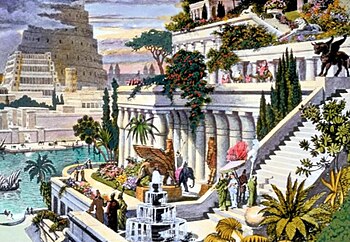
The Hanging Gardens of Babylon, one of the Seven Wonders of the Ancient World, are said to have been built around 590 BCE by King Nebuchadnezzar II. While their exact location is still debated, it is believed that they were constructed near modern-day Baghdad, Iraq. The gardens were designed to provide a tranquil oasis in the midst of a bustling city, with intricate irrigation systems and lush vegetation.
Green Spaces on Buildings
In today’s urban landscape, green spaces are increasingly being integrated into building design. Rooftop gardens, also known as “living walls,” have become a popular choice for architects and developers. These structures not only provide insulation and reduce energy consumption but also offer a peaceful retreat for occupants. The possibilities for green space creation are endless, from small balconies to entire city blocks.
Sustainable Design
As concern for the environment grows, sustainable design has become increasingly important. Hanging gardens can play a crucial role in mitigating the urban heat island effect, reducing stormwater runoff, and improving air quality. By incorporating plants that absorb carbon dioxide and produce oxygen, these green spaces can contribute to a healthier ecosystem.
Modern Innovations
In recent years, advancements in technology have led to innovative solutions for vertical gardening. The use of hydroponics, aeroponics, and living walls has enabled the creation of large-scale green spaces even in areas with limited space or resources. The development of self-sustaining ecosystems also allows for greater autonomy and reduced maintenance.
Aeroporti e Giardini Pensili
The concept of hanging gardens is being reimagined in modern infrastructure projects, such as airport design. Jewel Changi Airport in Singapore is a prime example, featuring extensive green spaces, including a 14,000-square-meter canopy park with walking paths and interactive exhibits. This futuristic design combines sustainability with innovative technology to create a unique travel experience.
Fioriere e Cripte Rasponi
For gardeners, the creation of vertical gardens requires careful planning and selection of plants that thrive in challenging conditions. Fioriere (pots) can be used to support climbing plants, while cripte (tunnels) provide protection from harsh weather conditions. The historic Cripta Rasponi in Ravenna, Italy, features a beautiful example of hanging garden design.
Designing Hanging Gardens
When designing a hanging garden, several factors must be considered. Firstly, the structure itself must be sturdy enough to support the weight of plants and soil. This can be achieved using materials such as steel, concrete, or wood. Secondly, the irrigation system must be efficient and effective in delivering water to each plant. Lastly, the selection of plants must take into account factors such as light exposure, temperature, and humidity.
Choosing the Right Plants
When selecting plants for a hanging garden, it’s essential to consider their specific needs and requirements. Some plants, such as succulents and cacti, are well-suited to dry conditions, while others, like ferns and ivy, prefer moist environments. Researching local climate conditions, light exposure, and soil requirements will ensure that your chosen plants thrive in their mid-air environment.
Therapeutic Benefits
Hanging gardens can provide a peaceful retreat from stress, promoting relaxation and well-being. The calming effect of nature has been shown to lower blood pressure, improve mood, and reduce anxiety levels. In addition, the sensory experience of walking among lush greenery can be meditative, fostering a sense of connection to the natural world.
Examples of Hanging Gardens
Throughout history, hanging gardens have been featured in various architectural designs, from ancient ruins to modern skyscrapers. Some notable examples include:
- The Hanging Gardens of Babylon
- The gardens at Versailles Palace, France
- The rooftop garden at the Burj Khalifa, Dubai
- The living walls of the Singapore National Gallery
Challenges and Limitations
While hanging gardens offer numerous benefits, they also present several challenges. These can include limited space, high maintenance costs, and the need for specialized equipment or training. Additionally, the weight of plants and soil can put pressure on structural elements, requiring careful design and planning to ensure stability.
Conclusion
The Hanging Gardens of Babylon may have inspired some of the world’s most iconic structures, but their influence extends far beyond ancient architecture. As we continue to urbanize and seek innovative solutions for sustainable living, the concept of vertical gardening will remain a beacon of creativity and ingenuity.
Frequently Asked Questions
- What are the benefits of hanging gardens?
Hanging gardens provide numerous benefits, including reducing energy consumption, improving air quality, and mitigating the urban heat island effect. - Can I create my own hanging garden at home?
Yes! With proper planning and selection of plants, you can create a thriving hanging garden on your balcony or rooftop. - How do I choose the right plants for my hanging garden?
Research local climate conditions, light exposure, and soil requirements to select plants that thrive in challenging environments. - Can hanging gardens be used as therapeutic spaces?
Yes! Hanging gardens can provide a peaceful retreat from stress, promoting relaxation and well-being. - What are some examples of modern infrastructure projects incorporating green spaces?
Examples include airports like Jewel Changi Airport, rooftop gardens, and urban parks designed to promote sustainability. - How do I maintain my hanging garden?
Regular watering, pruning, and fertilization will ensure your plants thrive in their mid-air environment. - Can vertical gardening be used for food production?
Yes! Hydroponics, aeroponics, and living walls can be used to grow a variety of crops, including fruits, vegetables, and herbs. - What are some challenges associated with creating hanging gardens?
Challenges may include limited space, high maintenance costs, and the need for specialized equipment or training.
Sources:
- “The Seven Wonders of the Ancient World” by Herodotus
- “Hanging Gardens of Babylon” by Encyclopædia Britannica
- “Rooftop Gardens” by The Spruce
- “Living Walls” by Green Roofs for Healthy Cities


