
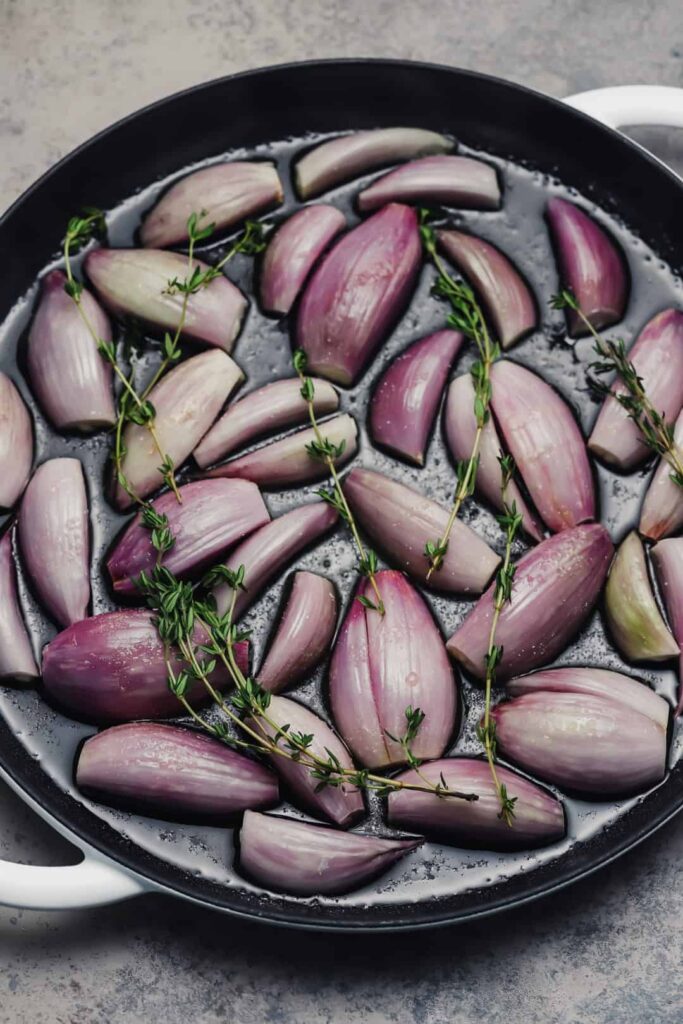
What is Scallion?
Scallion, also known as green onion or spring onion, is a type of allium vegetable that belongs to the same family as garlic and onions. It has a milder flavor than regular onions and is often used in cooking for its aromatic properties.
In many parts of the world, scallions are considered a staple ingredient in various cuisines. Whether you’re using them in soups, salads, or as a garnish, scallion adds a touch of sweetness and aroma to any meal. Its versatility and nutritional benefits have made it a popular choice among chefs and home cooks alike.
The Difference between Scallion and Onion
While both scallion and onion are members of the Allium family, they have some key differences. Scallion bulbs have a more delicate and slightly sweet flavor profile compared to the pungent taste of regular onions. Additionally, scallions tend to lose their flavor faster than onions when stored for extended periods.
To understand these differences, it’s essential to examine the characteristics of each type of onion. Regular onions, also known as yellow onions, have a stronger, more pungent flavor and are often used in cooking where a bold taste is desired. In contrast, scallions are often used as a garnish or added towards the end of cooking to preserve their delicate flavor.
Using Scallion in Cooking
Scallion can be used fresh or cooked from the previous harvest. When using fresh scallion, it’s essential to handle it gently to avoid bruising the delicate leaves. Unlike onions, scallions should not be washed under running water as this may remove their natural flavor.
One of the most popular ways to use scallion is in salads. Simply chop the scallions finely and add them to your favorite salad recipe. The sweetness of the scallions pairs well with a variety of ingredients such as citrus, nuts, or seeds. You can also use scallions as a topping for soups, pizzas, or other dishes where you want to add a burst of flavor.
How to Choose the Right Scallion
When purchasing scallion, choose ones with firm and green leaves that are free of browning or soft spots. Make sure to wash them gently before using. It’s also essential to store scallions properly to preserve their natural flavor and texture.
To store scallions, cut off the base of the stem and place it in an airtight container filled with water. This will help keep the scallion fresh for longer periods. You can also wrap the scallions in plastic wrap or aluminum foil and refrigerate them.
Scallion in Different Recipes
Scallion can be used in various dishes, from soups to salads. Here are some popular recipes that showcase the flavor of scallion:
- Caramelized Scallion: A sweet and savory dish made by caramelizing scallions with sugar and water.
- Scallion Soup: A hearty soup made with scallions, potatoes, carrots, and vegetables.
- Scallion Pancakes: Thin pancakes made from scallions, flour, and water.
These recipes highlight the versatility of scallion and its ability to add flavor to various dishes. Whether you’re using it in soups, salads, or as a garnish, scallion adds a touch of sweetness and aroma to any meal.
Nutritional Benefits of Scallion
Scallion is a nutrient-rich food that offers various health benefits. Here are some of the key nutrients found in scallion:
- Vitamins C and K: Essential vitamins for immune function and blood clotting.
- Fiber: Helps regulate digestion and prevent constipation.
- Antioxidants: Protects against oxidative stress and inflammation.
The nutritional benefits of scallion make it a popular choice among health-conscious individuals. Whether you’re using it in soups, salads, or as a garnish, scallion adds flavor and nutrition to any meal.
Conclusion
Scallion is a versatile ingredient that can elevate the flavor of various dishes. Whether you’re using it in soups, salads, or as a garnish, scallion adds a touch of sweetness and aroma to any meal. With its nutritional benefits and ease of preparation, it’s no wonder scallion has become a staple in many cuisines around the world.
Frequently Asked Questions
- What is the difference between scallion and onion?
Scallion bulbs have a more delicate flavor profile compared to regular onions. - How should I handle scallion to avoid losing its flavor?
Handle scallion gently and store it in an airtight container to preserve its natural flavor. - Can I use scallion in place of onion in all recipes?
Scallion has a milder flavor than onions, so adjust the amount used according to your recipe. - Are scallions high in calories or fat?
No, scallions are low in calories and fat, making them an excellent addition to any meal. -
Can I use scallion in place of garlic in recipes?
Scallion has a milder flavor than garlic, so adjust the amount used according to your recipe. -
How can I preserve scallion for longer periods?
Store scallions properly and refrigerate them to prevent spoilage. -
Can scallions be grown at home?
Yes, scallions are easy to grow indoors or outdoors, making them a great addition to your garden. -
Are there any health benefits associated with consuming scallion?
Scallion is rich in vitamins C and K, fiber, and antioxidants, which provide various health benefits.
By understanding the characteristics of scallion, its versatility in cooking, and its nutritional benefits, you can unlock the full potential of this delicious ingredient. Whether you’re using it in soups, salads, or as a garnish, scallion adds flavor and nutrition to any meal.


