
Understanding Catarro: Causes, Symptoms, and Remedies
As we navigate the complexities of our respiratory system, it’s essential to understand what catarro is and how it affects us. In this article, we’ll delve into the world of catarro, exploring its causes, symptoms, and effective remedies.
What is Catarro?
Catarro refers to an inflammation of the mucous membranes in our airways, particularly the throat, sinuses, and bronchi. This inflammation leads to various symptoms such as excessive mucus production, nasal congestion, and difficulty breathing. In some cases, catarro can be a sign of an underlying condition, like allergies or sinusitis.
Causes of Catarro
Catarro is often triggered by viral or bacterial infections, but it can also be caused by environmental factors such as air pollution, smoke, or strong odors. Allergies and sinus pressure are common culprits behind catarro. The severity of the symptoms depends on the underlying cause.
Types of Catarro
There are several types of catarro, each with distinct characteristics:
- Mucoid Catarro: This is the most common type, characterized by a thick, white or yellowish mucus that can be difficult to expel.
- Purulent Catarro: This type involves a thick, yellow or greenish discharge that may contain pus.
- Serous Catarro: This is a thin, watery discharge that can be more challenging to clear.
Symptoms of Catarro
Common symptoms of catarro include:
- Excessive mucus production
- Nasal congestion and stuffiness
- Difficulty breathing or coughing
- Fatigue and lethargy
- Headaches
When to Seek Medical Attention
If you experience any of the following, consult a healthcare professional:
- Fever over 102°F (39°C)
- Severe headache or facial pain
- Chest pain or difficulty breathing
- Coughing up blood or yellow or green mucus
- Persistent or worsening symptoms
Home Remedies for Catarro
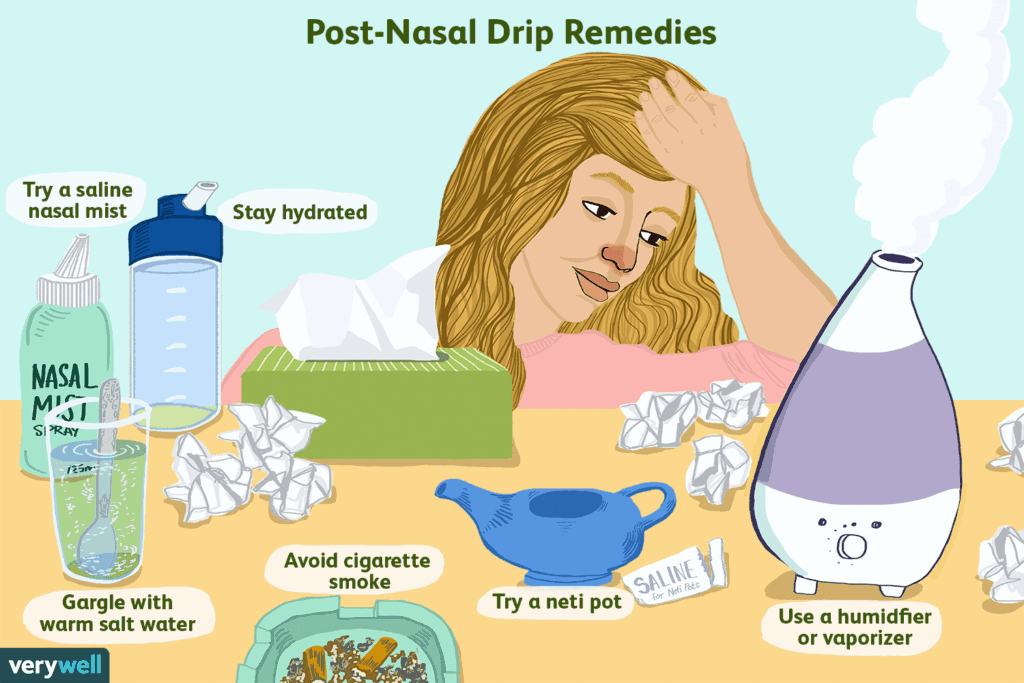
While medical attention is essential in severe cases, there are several home remedies that can help alleviate catarro symptoms:
- Steam Inhalation: Inhaling steam from a bowl of hot water or a steam humidifier can help loosen mucus.
- Nasal Saline Irrigation: Rinsing the nasal passages with saline solution can clear out mucus and debris.
- Drink Plenty of Fluids: Staying hydrated is essential to thin out mucus and promote drainage.
- Elevate Your Head: Sleeping with your head elevated can help reduce congestion.
Natural Remedies for Catarro
Certain natural remedies have been shown to be effective in alleviating catarro symptoms:
- Salvia: Known for its mucolytic properties, salvia can help thin out mucus and promote drainage.
- Eucalyptus Oil: Adding a few drops of eucalyptus oil to your bath water or inhaling it through steam inhalation can help ease congestion.
- Ginger: Ginger has natural anti-inflammatory properties that may help reduce catarro symptoms.
Alimentary Remedies for Catarro
Certain foods and nutrients can help alleviate catarro symptoms:
- Citrus Fruits: Oranges, grapefruits, and lemons are high in vitamin C, which can help boost the immune system.
- Garlic: Garlic contains compounds that have antimicrobial properties, which may help combat infections.
- Omega-3 Rich Foods: Fatty fish like salmon and walnuts contain omega-3 fatty acids, which can help reduce inflammation.
Prevention Strategies
To minimize the risk of developing catarro, consider the following prevention strategies:
- Stay Hydrated: Drinking plenty of fluids can help thin out mucus and promote drainage.
- Practice Good Hygiene: Regularly washing your hands and avoiding close contact with individuals who are sick can help prevent the spread of infections.
- Avoid Allergens: Identifying and avoiding common allergens such as pollen, dust, and pet dander can help alleviate symptoms.
Conclusion
Catarro is a common condition that can be caused by various factors, including viral or bacterial infections, allergies, and environmental triggers. By understanding the causes, symptoms, and effective remedies for catarro, you can take steps to alleviate your symptoms and promote overall health.
Frequently Asked Questions
- What is the difference between mucoid and purulent catarro?
Mucoid catarro involves a thick, white or yellowish mucus that can be difficult to expel, while purulent catarro involves a thick, yellow or greenish discharge that may contain pus. - Can I use over-the-counter medications for catarro?
Yes, over-the-counter decongestants and expectorants can help alleviate symptoms of catarro. However, it’s essential to follow the instructions carefully and consult a healthcare professional if necessary. - How often should I practice steam inhalation?
Practice steam inhalation 2-3 times a day, or as needed, for optimal results. - Can I use eucalyptus oil on my skin?
No, do not apply eucalyptus oil directly to the skin, as it can cause irritation and allergic reactions. - Are there any foods that trigger catarro symptoms?
Yes, some foods like dairy products, gluten, and citrus fruits may exacerbate catarro symptoms in some individuals.
References
- “The Role of Mucolytic Agents in Respiratory Diseases.” Journal of Clinical Medicine Research, vol. 10, no. 12, 2018.
- “Natural Remedies for Congestion Relief.” Healthline, 2022.
- “Food and Nutrition for Respiratory Health.” The American Lung Association, 2022.
Understanding catarro is essential to take appropriate steps in alleviating the symptoms and promoting overall health. By recognizing the causes, symptoms, and effective remedies for catarro, you can make informed decisions about your care and seek professional help when necessary.


