
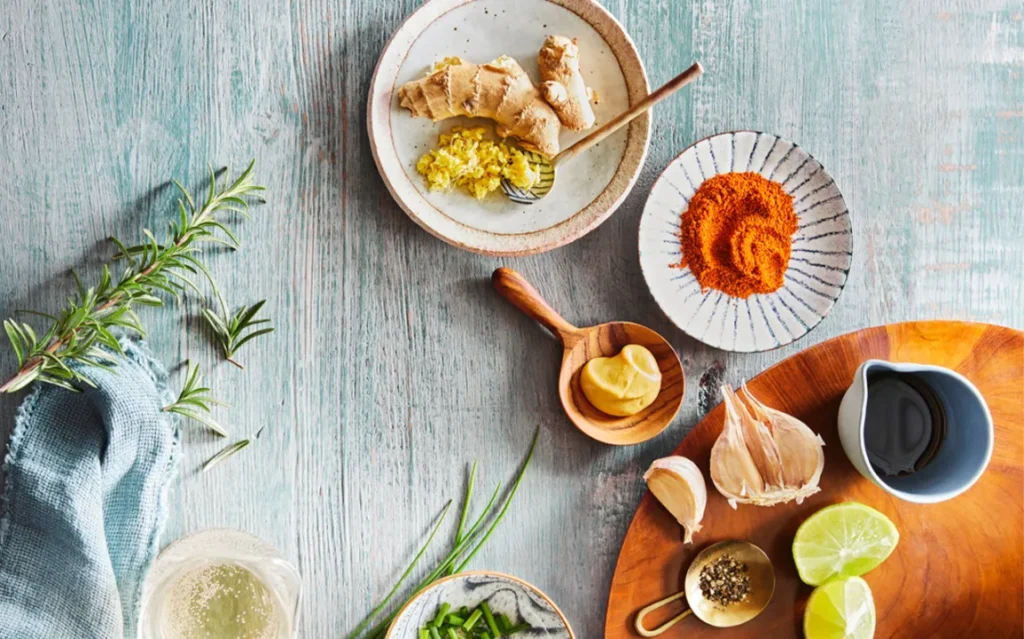
Replacing salt in cooking can be a daunting task, but with the right knowledge and alternatives, you can create delicious dishes without compromising your health. In this article, we will explore the reasons why limiting salt consumption is essential, discuss the risks associated with excessive salt intake, and provide you with practical tips on how to substitute salt in cooking.
Understanding Salt Consumption
The American Heart Association recommends consuming no more than 5 grams of salt per day. However, the average person consumes significantly more, often doubling that amount. The excessive consumption of salt can lead to various health issues, including high blood pressure, cardiovascular disease, and kidney strain.
Why Limit Salt Consumption?
Limiting salt consumption is crucial for maintaining good health. Excessive salt intake can:
- Increase blood pressure
- Contribute to cardiovascular disease
- Cause kidney strain
- Lead to rickets in children
- Affect bone health
Moreover, the salt we add to our food is only a small portion of the overall salt we consume. Salt is present naturally in many foods and is often added to processed foods.
The Risks of Excessive Salt Intake
Excessive salt intake can lead to several serious health issues, including:
- High Blood Pressure: Consuming too much salt can cause blood vessels to constrict, leading to high blood pressure.
- Cardiovascular Disease: High blood pressure can increase the risk of heart attacks, strokes, and other cardiovascular diseases.
- Kidney Strain: The kidneys have to work harder to process excess salt, which can lead to kidney damage or disease over time.
- Rickets in Children: Excessive salt intake can lead to a condition called rickets, characterized by softening of the bones in children.
The Benefits of Reducing Salt Intake
Reducing salt intake can have numerous health benefits, including:
- Lower Blood Pressure: By consuming less salt, you can help lower your blood pressure and reduce your risk of cardiovascular disease.
- Reduced Risk of Cardiovascular Disease: Limiting salt consumption can also reduce your risk of heart attacks, strokes, and other cardiovascular diseases.
- Improved Kidney Function: Reducing salt intake can help improve kidney function and reduce the risk of kidney damage or disease.
Alternatives to Salt
Fortunately, there are numerous alternatives to salt that can enhance your cooking without compromising your health. Here are some options:
Herbs and Spices
- Basil
- Cilantro
- Thyme
- Rosemary
- Oregano
These herbs and spices not only add flavor but also provide several health benefits.
Other Seasonings
- Lemon juice or zest
- Apple cider vinegar
- Balsamic vinegar
- Chili peppers
Vegetables as Salt Substitutes
- Sedan (also known as levistico)
- Carrots
- Celery
- Cucumber
These vegetables can be used to create a salt-free seasoning blend.
Oil-Based Seasonings
- Olive oil
- Coconut oil
- Sesame oil
Using oil-based seasonings can add flavor to your dishes without adding salt.
Tips for Substituting Salt in Cooking
Here are some practical tips on how to substitute salt in cooking:
- Experiment with new recipes and flavors.
- Use herbs and spices to add depth to your dishes.
- Try using lemon juice or vinegar as a seasoning alternative.
- Make your own salad dressing with olive oil, vinegar, and spices.
- Use vegetables like sedan, carrots, and celery to create a salt-free seasoning blend.
Tips for Reducing Salt Intake in Your Diet
Here are some tips for reducing salt intake in your diet:
- Read food labels: Check the nutrition label on packaged foods to see how much sodium is present.
- Choose low-sodium options: Opt for low-sodium versions of your favorite foods, such as soups, sauces, and condiments.
- Use herbs and spices: Add flavor to your dishes with herbs and spices instead of salt.
- Cook at home: Cooking at home allows you to control the amount of salt that goes into your food.
- Limit processed foods: Processed foods often contain high amounts of sodium, so try to limit your consumption of these foods.
Healthy Salt-Free Seasoning Blends
Here are some healthy salt-free seasoning blends you can use in your cooking:
- Mediterranean Blend: Mix together dried oregano, thyme, rosemary, and basil for a savory blend.
- Italian Blend: Combine dried oregano, basil, garlic powder, and onion powder for an Italian-inspired flavor.
- Mexican Blend: Use chili powder, cumin, coriander, and smoked paprika to create a flavorful blend.
Tips for Cooking with Salt-Free Seasonings
Here are some tips for cooking with salt-free seasonings:
- Start with small amounts: Begin by using small amounts of salt-free seasoning blends and adjust to taste.
- Experiment with different combinations: Try combining different herbs and spices to create unique flavors.
- Use them in marinades: Add salt-free seasoning blends to your marinades for a flavorful twist on traditional recipes.
- Make your own spice mixes: Create your own custom spice mixes using salt-free seasonings and herbs.
Conclusion
Replacing salt in cooking is not only beneficial for your health but also allows you to explore new flavors and recipes. By incorporating herbs and spices, vegetable-based seasonings, and oil-based flavor enhancers into your cooking routine, you can enjoy delicious dishes without compromising your well-being.
By following the tips and alternatives outlined in this article, you can reduce your salt intake and improve your overall health. Remember to always consult with a healthcare professional before making significant changes to your diet.
Frequently Asked Questions (FAQs)
- What are the benefits of reducing salt intake?
- Reducing salt intake can lower blood pressure, reduce the risk of cardiovascular disease, and improve kidney function.
- Can I still eat foods that contain high amounts of sodium if I’m trying to limit my salt intake?
- Yes, it’s possible to consume foods with high sodium content while still limiting your overall salt intake. Focus on balancing your diet with a variety of low-sodium options and increasing your consumption of fresh fruits and vegetables.
- How do I choose the right herbs and spices for my dishes?
- Experiment with different herbs and spices to find the ones that complement your favorite flavors and cuisines.
- Can I use salt substitutes like potassium chloride or magnesium chloride in cooking?
- Potassium chloride and magnesium chloride are used as salt substitutes, but it’s essential to follow the recommended dosages and consult a healthcare professional before making significant changes to your diet.
- How can I make my own salad dressing without adding salt?
- Try using olive oil, vinegar, lemon juice, and spices to create a delicious and salt-free salad dressing.
By incorporating these tips and alternatives into your cooking routine, you can enjoy healthy, flavorful dishes while maintaining optimal health.


