
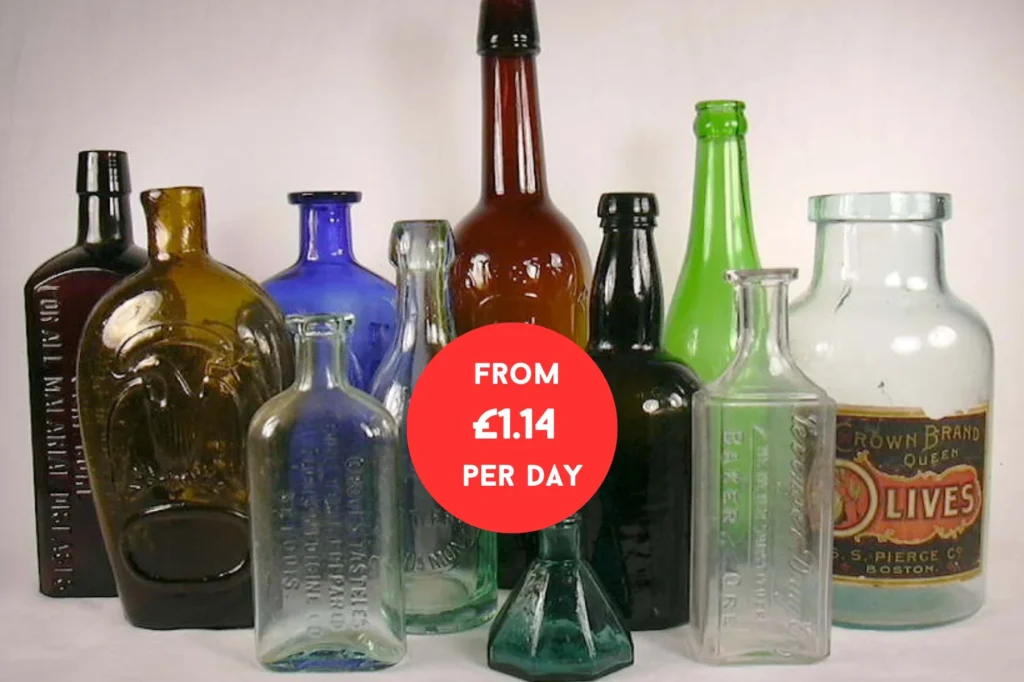
Glass recycling is on the rise in Italy, with a +3.5% increase in collected glass over the past year. In 2015, a total of 1.825 million tons of glass were collected. The CoReVe, Consorzio di Recupero del Vetro, reminds us that recycling glass can be a form of indirect profit already in terms of energy and resources invested: “Through glass recycling, we have saved the extraction of traditional raw materials for approximately 3,050,000 tons, equivalent to half the volume of the Colosseum of Rome.” With collected glass in Italy, we’ve managed to save energy “equivalent to around 318 million cubic meters of gas methane, the average annual consumption of gas in a city like Genoa,” while reducing harmful emissions by “1,875,000 tons of CO2, equivalent to those from over 6,000 flights between Milan and Rome.” A significant win for the environment and our planet’s resources.
The Benefits of Glass Recycling
Glass recycling is not only beneficial for the environment but also provides a range of economic benefits. By reusing glass, we reduce the need for raw materials extraction, which in turn reduces greenhouse gas emissions. The production process for new glass requires significant amounts of energy, with estimates suggesting that it takes around 1.2 kilograms of coal to produce one kilogram of glass. In contrast, recycling glass requires only about 0.25 kilograms of coal.
Another advantage of glass recycling is its potential to generate revenue through the sale of recycled glass. This can be particularly important for individuals or businesses involved in waste management and recycling, as it provides an additional income stream.
Can You Really Make Money from Recycling Glass?
The answer to this question depends on various factors, including the type of glass being collected, its purity, and intended use. Aluminum and iron are generally more valuable than glass itself, while PET plastic can also fetch a decent price.
In Switzerland, prices for used glass have remained stable between 18 and 40 euros per ton. While this may seem like a small amount compared to other materials, it’s still worth noting that glass recycling can be an attractive option for individuals or businesses looking to generate revenue from waste.
Challenges in Glass Recycling
Despite the benefits of glass recycling, there are several challenges facing the industry. One major issue is color sorting difficulties. Only clear or brown glass is sought after for recycling; colored glass goes to industries producing building materials like cement.
Another challenge is high transportation costs. The weight and bulk of glass make it expensive to transport, particularly if it needs to be sent long distances. This can lead to increased costs for individuals or businesses involved in glass recycling.
Inefficient collection systems also hinder progress in the industry. In some areas, residents may not be aware of the importance of separating glass from other materials, leading to contamination and reduced recyclability.
The Role of Ghiaia in Vetroschiuma
Ghiaia is a type of insulating material produced using recycled glass. The process involves mixing glass shards with a mineral-based additive and heating it in an oven at 950°C for one hour. The resulting material has excellent insulation properties and high compression resistance.
The production of ghiaia reduces the need for raw materials from extraction processes, making it a more environmentally friendly option. By using recycled glass, we can also reduce waste sent to landfills and conserve natural resources.
Transportation Costs: A Major Obstacle
Transportation costs are a significant obstacle in the glass recycling industry. The weight and bulk of glass make it expensive to transport, particularly if it needs to be sent long distances.
Individuals or businesses involved in glass recycling need to consider transportation costs when determining their operational costs. They may want to explore options for reducing transportation costs, such as partnering with larger recycling facilities or using lighter vehicles for transportation.
Conclusion
Glass recycling is a growing industry in Italy, with a +3.5% increase in collected glass over the past year. However, there are still challenges to overcome, including transportation costs and inefficient collection systems. By understanding the current market and addressing these challenges, it may be possible to make a profit from glass recycling.
Frequently Asked Questions (FAQs)
- Can I really make money from recycling glass?
Yes, you can earn money from waste through glass recycling, especially if you focus on aluminum or PET plastic.
- What is the most profitable material for glass recycling?
Aluminum and iron are more valuable than other materials like glass itself.
- Why are transportation costs so high in glass recycling?
The weight of the glass makes transportation costly due to fuel consumption and labor expenses.
- How can I reduce my costs in glass recycling?
Increasing efficiency in collection systems, using lighter vehicles for transportation, or partnering with larger recycling facilities may help lower costs.
- What are some challenges facing the Italian glass recycling industry?
Color sorting difficulties, high transportation costs, and inefficient collection systems hinder progress.
- Can I recycle any type of glass?
No, only clear or brown glass is sought after for recycling; colored glass goes to industries producing building materials.
- How does ghiaia in vetroschiuma improve the environment?
By producing a material with excellent insulation properties and high compression resistance, reducing the need for raw materials from extraction processes.
- What role do transportation costs play in the profitability of glass recycling?
They can significantly affect earnings due to their high volume and weight.
Additional Considerations
Glass recycling is not without its challenges. Inefficient collection systems, color sorting difficulties, and transportation costs all hinder progress in the industry. However, by understanding these challenges and addressing them, it may be possible to make a profit from glass recycling.
In addition to the economic benefits of glass recycling, there are also environmental advantages. By reusing glass, we reduce the need for raw materials extraction, which in turn reduces greenhouse gas emissions.
Glass recycling is not just beneficial for the environment; it can also generate revenue through the sale of recycled glass. This can be particularly important for individuals or businesses involved in waste management and recycling, as it provides an additional income stream.
The Future of Glass Recycling
As the demand for sustainable materials continues to grow, the importance of glass recycling is likely to increase. By understanding the challenges facing the industry and addressing them, we can work towards a more efficient and effective glass recycling system.
In Italy, the CoReVe has made significant strides in promoting glass recycling. Their efforts have led to an increase in collected glass and a reduction in waste sent to landfills. However, there is still much work to be done to ensure that glass recycling becomes a mainstream practice.
By working together, we can create a more sustainable future for our planet. Glass recycling is just one step towards this goal, but it’s an important one nonetheless.


