
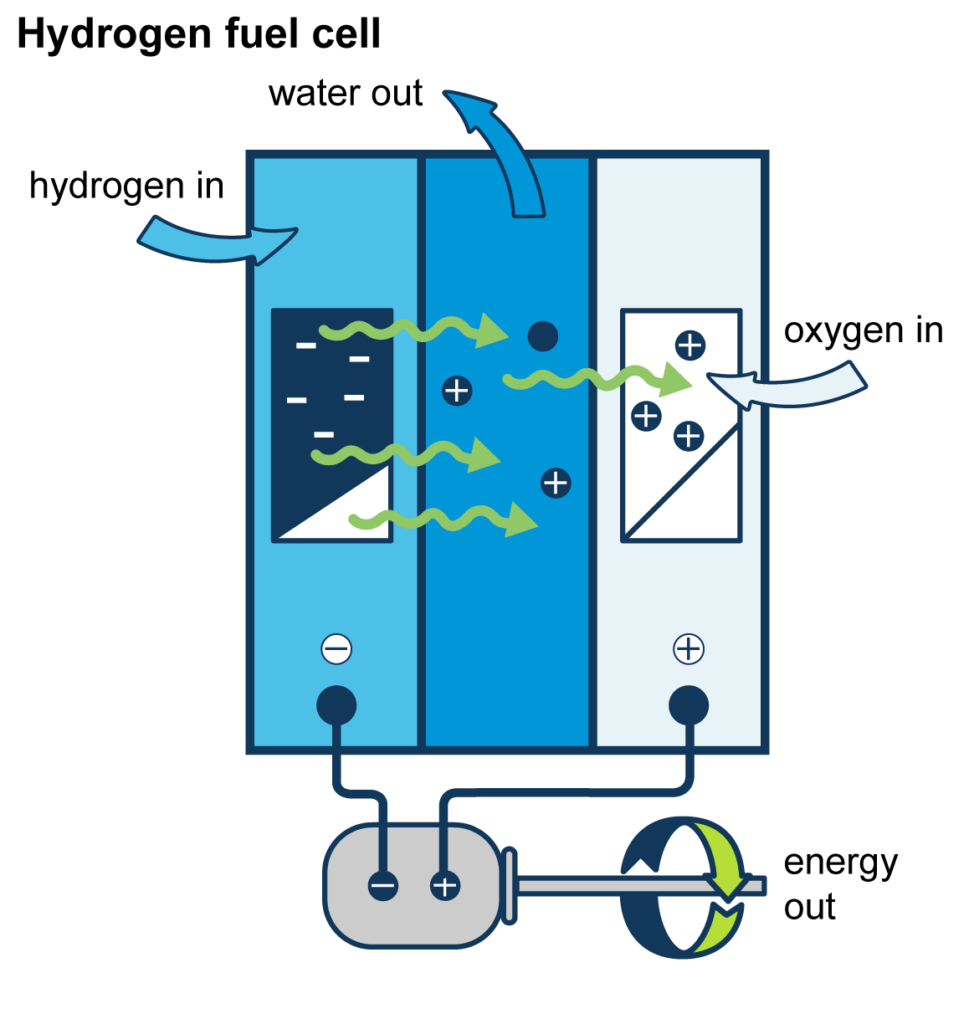
As the world slowly phases out fossil fuels, researchers are turning their attention to alternative energy sources. One promising option is hydrogen (H2), which has been gaining significant attention in recent years. The concept of hydrogen economy, or the entire set of strategies aimed at harnessing the use of this fuel, is rapidly evolving.
Why Hydrogen is a Promising Energy Source
There are compelling reasons to delve deeper into studying hydrogen. When hydrogen is oxidized, it produces an impressive amount of energy per gram, approximately three times more than traditional fossil fuels. In practical terms, comparing the energy produced by hydrogen to that generated from propane, a common fuel used in some cars, reveals that hydrogen produces about 2.6 times more heat – essentially, more energy.
Hydrogen is considered a clean source of energy because its oxidation only yields water as a byproduct, which poses no environmental issues. Hydrogen could potentially replace natural gas for domestic heating and even gasoline in vehicles. Although this may seem far-fetched, consider that Japanese automaker Honda already sells cars that run on hydrogen, using it to generate electricity which powers the electric motor.
History of Hydrogen as an Alternative Energy Source
The idea of using hydrogen as a clean energy source dates back to the early 20th century. In 1902, French engineer François Isaac de Rivaz patented a hydrogen-powered car engine. Since then, numerous inventors and companies have explored the potential of hydrogen fuel cells for various applications.
In the 1950s, the United States launched the “Hydrogen Economy” project, aimed at developing the infrastructure necessary to support widespread use of hydrogen. However, the project was ultimately abandoned due to high costs and technical challenges. More recent efforts, such as the European Union’s Hydrogen Strategy, have revitalized interest in hydrogen technology.
Challenges and Opportunities
Despite current applications, there are several challenges that need addressing before hydrogen can become a widespread energy source. Developing cost-effective methods for producing, storing, and distributing hydrogen is crucial.
Hydrogen itself is abundant on Earth but primarily as part of compounds rather than its elemental form. Extracting hydrogen from such compounds requires extreme temperatures. One common method involves the steam reforming process, which uses water to extract hydrogen from methane (a potent greenhouse gas), although this also produces carbon monoxide (CO) as a byproduct.
Considering the ultimate goal is to eliminate fossil fuels, processes like these are counterintuitive since they rely on solid carbon and natural gas. Therefore, producing hydrogen must start with pure water.
Extracting Hydrogen from Water: The Elettrolysis Process
To extract hydrogen from water (H2O), an electric current is needed – a process known as electrolysis. Stripping away H atoms from the water molecule requires energy, which can be harnessed through solar panels or a combination of various energy sources in Germany, for example.
The electrolysis process involves several steps:
- Water Splitting: Water molecules are split into hydrogen and oxygen ions using an electric current.
- Oxygen Evolution: Oxygen gas is released at the cathode (negative electrode).
- Hydrogen Generation: Hydrogen gas is produced at the anode (positive electrode).
Storing Hydrogen Safely
The most intuitive method would be to store it as gas at moderate pressures – suitable for domestic heating systems or larger-scale applications. However, this approach poses significant space issues due to the volume occupied by the gas at these pressures.
A more practical solution involves using certain metals that can absorb H2 and release it later, providing an intelligent form of hydrogen storage. Nanotubes made from carbon are particularly promising as they allow for hydrogen release even at ambient temperatures and moderate pressures.
The Role of Storage Materials in Hydrogen Economy
Storage materials play a crucial role in the development of hydrogen economy. The ideal material should have several characteristics:
- High Surface Area: Large surface area ensures efficient storage and release of hydrogen.
- Low Cost: Economical production is essential for widespread adoption.
- Stability: Materials must be stable over long periods to prevent degradation.
Some promising materials include:
- Carbon Nanotubes: As mentioned earlier, these nanotubes offer excellent properties for hydrogen storage.
- Metal Hydrides: These materials can absorb and release hydrogen, making them suitable for various applications.
- Solid-State Electrolytes: These electrolytes are crucial for the development of fuel cells that store hydrogen.
The Future of Hydrogen: A Multifaceted Approach
While the production of hydrogen is straightforward using water, its safe and efficient storage and distribution require distinct technologies. The German example, where hydrogen is stored in biogas form, demonstrates a partial solution to this problem.
Despite current limitations, utilizing a combination of various alternative energy sources can yield noticeable results. As we move towards an entirely fossil-fuel-free world, innovative approaches like the hydrogen economy will be crucial.
Potential Applications of Hydrogen
Hydrogen has numerous potential applications:
- Transportation: Fuel cells in vehicles and buses could revolutionize urban mobility.
- Power Generation: Hydrogen-based power plants could provide a clean and efficient source of energy.
- Industrial Processes: Hydrogen can be used as a feedstock for various industrial processes, such as the production of chemicals and fuels.
Conclusion
Hydrogen has immense potential as an alternative energy source. As researchers continue to explore new methods for producing, storing, and distributing hydrogen, we can expect significant advancements in this field. While challenges remain, the benefits of transitioning towards a hydrogen-based economy are substantial.
In the coming years, innovative approaches like the hydrogen economy will play a crucial role in shaping our future energy landscape. By embracing these emerging technologies, we can create a cleaner, more sustainable world for generations to come.


