
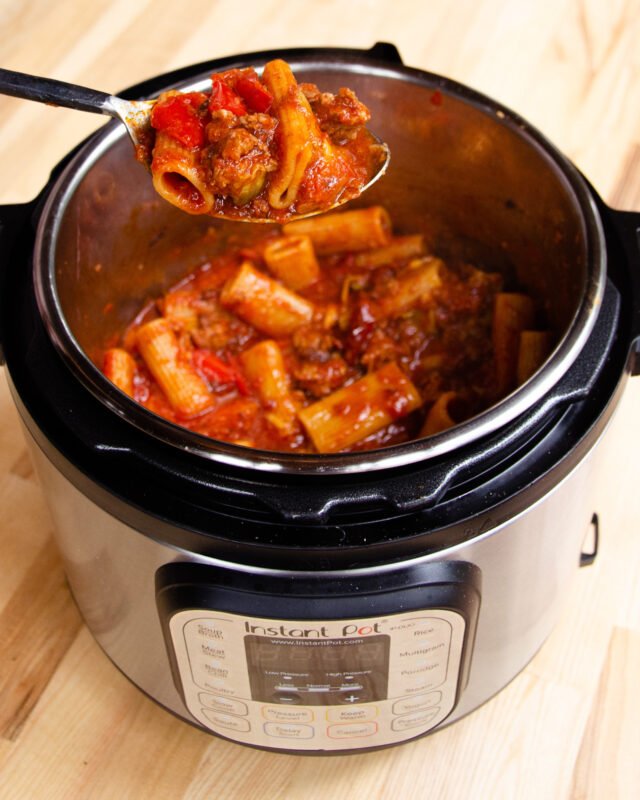
As you embark on your culinary journey, you’re likely searching for ways to cook efficiently and effectively. Cucinare con la pentola a pressione is an excellent solution, allowing you to preserve the nutritional properties of food, especially when using organic ingredients.
Understanding the Benefits of Pressure Cooking
Pressure cooking, also known as steam pressure cooking, enables you to retain the natural flavors and nutrients of your ingredients. This method uses high-pressure steam to cook food faster than traditional methods, resulting in a more energy-efficient process.
The Science Behind Pressure Cooking
To understand how pressure cooking works, let’s delve into the science behind it:
- Heat Transfer: When you heat water in a pot, it absorbs energy from the stovetop or electric heating element. As the water heats up, its temperature increases, causing the surrounding air to expand.
- Steam Pressure: As the water reaches its boiling point, steam builds up inside the pot. This increased pressure is what allows for faster cooking times and more efficient use of gas.
- Pressure Build-up: When the steam becomes too much for the pot to handle, it creates a buildup of pressure, causing the valve on top of the pot to sibil.
Choosing the Right Pressure Cooker
When selecting a pressure cooker, consider the size of the pot based on the number of people you plan to cook for. A general rule of thumb is to use 1 liter per person. For example, if you’re cooking for four people, a 5-liter pot would be sufficient. Pressure cookers come in various sizes, including 3, 5, and 7 liters.
Key Considerations for Effective Pressure Cooking
To ensure success with your pressure cooker:
- Use the Right Liquids: Generally, you should use at least 1/4 to no more than 3/4 of the pot’s capacity for liquid.
- Adjust the Heat: Once the water reaches its boiling point, adjust the heat to maintain the ideal pressure.
- Monitor the Valve: Pay close attention to the valve on top of the pot, as it will indicate when the cooking time has been reached.
A Step-by-Step Guide to Cooking with a Pressure Cooker
To get started, follow these steps:
- Preparation: Prepare your ingredients and place them in the pressure cooker.
- Adding Liquid: Add the recommended amount of liquid (water or broth) to the pot.
- Heating: Place the pot on the stovetop or electric heating element and let it heat up until the water reaches its boiling point.
- Pressure Build-up: Once the water is boiling, adjust the heat to maintain the pressure and wait for the valve to start sibiling.
- Cooking Time: Reduce the cooking time according to the sibilation of the valve.
Tips for Successful Pressure Cooking
To ensure a smooth and efficient process:
- Use a Variety of Ingredients: Experiment with different ingredients, such as beans, grains, and vegetables.
- Monitor the Pressure: Keep an eye on the pressure gauge to avoid overcooking or undercooking your food.
- Store Your Cooker Properly: After use, allow the cooker to cool before storing it in a dry place.
Common Questions and Answers
Q: What are some common mistakes people make when using pressure cookers?
A: Overfilling the pot, not adjusting the heat properly, and neglecting to monitor the pressure gauge can lead to inefficient cooking.
Q: How do I know if my food is cooked thoroughly?
A: Check for tenderness and texture changes after following the recommended cooking time. If unsure, consult a trusted cookbook or online resource.
Q: Can I use pressure cookers for specific types of food?
A: Yes! Pressure cookers are ideal for cooking beans, grains, vegetables, and proteins like chicken and fish.
Q: How do I clean my pressure cooker after use?
A: Always refer to the manufacturer’s instructions for cleaning guidelines.


