
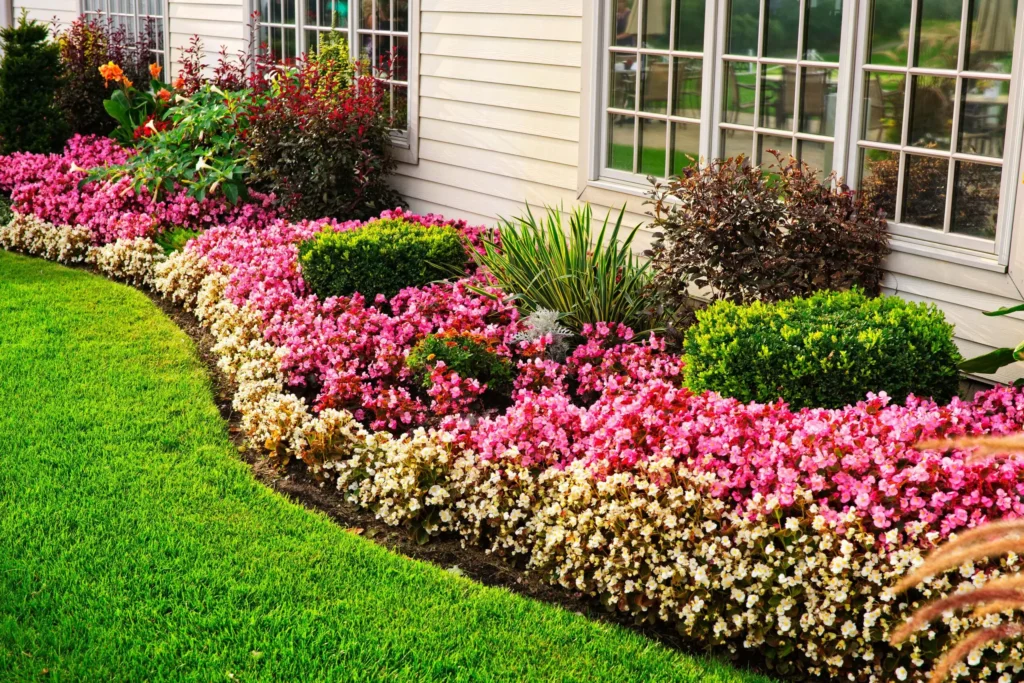
Garden design is not a game, but a true art form if you want to create gardens that are not only visually appealing for a short time but also stand the test of time. Certain plants must not overstep their boundaries, must not suffocate each other, and it’s not aesthetically pleasing if they all bloom at the same time. Garden design is a task for experts who know the characteristics of the soil, climate, architectural elements, and natural features surrounding them, as well as how to relate to them.
It’s also essential that the expert, along with us, decides on the shape, size, colors of flowers, and their function. If you enjoy “tinkering,” you can even experiment with garden design software
Content
1. Perennial Garden Design
Perennial gardens typically follow a border of flowering plants vialets or walls and are therefore essential to be permanent and always visually appealing. We must take into account the choice of plants that will also need to have a larger size compared to simple decorative beds. It’s useful to insert trees that filter strong winds and leave the right amount of space between plants themselves.
Another type of perennial garden is those near walls, often hosting climbing plants such as roses or honeysuckle.
In general, we need species resistant to harsh weather conditions and with a high ability to recover quickly, able to face even bad weather, rain, or wind, or snow.
2. DIY Garden Bed Design
If we’re at the beginning of garden design, it’s better to create a large and well-designed single bed rather than many small beds scattered throughout the garden. This is to avoid multiplying problems, certainly, but also to give our garden an ordered look that might otherwise appear like a patchwork of old plants.
For choosing flowers, it’s better to choose different varieties even if they are of the same color because mixed flower colors may not grow well together and our bed will appear neglected. You can also choose a single base color and then select with an expert garden design consultant various flowers of this color that can coexist well.
3. Garden Bed Design for Gardens
When we have to deal with designing garden beds in gardens, it’s necessary to make a true action plan, a design, a project outline, setting up zones where we want the beds, taking into account areas of shade and sunlight, and the orientation of wind.
There are also general “rules” that can be useful to know, such as the minimum width of borders (1.5 meters) and the maximum (3 meters).
In garden bed design for gardens, we can anticipate the presence of a decorative black railing, available on Amazon at 27 euros.
4. Small Garden Bed Design
For small beds, it’s better to limit the choice to self-pollinating plants with fruits that fall off on their own and do not ruin flowering. If we’re talking about designing small beds, it’s better to avoid round or teardrop shapes and prefer square or rectangular ones.
5. Flower Bed Design
If we want to create a bed for pure decorative purposes, we can fill it with flowers to give it a truly beautiful and eye-catching appearance. It’s best if all the flowers bloom at the same time. Plants like tulips, daffodils, and cyclamen are particularly well-suited for this purpose.
The color of flowers is certainly a matter of taste, but generally, we don’t associate too many strong colors unless separated by a strip of white flowers that reinforce them and illuminate the garden light.
6. Considerations for Garden Design
When designing a garden, it’s essential to consider several factors, including:
- The type of soil and its pH level
- The amount of sunlight your garden receives
- The amount of wind protection you need
- The style of architecture in your home and neighborhood
- The local climate and weather patterns
By considering these factors, you can create a garden that is not only visually appealing but also functional and sustainable.
7. How to Create a Beautiful Garden Bed
Creating a beautiful garden bed requires careful planning and attention to detail. Here are some tips to help you get started:
- Choose plants that are suitable for your climate and soil type
- Consider the color palette of your garden and choose plants that complement it
- Use a variety of textures and shapes to add visual interest to your garden bed
- Add decorative elements, such as stones or statues, to enhance the beauty of your garden
By following these tips, you can create a beautiful and functional garden bed that enhances the aesthetic appeal of your outdoor space.
8. Tips for Creating a Low-Maintenance Garden Bed
Creating a low-maintenance garden bed requires careful planning and attention to detail. Here are some tips to help you get started:
- Choose plants that require minimal care and maintenance
- Use drought-tolerant plants to reduce the need for watering
- Mulch your garden bed to retain moisture and suppress weeds
- Add a layer of compost or fertilizer to improve soil quality
By following these tips, you can create a low-maintenance garden bed that requires minimal upkeep.
9. How to Create a Wildlife-Friendly Garden Bed
Creating a wildlife-friendly garden bed requires careful planning and attention to detail. Here are some tips to help you get started:
- Choose plants that provide food and shelter for local wildlife
- Use native plants to attract pollinators and other beneficial insects
- Add a source of water, such as a birdbath or pond, to attract wildlife
- Create a habitat for beneficial insects, such as bees and butterflies
By following these tips, you can create a wildlife-friendly garden bed that supports local biodiversity.
10. Conclusion
Garden design is an art form that requires careful planning and attention to detail. By considering several factors, including soil type, sunlight, wind protection, architecture, climate, and weather patterns, you can create a beautiful and functional garden that enhances the aesthetic appeal of your outdoor space. Whether you’re creating a low-maintenance garden bed or a wildlife-friendly habitat, there are many ways to enhance the beauty and functionality of your garden.
Frequently Asked Questions
- What plants should I choose for my perennial garden?
Choose plants that are resistant to harsh weather conditions and can quickly recover from adverse weather. - How do I design a beautiful flower bed?
Mix different colored flowers, avoid too many strong colors unless separated by white flowers, and prefer plants with similar growth habits. - What is the ideal size for garden beds?
The width of borders should be between 1.5 meters and 3 meters. - How do I design a garden bed in a garden?
Plan your garden bed design carefully, taking into account areas of shade and sunlight, wind orientation, and how to relate to natural features. - What types of plants are suitable for small flower beds?
Choose self-pollinating plants with fruits that fall off on their own and do not ruin flowering. - How can I ensure my garden bed is visually appealing?
Mix different colored flowers, avoid too many strong colors unless separated by white flowers, and prefer plants with similar growth habits. - What are some general “rules” for designing garden beds?
The width of borders should be between 1.5 meters and 3 meters. - How can I create a beautiful flower bed in my garden?
Mix different colored flowers, avoid too many strong colors unless separated by white flowers, and prefer plants with similar growth habits.
By following these guidelines and tips, you’ll be well on your way to creating stunning and enduring garden designs that will bring joy and beauty to your outdoor space for years to come.


