
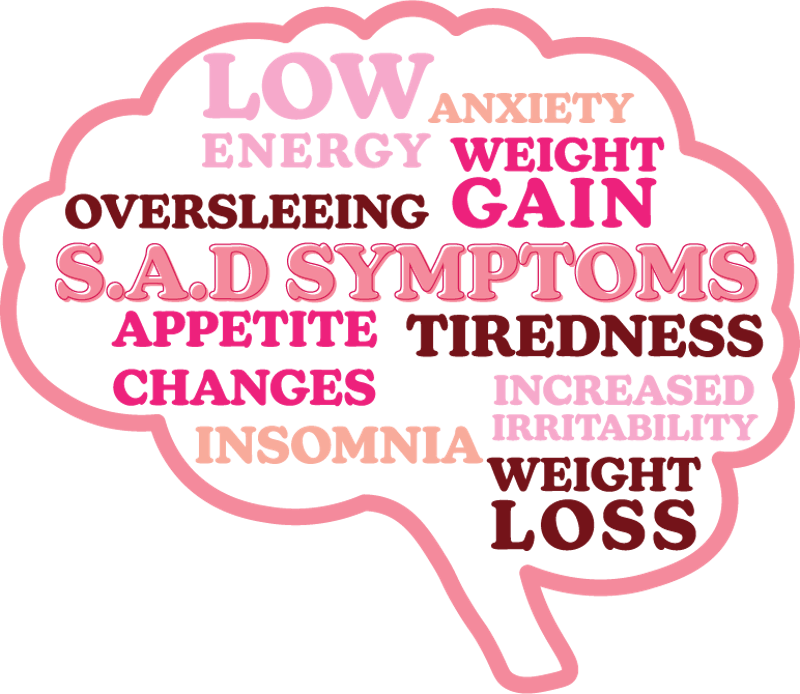
As the seasons change, many of us experience a range of physical and emotional symptoms. From fatigue and anxiety to depression and irritability, these changes can be unsettling and affect our daily lives.
The Science Behind Seasonal Affective Disorder (SAD)
While SAD is often associated with seasonal changes, it’s not the only factor at play. The onset of autumn or spring can trigger a range of emotional responses, from mild discomfort to full-blown anxiety. But what drives this phenomenon?
The Impact on Mental Health
As the seasons change, our bodies undergo natural adaptations to cope with the shifting temperatures and daylight hours. However, for some individuals, these changes can have a profound impact on their mental health.
- Fatigue: The arrival of winter can leave us feeling lethargic, while spring’s longer days can lead to increased energy levels.
- Mood swings: The change in temperature and sunlight exposure can affect our mood, leading to feelings of irritability or sadness.
- Social withdrawal: As the weather deteriorates, we may feel more inclined to stay indoors, which can exacerbate feelings of loneliness and isolation.
Who’s Most Affected?
Certain individuals are more susceptible to the emotional impact of seasonal changes:
- Children: Their developing brains and bodies are particularly sensitive to environmental changes.
- Seniors: As they age, their ability to adapt to changing seasons can be impaired.
- Those with pre-existing conditions: Certain medical conditions, such as depression or anxiety disorders, can be triggered or worsened by seasonal fluctuations.
Natural Remedies for Seasonal Changes
While there’s no one-size-fits-all solution, incorporating natural remedies into your daily routine can help alleviate symptoms:
- Light therapy: Exposure to bright light can regulate our internal clocks and improve mood.
- Exercise: Regular physical activity can boost energy levels and reduce stress.
- Nutrition: A balanced diet rich in fruits, vegetables, and whole grains can support mental well-being.
Practical Tips for Coping with Seasonal Changes
To navigate the challenges of seasonal transitions, try these strategies:
- Prioritize self-care: Engage in activities that bring you joy and relaxation.
- Establish a routine: Stick to a daily schedule to maintain structure and stability.
- Seek social support: Connect with friends, family, or online communities to combat feelings of isolation.
Debunking Common Myths
Contrary to popular belief:
- Seasonal changes are not just about temperature; they can also affect our mood and energy levels.
- There is no single “season” that triggers SAD; rather, it’s a complex interplay of factors.
- Natural remedies can be incredibly effective in managing symptoms.
Conclusion
As the seasons change, it’s essential to recognize the impact on our mental health. By understanding the underlying causes and incorporating natural remedies into your routine, you can better navigate the challenges of seasonal transitions. Remember, it’s okay to ask for help – reach out to friends, family, or mental health professionals when needed.
Frequently Asked Questions
Q: What is Seasonal Affective Disorder (SAD)?
A: SAD is a type of depression that occurs during specific seasons, typically the winter months.
Q: Who is most affected by seasonal changes?
A: Children, seniors, and individuals with pre-existing conditions are more susceptible to the emotional impact of seasonal fluctuations.
Q: What natural remedies can help alleviate symptoms?
A: Light therapy, exercise, and a balanced diet rich in fruits, vegetables, and whole grains can support mental well-being.
Q: How can I prioritize self-care during seasonal transitions?
A: Engage in activities that bring you joy, establish a daily routine, and seek social support when needed.
Q: Can natural remedies replace medical treatment?
A: No; while natural remedies can be incredibly effective, they should not replace professional medical help if symptoms persist or worsen over time.
Incorporating Mindfulness into Your Seasonal Routine
Mindfulness practices can play a significant role in managing seasonal transitions:
- Meditation and deep breathing exercises can reduce stress and promote relaxation.
- Journaling and reflection can help process emotions and gain perspective.
- Engaging in creative activities, such as painting or writing, can provide an outlet for self-expression.
Seasonal Transition Timeline
Understanding the natural cycles of seasonal changes can help you prepare for upcoming transitions:
- Autumn: The onset of shorter days and cooler temperatures can trigger feelings of fatigue and anxiety. Establishing a daily routine and prioritizing self-care can help alleviate symptoms.
- Winter: As daylight hours continue to shorten, mood swings and social withdrawal may increase. Light therapy and regular exercise can support mental well-being during this time.
- Spring: The longer days and warmer temperatures can lead to increased energy levels and feelings of renewal. Engaging in outdoor activities and establishing a daily routine can help you make the most of these seasonal changes.
Creating a Seasonal Transition Plan
Developing a personalized plan for coping with seasonal changes can be incredibly effective:
- Identify your specific symptoms: Recognize how seasonal fluctuations affect your mental health.
- Develop a self-care routine: Establish activities that bring you joy and relaxation.
- Seek social support: Connect with friends, family, or online communities to combat feelings of isolation.
Conclusion
As the seasons change, it’s essential to recognize the impact on our mental health. By understanding the underlying causes, incorporating natural remedies into your routine, and prioritizing self-care, you can better navigate the challenges of seasonal transitions. Remember, it’s okay to ask for help – reach out to friends, family, or mental health professionals when needed.
Additional Resources
For further information on managing seasonal changes, consider the following resources:
- National Alliance on Mental Illness (NAMI) – www.nami.org
- American Psychological Association (APA) – www.apa.org
- Seasonal Affective Disorder Foundation – www.sadfoundation.org
Final Thoughts
As we navigate the ever-changing seasons, it’s essential to prioritize our mental health. By understanding the underlying causes of seasonal changes and incorporating natural remedies into your routine, you can better cope with the challenges that come with each transition. Remember, you’re not alone – reach out for support when needed.


