
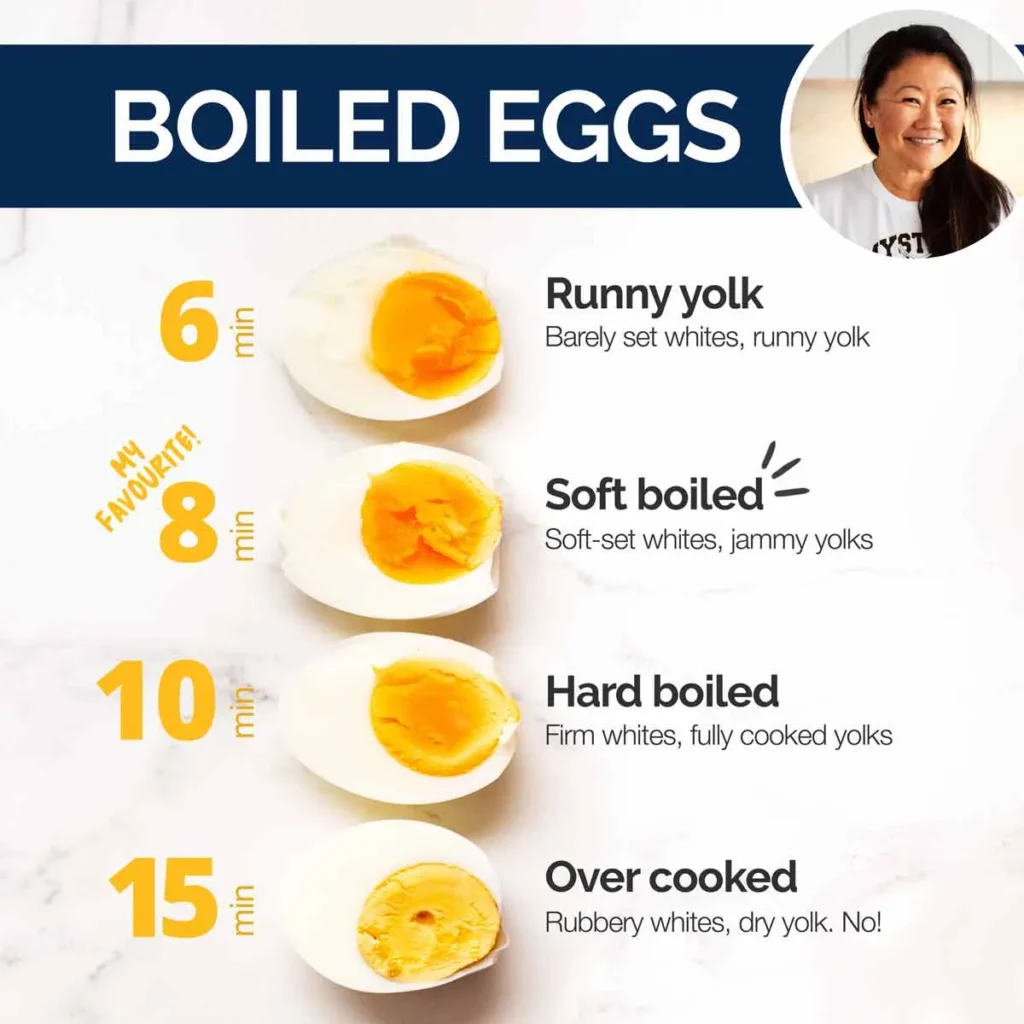
As we begin our journey into the world of cooking, one question often arises: how long do I need to cook an egg to achieve the perfect hard-boiled texture? The answer may seem straightforward, but it’s not as simple as you think. In this article, we’ll delve into the world of hard-boiled eggs and explore the factors that affect their cooking time.
Understanding Hard-Boiled Eggs
Hard-boiled eggs are a staple in many cuisines, providing a convenient and versatile ingredient for various recipes. However, not everyone is familiar with the art of cooking perfect hard-boiled eggs. Whether you’re a seasoned chef or a kitchen novice, this guide will help you master the technique.
The Importance of Temperature
When it comes to cooking hard-boiled eggs, temperature plays a crucial role. Water that’s too hot can cause the egg to cook unevenly, resulting in a rubbery texture. On the other hand, water that’s not hot enough may lead to undercooked or raw egg yolks.
Choosing the Right Cooking Time
So, how long do hard-boiled eggs need to be cooked? The answer depends on several factors, including the size of the eggs and personal preference for doneness. As a general guideline, hard-boiled eggs typically require 8-10 minutes of cooking time.
Tips for Achieving Perfect Hard-Boiled Eggs
To ensure perfectly cooked hard-boiled eggs, follow these tips:
- Use cold water to start with: Fill a pot with enough cold water to cover the eggs by about an inch. This helps prevent the eggs from cracking and ensures even cooking.
- Bring the water to a boil before adding the eggs: Place the pot over high heat and bring the water to a rolling boil. Once boiling, reduce the heat to a simmer and carefully add the eggs.
- Use a timer to monitor the cooking time: Set a timer according to your desired level of doneness (more on this later). This ensures that you don’t overcook or undercook the eggs.
- Shock the eggs in an ice bath after cooking: Once the cooking time has elapsed, immediately transfer the eggs to a bowl of ice water. This rapid cooling process stops the cooking process and helps the eggs peel more easily.
- Peel the eggs immediately after cooling: After the eggs have cooled, gently crack them open and remove the shells. The cooler the eggs are, the easier they will be to peel.
Solving Common Problems
Even experienced cooks encounter issues when cooking hard-boiled eggs. Here are some common problems and solutions:
- Eggs cracking during cooking: Adding a tablespoon of vinegar or lemon juice to the water can help prevent cracks. This acidity helps reduce the egg’s surface tension, making it less prone to bursting.
- Eggs not peeling easily: Shocking the eggs in an ice bath helps stop the cooking process, making it easier to peel. The rapid cooling also causes the eggs’ membranes to contract, allowing them to separate more easily from the shells.
The Benefits of Cooking Hard-Boiled Eggs
Cooked hard-boiled eggs offer numerous benefits. Here are some reasons why they’re a great addition to your diet:
- Convenient and versatile: Hard-boiled eggs can be used in various dishes, from salads to sandwiches. They make an excellent snack on-the-go or as a topping for breakfast cereals.
- High-quality protein: Eggs are an excellent source of protein, making them an ideal snack or meal. A single large egg contains about 6 grams of protein, while a hard-boiled egg provides around 7-8 grams per serving.
Frequently Asked Questions
Here are some frequently asked questions about cooking hard-boiled eggs:
Q: Can I eat hard-boiled eggs the next day?
A: Yes, hard-boiled eggs can be stored in the refrigerator for up to 5 days. However, their quality may decrease over time due to bacterial growth.
Q: How long do large eggs take to cook?
A: Large eggs typically require 10-12 minutes of cooking time. This duration ensures that the egg yolks are fully set and the whites are cooked through but still tender.
Q: What’s the best way to store hard-boiled eggs?
A: Hard-boiled eggs should be stored in an airtight container in the refrigerator, away from direct sunlight and heat sources. This helps maintain their freshness and prevent bacterial growth.
Q: Can I cook hard-boiled eggs in advance?
A: Yes, cooked hard-boiled eggs can be refrigerated for up to 5 days or frozen for up to 2 months. When reheating, make sure the eggs are heated to an internal temperature of at least 160°F (71°C) to ensure food safety.
Q: How do I know when my hard-boiled eggs are cooked?
A: To check if your hard-boiled eggs are cooked, look for these signs:
- White centers: The yolks should be fully set and have a clean white center. If the center is still runny or pinkish, cook the eggs for a few more minutes.
- No visible cracks: Hard-boiled eggs should not crack when opened. This indicates that they are cooked evenly and have maintained their structural integrity.
The Art of Peeling
Achieving perfectly peeled hard-boiled eggs is an art in itself. Here are some tips to help you master the technique:
- Cooling: Rapid cooling after cooking helps contract the egg’s membranes, making them easier to peel.
- Peeling method: Gently crack open the eggs and start peeling from one end of the shell. Work your way around the egg in a spiral motion, starting from the large end.
Common Peeling Issues
Some common issues that can occur when peeling hard-boiled eggs include:
- Eggshell fragments: Use a spoon to carefully remove any remaining shell fragments.
- Patches of unpeeled egg: If you encounter patches of unpeeled egg, gently tap the affected area with your spoon to loosen the shell.
Tips for Cooking Large Eggs
Cooking large eggs can be a bit more challenging than smaller ones. Here are some tips to help you achieve perfect hard-boiled large eggs:
- Increase cooking time: Large eggs typically require an additional 2-3 minutes of cooking time compared to small or medium eggs.
- Adjust the peeling method: Due to their larger size, it’s easier for large eggs to crack during peeling. Be gentle when removing the shells to avoid breakage.
Advanced Cooking Techniques
Once you’ve mastered the basics of hard-boiled egg cooking, you can experiment with more advanced techniques:
- Poaching eggs: Poached eggs are a delicate but delicious addition to many dishes. To cook poached eggs, crack them into simmering water and cook for 3-5 minutes, or until the whites are set and the yolks are cooked to your desired doneness.
- Soft-boiled eggs: Soft-boiled eggs have a runnier yolk than hard-boiled eggs. To achieve this, reduce the cooking time by 1-2 minutes.
Conclusion
Cooking perfect hard-boiled eggs is an art that requires patience, practice, and attention to detail. By following these guidelines and mastering the basics of temperature, cooking time, and peeling techniques, you’ll be well on your way to creating delicious and versatile hard-boiled eggs for any occasion. Happy cooking!


