
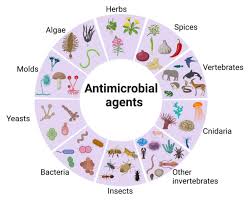
As we go about our daily lives, it’s easy to overlook the tiny microorganisms that surround us. However, these microscopic invaders can cause a range of diseases and infections, making antimicrobial agents an essential part of our medical arsenal. In this article, we’ll delve into the world of natural antimicrobials, exploring their history, types, benefits, and uses.
What are Antimicrobials?
The term “antimicrobial” refers to substances that can kill or inhibit the growth of microorganisms such as bacteria, viruses, fungi, and protozoa. These agents can be derived from natural sources, synthesized in a lab, or a combination of both. The effectiveness of antimicrobials depends on various factors, including concentration, temperature, pH, substrate type, and the target microorganism.
Types of Antimicrobial Agents
Antimicrobials can be categorized into two main groups: those that kill or inhibit microbial growth (e.g., bactericidal, fungicidal, and virocidal agents) and those that simply slow down microbial growth (e.g., bacteriostatic, fungistatic, and virostatic agents). Some antimicrobials also have antisettic and disinfectant properties.
Natural Antimicrobials
In this section, we’ll explore natural antimicrobials, including antibiotics, preservatives, and antimicrobial peptides (AMPs).
Antibiotics
Antibiotics are naturally occurring substances produced by microorganisms such as bacteria and fungi. These agents can inhibit microbial growth or kill specific types of microorganisms. While some antibiotics have similar efficacy to synthetic counterparts, others may have limited effectiveness against certain microorganisms.
Preservatives
Preservatives are antimicrobial agents added to food products to prevent spoilage and extend shelf life. They work by inhibiting the growth of microorganisms such as bacteria, yeast, and mold. Some preservatives also have antibacterial or antifungal properties.
Peptid Antimicrobials (AMPs)
Peptide antimicrobials are small protein molecules that play a crucial role in our immune system’s defense against microbial infections. AMPs can be found naturally in various organisms and have been shown to exhibit broad-spectrum antimicrobial activity.
Saponins with Antimicrobial Properties
Sapons containing antimicrobial agents are available over-the-counter or online, offering enhanced protection against infection-causing microorganisms.
Deodorants with Antimicrobial Properties
Deodorants containing antimicrobials can help prevent body odor by inhibiting the growth of bacteria that produce unpleasant odors. These products are widely available in stores and online.
Antimicrobials for Urinary Tract Infections
Antimicrobials, such as ciprofloxacin, trimethoprim, and nalidixic acid, can be used to treat urinary tract infections (UTIs). In some cases, offloxacin or amoxicillin may be prescribed.
Benefits of Natural Antimicrobials
Natural antimicrobials offer several benefits over synthetic agents, including:
- Reduced side effects: Natural antimicrobials tend to have fewer side effects compared to synthetic agents.
- Environmental sustainability: Natural antimicrobials are often biodegradable and non-toxic, reducing the environmental impact of their use.
- Cost-effectiveness: Many natural antimicrobials are less expensive than synthetic agents, making them a more affordable option for individuals and communities.
- Increased efficacy: Some natural antimicrobials have been shown to be just as effective as synthetic agents against specific microorganisms.
Uses of Natural Antimicrobials
Natural antimicrobials can be used in various applications, including:
- Food preservation: Preservatives like sodium benzoate and potassium sorbate are commonly used to extend shelf life and prevent spoilage.
- Personal care products: Deodorants, soaps, and lotions containing antimicrobial agents help prevent the growth of bacteria and fungi on the skin.
- Medical treatments: Natural antimicrobials like AMPs and saponins have been shown to exhibit broad-spectrum antimicrobial activity, making them potential candidates for treating infections.
Challenges and Limitations
While natural antimicrobials offer several benefits, they also have some challenges and limitations:
- Variable efficacy: The effectiveness of natural antimicrobials can vary depending on factors like concentration, temperature, and substrate type.
- Limited spectrum of activity: Natural antimicrobials may not be effective against all types of microorganisms or diseases.
- Regulatory issues: The use of natural antimicrobials in food products and medical treatments is subject to regulatory guidelines and standards.
Conclusion
Natural antimicrobials have been used for centuries in various cultures to prevent and treat microbial infections. From antibiotics and preservatives to peptid antimicrobials and saponins, these agents offer a range of benefits against microorganisms. By understanding the types and uses of natural antimicrobials, we can harness their power to promote health and well-being.
Frequently Asked Questions (FAQs)
- What are some common natural antimicrobial sources?
Natural antimicrobials can be found in plants, animals, and microorganisms such as bacteria, fungi, and peptides. - How do saponins with antimicrobial properties work?
Saponins interact with bacterial membranes, disrupting their structure and ultimately leading to cell death. - Can natural antimicrobials replace synthetic antimicrobials?
While natural antimicrobials have benefits, they may not be as effective as synthetic agents against certain microorganisms or diseases. - What are some common uses of antimicrobial peptides (AMPs)?
AMPs play a crucial role in our immune system’s defense against microbial infections and have been shown to exhibit broad-spectrum antimicrobial activity. - How can I incorporate natural antimicrobials into my daily routine?
Incorporate natural antimicrobials such as saponins, deodorants, or dietary supplements (e.g., garlic) into your daily routine to promote overall health and well-being. - Can natural antimicrobials be used in combination with synthetic antimicrobials?
Yes, natural antimicrobials can be used in conjunction with synthetic agents to create more effective treatments against microbial infections. - How do I choose the right natural antimicrobial product for my needs?
Consult with a healthcare professional or conduct thorough research on the product’s ingredients and efficacy before selecting a natural antimicrobial agent. - Can natural antimicrobials help prevent UTIs?
While some natural antimicrobials may have benefits against UTIs, they should not be relied upon as the sole treatment for this condition. Consult with a healthcare professional for proper diagnosis and treatment.
Future Directions
The field of natural antimicrobials is rapidly evolving, with ongoing research aimed at:
- Improving efficacy: Developing new natural antimicrobial agents with enhanced activity against specific microorganisms.
- Increasing accessibility: Making natural antimicrobial products more widely available and affordable for individuals and communities worldwide.
- Reducing side effects: Identifying and minimizing potential side effects of natural antimicrobials, ensuring safer use in various applications.
By understanding the complexities of natural antimicrobials and their role in promoting health and well-being, we can harness their power to create a more sustainable and effective approach to microbial infections.


