
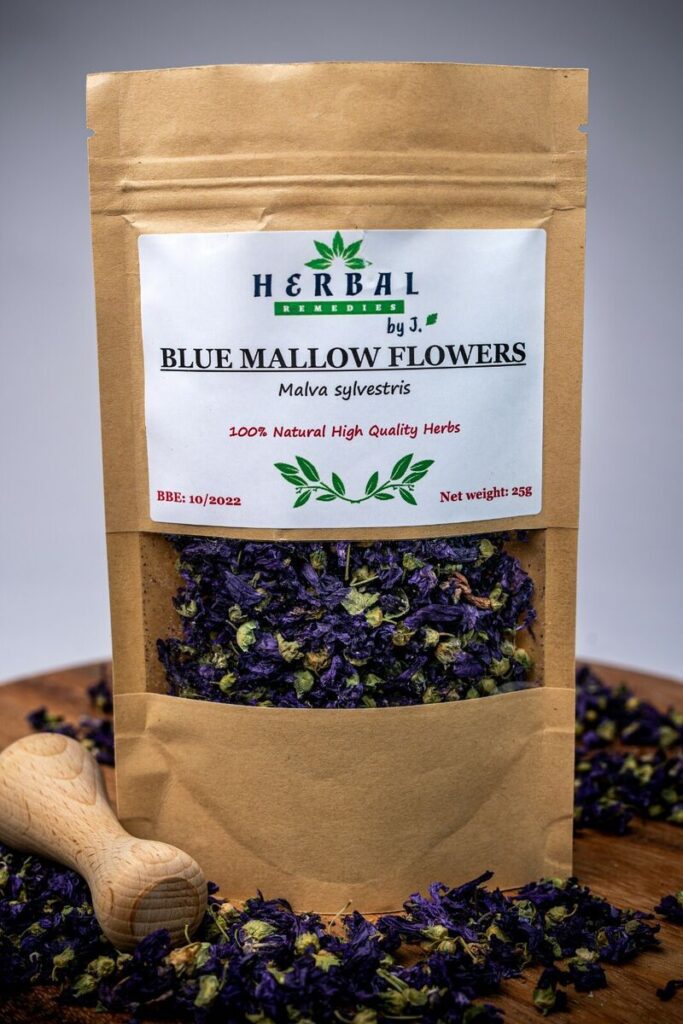
Malva is a perennial herb that has been used in folk medicine for centuries, thanks to its numerous therapeutic properties. In this article, we will delve into the world of malva and explore its uses, benefits, and contraindications.
What is Malva?
Malva is a biennial or perennial herb that grows up to 60-80 cm high, with a rooty habit and colorful flowers ranging from pink-purple to intense violet. It has been cultivated for both ornamental purposes and herbal medicine. The botanical name of malva is Malva sylvestris.
The Active Principles of Malva
Malva contains numerous active principles, including chlorogenic acid, caffeic acid, carotene, glucose, pectin, potassium, resin, and vitamins A, B, C, and E. Among the typical active compounds found in malva are malvin and malvidin.
The Properties of Malva
Malva has a range of therapeutic properties, including anti-inflammatory, emollient, resolving, immune-stimulating, antiseptic, diuretic, hydrating, refreshing, and antacid. Its mild laxative properties make it suitable for consumption by children, but it’s recommended to consult with a pediatrician.
Malva in Natural Remedies
Malva is used in various natural remedies, including:
- Cold and Cough Remedy: A classic grandma remedy involves preparing a decoction of fresh malva leaves in 1 liter of water, accompanied by 2 tablespoons of honey to counteract coughs and colds.
- Sleep Aid Remedy: Malva’s sedative properties can be exploited by preparing a tea of 3 grams of flowers and leaves per 100 grams of water. Drink a cup before bed for a natural remedy against insomnia.
- Remedy against Couperose: For external use only, a decoction of 40 grams of fresh malva leaves in 1 liter of water can be applied to the affected area as long as possible with impacchi (compresses).
- Anti-inflammatory Remedy: An infusion of flowers and leaves can be prepared: 2 grams per 100 grams of water. Drink one cup at least 10 days a day.
- Remedy against Anxiety, Stress, and Nervousness: During periods of tension, an infusion can be made with 3 grams of flowers and leaves per 100 grams of water or a relaxing bath can be created by infusing 300 grams of leaves in 2 liters of water for 15 minutes and adding it to the bathtub.
Malva in Cooking
Malva’s fresh leaves can be consumed like spinach and added to soups and fillings. For more information, visit our page Malva, Recipes.
Contraindications and Allergies
Note that malva does not present significant contraindications provided you do not abuse or are aware of allergies/intolerances towards its active compounds, including malvin and malvidin.
Malva is a natural remedy with numerous therapeutic properties. Its use in folk medicine dates back centuries, and it has been cultivated for both ornamental purposes and herbal medicine. Whether used as a sleep aid, an anti-inflammatory remedy, or a cold and cough remedy, malva is a versatile herb that offers many benefits to those who incorporate it into their lives.
The Benefits of Malva
Malva’s versatility makes it a valuable addition to any natural medicine cabinet. Its anti-inflammatory properties can help soothe aching muscles and joints, while its immune-stimulating properties can help boost the body’s defenses against illness. Additionally, malva’s hydrating properties can help replenish fluids and electrolytes lost during exercise or in hot weather.
The History of Malva
Malva has been used in folk medicine for centuries, with records of its use dating back to ancient civilizations such as Greece and Rome. In these cultures, malva was valued not only for its medicinal properties but also for its ornamental value. The herb’s vibrant flowers were used in floral arrangements and wreaths, while its leaves were used in traditional clothing and textiles.
The Cultural Significance of Malva
Malva has played a significant role in the cultural heritage of many societies. In some cultures, malva is associated with love and passion, with its flowers being used in romantic gestures and gifts. In other cultures, malva is revered for its spiritual properties, with its leaves being used in shamanic rituals and ceremonies.
Conclusion
Malva is a versatile herb that offers numerous benefits to those who incorporate it into their lives. Its anti-inflammatory, immune-stimulating, hydrating, refreshing, antacid, resolving, emollient, diuretic, and antiseptic properties make it a valuable addition to any natural medicine cabinet. Whether used as a sleep aid, an anti-inflammatory remedy, or a cold and cough remedy, malva is a natural remedy that has been proven time and time again to deliver results.
Frequently Asked Questions
- What are the active principles of Malva?
- Chlorogenic acid, caffeic acid, carotene, glucose, pectin, potassium, resin, and vitamins A, B, C, and E.
- What is the therapeutic use of Malva?
- Anti-inflammatory, emollient, resolving, immune-stimulating, antiseptic, diuretic, hydrating, refreshing, and antacid.
- Can children consume Malva?
- Yes, but recommended to consult with a pediatrician.
- What is the best way to use Malva as a natural remedy?
- Consult with a healthcare professional before using malva for medicinal purposes.
- How can I incorporate Malva into my cooking?
- Fresh leaves can be consumed like spinach and added to soups and fillings.
- What are the potential side effects of consuming Malva?
- None mentioned in the text.
- Can I take Malva with other medications or supplements?
- Consult with a healthcare professional before using malva with other medications or supplements.
- Is Malva safe to use during pregnancy and breastfeeding?
- No information provided in the text.


