
As a woman, you’re likely aware of the unwanted symptoms that come with menopause. Hot flashes, night sweats, weight gain, vaginal dryness – these are just a few of the many effects of declining fertility. But what if you could do something to delay or even prevent menopause? In this article, we’ll explore the factors that contribute to premature menopause and provide actionable tips on how to slow down the process.
Understanding Menopause
Menopause is a natural biological process that occurs when the ovaries stop producing eggs, leading to a decline in estrogen levels. This usually happens between the ages of 48 and 52, but can occur earlier if certain factors are present.
So, what contributes to premature menopause? Some lifestyle choices, environmental exposures, and dietary habits can increase your risk of experiencing an early onset of menopause.
Factors Contributing to Premature Menopause
Familiarize yourself with the potential culprits:
- Tobacco smoke
- Excessive alcohol consumption
- Certain medications (e.g., chemotherapy)
- Exposure to chemicals like PFOA and plastics
While it’s unlikely you can control your genetic predisposition, making informed choices about your environment and diet can help mitigate these factors.
Reducing Menopause Risks
To reduce the likelihood of premature menopause, try incorporating these simple yet effective strategies into your daily life:
- Avoid PFOA-containing products: These chemicals have been linked to hormonal imbalances. Opt for non-stick cookware, reusable bags, and glass containers instead.
- Limit dairy consumption: Partially skimmed milk or low-fat dairy products may help regulate estrogen levels.
- Incorporate omega-3 rich foods: Fatty fish like salmon, sardines, and mackerel can support hormone balance.
- Choose natural cosmetics: Avoid parabens, artificial fragrances, and other synthetic chemicals that can disrupt endocrine function.
Nutritional Insights: Foods That May Delay Menopause
Explore the following research-backed findings on specific foods:
- A 2018 study published in the Journal of Epidemiology & Community Health found that a balanced diet rich in:
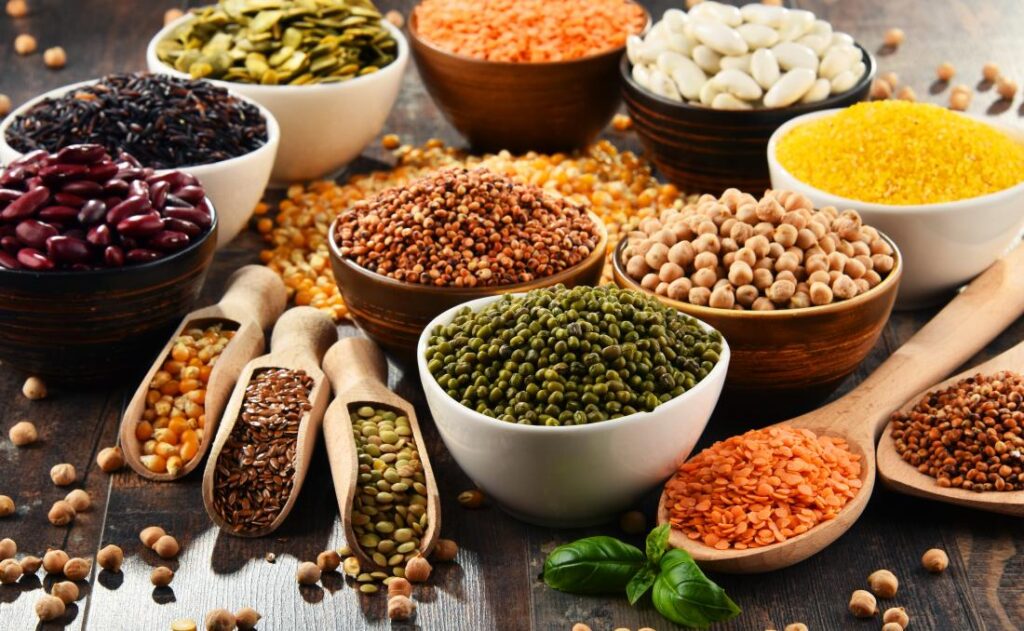
- Legumes (e.g., lentils, chickpeas)
- Fresh fruits and vegetables
- Whole grains like brown rice and quinoa
- Nuts and seeds (e.g., almonds, flaxseeds)
These foods may help slow down the onset of menopause by:
- Regulating estrogen levels
- Providing essential nutrients for hormone production
- Supporting overall health and well-being
Other Lifestyle Choices to Consider
In addition to diet, other factors can influence your risk of premature menopause. Be mindful of:
- Exercise: Regular physical activity has been shown to reduce the risk of early menopause.
- Stress management: Chronic stress can disrupt hormone balance. Practice techniques like meditation or yoga to help cope.
Lifestyle Changes for Optimal Health
To maintain optimal health and reduce the risk of premature menopause, consider incorporating these lifestyle changes into your daily routine:
- Stay hydrated: Drink plenty of water throughout the day to support overall health.
- Get enough sleep: Aim for 7-8 hours of sleep per night to help regulate hormones.
- Engage in stress-reducing activities: Regularly practice relaxation techniques like meditation or yoga.
Supplements and Nutrition
While a balanced diet is essential, certain supplements may also support hormone balance. Consider incorporating the following into your daily routine:
- Omega-3 fatty acids: Support heart health and reduce inflammation.
- Vitamin D: Essential for bone health and immune function.
- Probiotics: Promote gut health and support immune system function.
Conclusion
While it’s impossible to completely prevent menopause, making informed lifestyle choices and adopting a balanced diet can significantly reduce your risk of premature menopause. By understanding the factors that contribute to this process and incorporating simple yet effective strategies into your daily life, you may be able to slow down the clock.
Frequently Asked Questions
- What is the average age of menopause?
- Can stress really affect hormone balance?
- Are there any specific foods that can help delay menopause?
- How does exercise impact menopause risk?
- Can certain medications trigger premature menopause?
These questions and answers will provide you with a deeper understanding of the complexities surrounding menopause and offer valuable insights for maintaining overall health and well-being.
Additional Resources
- The American College of Obstetricians and Gynecologists (ACOG) provides comprehensive information on menopause, including symptoms, diagnosis, and treatment options.
- The National Institutes of Health (NIH) offers a wealth of resources on menopause, including articles, videos, and clinical trials.
By taking an informed and proactive approach to your health, you can reduce the risk of premature menopause and maintain optimal well-being throughout your life.


