
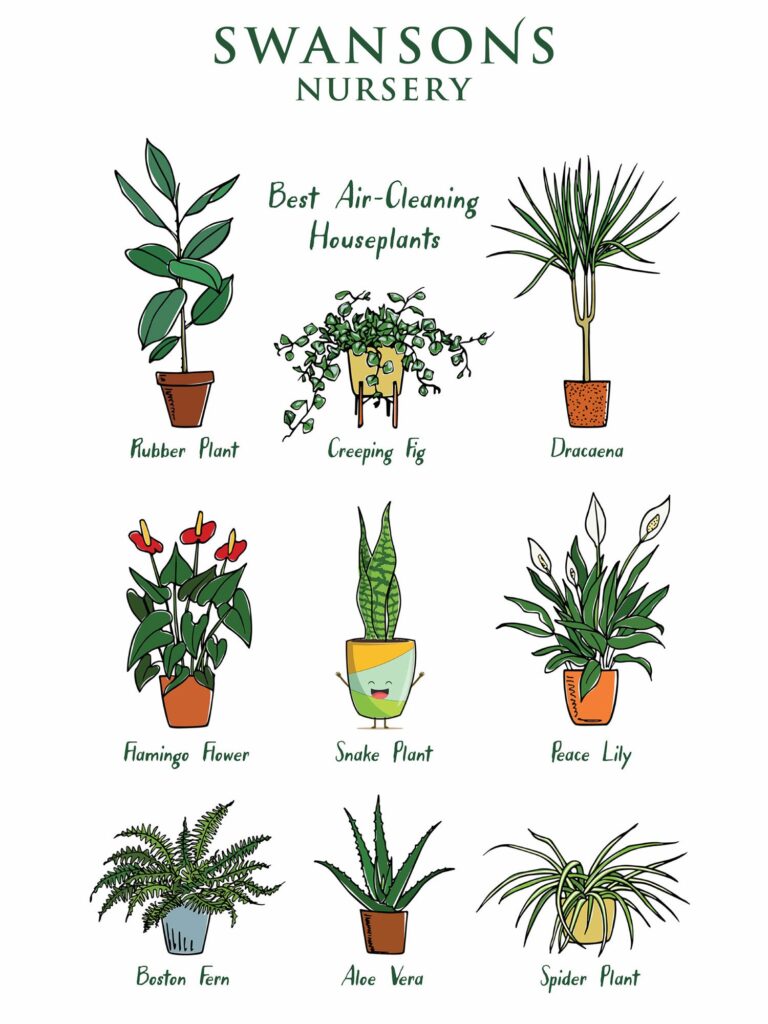
As the majority of apartment plants are tropical in origin and prefer bright, fresh environments with a moderate temperature range of 18-20 °C. Adequate humidity is also essential, with the soil being consistently moist but never waterlogged. However, even when optimal conditions are met, there are several factors that can threaten the health of your apartment plants.
The Greatest Threat to Apartment Plants
The most significant threat to apartment plants comes from human error in their care routine. Overwatering and overfertilization are the most common mistakes made by plant owners, followed closely by inadequate watering and no fertilization. In addition to these errors, there are also mortal threats from parasitic attacks.
Parasites that Attack Apartment Plants
Among the animal parasites that frequently attack apartment plants are aphids (or “caterpillars”) which prefer the new shoots and buds of plants. The whiteflies (aleurodidi) also pose a significant threat, favoring the lower page of leaves: when you shake the plant, they take flight and quickly settle back down, making them almost invisible.
Even more formidable are the ladybugs (white, cottony, and spotted), as well as the red spider mite, which can be difficult to spot with the naked eye. In the early stages of infestation, it’s essential to intervene with specific products that limit the impact, creating a more humid environment. All of these parasites dislike water and with a bit more humidity and leaf washing, many will disappear (if the attack is not severe).
To combat the red spider mite and aphids, organic preventative measures can be effective, such as using an herb macerate: you can either prepare it yourself or purchase a pre-made product.
Fungal Parasites
On the other hand, the most frequent threats to apartment plant health are fungal parasites. The white mold (oidium) forms a white powdery coating on the foliage, while the gray mold is a more serious threat. Unlike animal parasites, fungi thrive in humid environments and stagnant air. Therefore, it’s essential to strike a balance and have an organic antifungal ready for any situation.
Hidden Health Problems
Finally, there are hidden health problems that can compromise the well-being of apartment plants, which can be caused by human errors or gross mistakes in their care routine. The most common of these are related to proximity to heat sources such as radiators and poor soil quality. When repotting your plant, it’s essential to exercise caution.
Signs of Hidden Health Problems
Some signs that may indicate a hidden health problem include:
- Yellowing or discoloration of leaves
- Soft, mushy stems
- Slow growth or no growth at all
- Pests or insects on the plant
Tips for Maintaining Good Plant Health
To maintain good health, it’s essential to follow some simple tips and guidelines. Here are a few:
- Proper Lighting: Most plants need bright light to photosynthesize and grow well. However, direct sunlight can be harmful to some plants, so make sure to provide filtered or indirect light.
- Watering: Overwatering is one of the most common mistakes made by plant owners. Check the soil moisture regularly, and only water when necessary.
- Fertilization: Fertilize your plants regularly, but avoid overfertilizing. A balanced fertilizer will provide essential nutrients for growth and development.
- Pruning: Prune your plants regularly to maintain their shape and promote healthy growth.
- Repotting: Repot your plants every few months to provide fresh soil and a larger pot if necessary.
Common Plant Problems
Here are some common plant problems that you may encounter:
- Overwatering: Leaves will be soft and mushy, and the roots may rot.
- Underwatering: Leaves may turn yellow or brown, and the plant may become stunted.
- Pests: Aphids, whiteflies, and spider mites can all cause damage to plants.
- Fungal infections: White mold and gray mold can both be serious threats to plant health.
Organic Solutions
If you’re looking for organic solutions to common plant problems, here are a few options:
- Neem oil: Neem oil is a natural insecticide that can be used to control pests like aphids and whiteflies.
- Diatomaceous earth: Diatomaceous earth is a natural substance that can be used to repel insects and control fungal infections.
- Epsom salt: Epsom salt can help to improve soil quality and promote healthy growth.
Conclusion
In conclusion, apartment plants require proper care and attention to thrive. By following these guidelines and being aware of the potential threats to your plant’s health, you’ll be well on your way to creating a thriving indoor garden. Remember to always check for signs of hidden health problems and take prompt action if necessary. With a little knowledge and practice, you can keep your plants happy and healthy all year round.
Frequently Asked Questions
- What is the best temperature for my apartment plant?
- How often should I water my plant?
- Can I use chemical pesticides instead of organic products?
- How can I prevent fungal parasites from attacking my plant?
- What are some common hidden health problems that can affect apartment plants?
- How do I repot my apartment plant without causing damage to its roots?
- Can I grow plants indoors without sufficient light?
- What is the best way to care for a newly acquired potted plant?
Plant Care Resources
If you’re interested in learning more about specific plants and their care, check out these resources:
- Bromelia: Plant and Care
- Pachira Aquatica
- Sanseveria
- Guzmania
By following these guidelines and being aware of the potential threats to your apartment plant’s health, you’ll be well on your way to creating a thriving indoor garden.


