
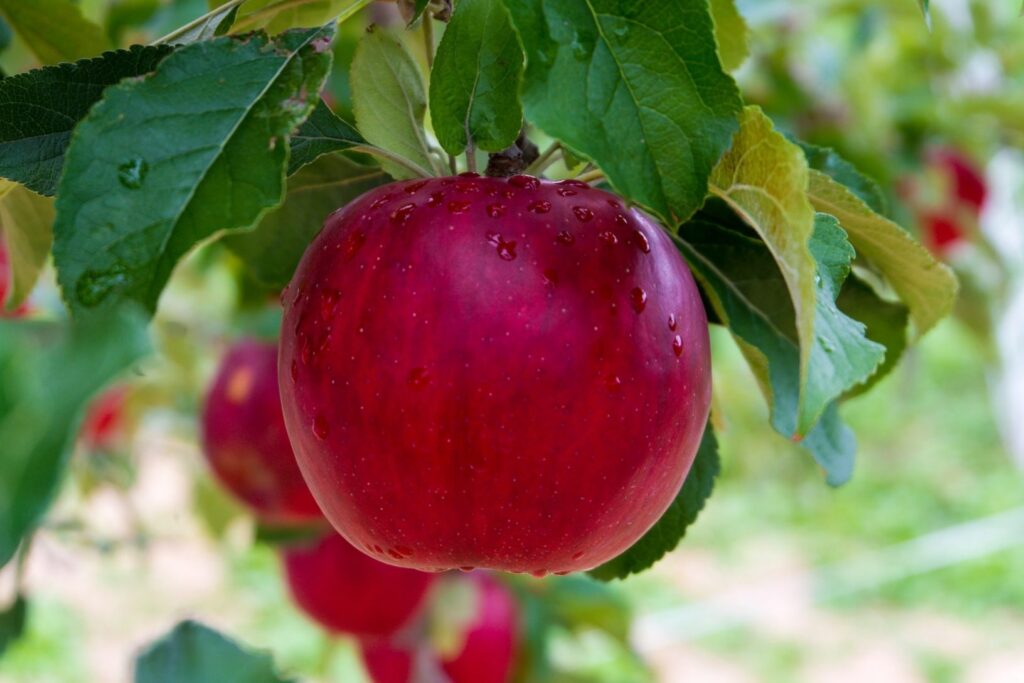
As a seasoned gardener, cultivating red fruits can be a highly rewarding experience. From the tangy taste of strawberries to the sweet flavor of raspberries, growing your own red fruits can add a new dimension to your gardening hobby.
When to Start Planting Red Fruits
Before we dive into the nitty-gritty of growing red fruits, it’s essential to know when to start planting them. In general, it’s recommended to plant red fruit varieties in early spring, around late March or early April, depending on your location and climate. This allows the plants to establish themselves before the heat of summer sets in.
Choosing the Right Soil for Red Fruits
When it comes to growing red fruits, soil quality is crucial. These plants prefer well-draining, fertile soils that are rich in organic matter. A mix of compost, manure, and peat moss can help create a perfect growing medium for your red fruit plants. Avoid planting in areas with standing water or where water tends to collect, as this can lead to root rot and other problems.
Common Red Fruits to Grow
Now that we’ve covered the basics, let’s take a look at some of the most popular red fruits you can grow:
- Strawberries
- Raspberries (both summer-bearing and fall-bearing)
- Blackberries
- Currants (including black currants, red currants, and white currants)
- Gooseberries
Growing Red Fruits: A Step-by-Step Guide
Here’s a step-by-step guide to growing your own red fruits:
Growing Strawberries
- Choose a variety of strawberry that suits your climate and desired harvest period.
- Plant the strawberries in early spring, spacing them about 12 inches apart.
- Water thoroughly after planting and keep the soil consistently moist during the first few weeks.
- Feed the plants with a balanced fertilizer once a month.
Growing Raspberries
- Choose a variety of raspberry that suits your climate and desired harvest period.
- Plant the raspberries in early spring, spacing them about 18 inches apart.
- Water thoroughly after planting and keep the soil consistently moist during the first few weeks.
- Prune the canes in late winter or early spring to promote healthy growth.
Growing Blackberries
- Choose a variety of blackberry that suits your climate and desired harvest period.
- Plant the blackberries in early spring, spacing them about 18 inches apart.
- Water thoroughly after planting and keep the soil consistently moist during the first few weeks.
- Prune the canes in late winter or early spring to promote healthy growth.
Growing Currants
- Choose a variety of currant that suits your climate and desired harvest period.
- Plant the currants in early spring, spacing them about 12 inches apart.
- Water thoroughly after planting and keep the soil consistently moist during the first few weeks.
- Feed the plants with a balanced fertilizer once a month.
Growing Gooseberries
- Choose a variety of gooseberry that suits your climate and desired harvest period.
- Plant the gooseberries in early spring, spacing them about 12 inches apart.
- Water thoroughly after planting and keep the soil consistently moist during the first few weeks.
- Feed the plants with a balanced fertilizer once a month.
Common Problems When Growing Red Fruits
While growing red fruits can be a rewarding experience, there are several common problems you may encounter:
- Pests: Aphids, whiteflies, and spider mites can all cause damage to your red fruit plants.
- Diseases: Powdery mildew, leaf spot, and root rot can all affect the health of your plants.
Tips for a Successful Harvest
To ensure a successful harvest, follow these tips:
- Water consistently: Keep the soil consistently moist during the growing season, but avoid overwatering.
- Fertilize regularly: Feed your plants with a balanced fertilizer once a month to promote healthy growth.
- Prune regularly: Prune your plants in late winter or early spring to promote healthy growth and encourage fruiting.
Conclusion
Growing red fruits can be a fun and rewarding experience, but it requires careful planning and attention to detail. By following these tips and guidelines, you can enjoy a bountiful harvest of delicious and nutritious red fruits all season long.
Frequently Asked Questions (FAQs)
- When is the best time to plant red fruit varieties?
The best time to plant red fruit varieties depends on your location and climate. In general, it’s recommended to plant in early spring, around late March or early April. - What type of soil do red fruits prefer?
Red fruits prefer well-draining, fertile soils that are rich in organic matter. - How often should I water my red fruit plants?
Keep the soil consistently moist during the growing season, but avoid overwatering. - What pests and diseases can affect red fruit plants?
Common pests include aphids, whiteflies, and spider mites. Common diseases include powdery mildew, leaf spot, and root rot. - How often should I fertilize my red fruit plants?
Feed your plants with a balanced fertilizer once a month to promote healthy growth.
Advanced Techniques for Growing Red Fruits
For experienced gardeners, here are some advanced techniques you can try to take your red fruit growing to the next level:
- Companion Planting: Plant different types of vegetables and fruits together to create a diverse and thriving ecosystem.
- Mulching: Mulch around your plants to retain moisture, suppress weeds, and regulate soil temperature.
- Pruning: Prune your plants regularly to promote healthy growth and encourage fruiting.
- Support: Provide support for your plants as they grow, using stakes or trellises to keep them upright.
Common Mistakes to Avoid When Growing Red Fruits
Even with careful planning and attention to detail, mistakes can happen. Here are some common mistakes to avoid when growing red fruits:
- Overwatering: Don’t overwater your plants, as this can lead to root rot and other problems.
- Underwatering: On the other hand, don’t underwater your plants either, as this can cause stress and reduce fruit production.
- Poor Soil Quality: Avoid planting in areas with poor soil quality, as this can affect the health of your plants.
Conclusion
Growing red fruits can be a fun and rewarding experience, but it requires careful planning and attention to detail. By following these tips and guidelines, you can enjoy a bountiful harvest of delicious and nutritious red fruits all season long.
I hope this comprehensive guide has provided you with the information and inspiration needed to grow delicious and nutritious red fruits all season long!


