
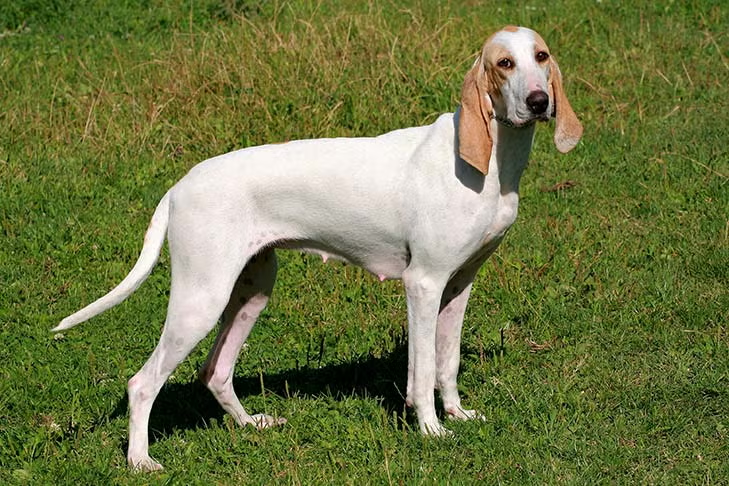
What is a Porcelaine?
Porcelaine, meaning “porcelain” in French, is a unique dog breed known for its elegant appearance and sturdy build. Despite its refined look, this breed is not suitable for indoor living or handling as a pet. The Porcelaine’s strength lies in its hunting abilities, making it an excellent companion for outdoor enthusiasts.
The history of the Porcelaine dates back to ancient times, with evidence of the breed existing as early as the 16th century. Initially used for hunting small game, such as rabbits and hares, the Porcelaine quickly gained popularity among French aristocrats for its exceptional speed and agility. However, during the French Revolution, the breed’s population declined significantly due to a lack of breeding and selective breeding practices.
Physical Characteristics: A Breed Apart
The male Porcelaine stands approximately 55-58 cm tall at the shoulder, while females are about 5 cm shorter on average. Its build is similar to that of Greyhounds, with a large and slightly square torso, exuding balance and harmony. The limbs are lean but powerful, making every movement a testament to its strength.
The Porcelaine’s coat is renowned for its unique coloring, described as ruffled, fine, tight, and bright. A warm white color can be marked with orange in rounded areas, which should never extend beyond the rest of the body. The dark skin underneath these areas adds depth to its distinctive appearance.
Distinctive Features
A Porcelaine’s tail is robust at the base, tapering towards the end, and is quite long and curved. Its head follows the typical Greyhound shape, with a large black nose and an intelligent yet gentle expression. The eyes are dark and well-set, conveying sweetness and attention to everything around it. The ears are long to the base but thin and slightly curved, with a pointed tip.
Unique Coat Coloration
The Porcelaine’s coat coloration is its most distinctive feature. The warm white color can be marked with orange in rounded areas, which should never extend beyond the rest of the body. This unique coloring pattern gives the breed its characteristic appearance, making it easily recognizable.
The Breed’s Hunting Ability
The Porcelaine is a breed that has retained its hunting prowess over time, making it suitable for outdoor activities and free-roaming adventures. Its strong character and abundance of energy enable it to chase after wild animals with great tenacity. However, when at rest, the breed can change moods, becoming sweet, gentle, calm, friendly, and extremely affectionate towards family members and children.
Breed History: From Disappearance to Revival
The Porcelaine’s history is marked by both disappearance and revival. The French Revolution led to its decline, but the dedication of passionate breeders from Switzerland in 1845 brought it back to life. Today, this breed can be found in various parts of Europe, including Italy and France.
Breeding and Rarity
In Italy, there are only a few Porcelaine breeds left in the country, primarily found in Perugia and Umbria. The ENCI website lists one known breeder who also raises Arigeois dogs. In contrast, France boasts a larger population due to its status as an ancient breed among Greyhounds.
Price and Considerations
Accurately determining the price of a Porcelaine requires contacting the breeder through the ENCI website. It is essential to consider the breed’s potential flaws, which include non-ligamentous limbs, poor coloration, excessive coat length, light-colored eyes, aggressive behavior, or timidity.
Conclusion: A Breed for the Discerning Owner
The Porcelaine is a unique and captivating breed that requires careful consideration from prospective owners. Its elegance, strength, and hunting ability make it an excellent companion for outdoor enthusiasts. With its rich history and dedication to preserving this breed, the Porcelaine promises to be a loyal and loving companion for those who are willing to provide the necessary care and attention.
Frequently Asked Questions
- What is the average height of a male and female Porcelaine?
A male Porcelaine stands approximately 55-58 cm tall at the shoulder, while females are about 5 cm shorter on average. - What is unique about the Porcelaine’s coat coloration?
The Porcelaine’s coat features a warm white color with orange markings in rounded areas, which should never extend beyond the rest of the body. - Is the Porcelaine a suitable breed for indoor living?
No, due to its strength and energetic nature, the Porcelaine is not recommended for indoor living or handling as a pet. - What are some potential flaws in the Porcelaine breed?
Some common defects include non-ligamentous limbs, poor coloration of the coat, excessive length of the coat, light-colored eyes, aggressive behavior, or timidity. - Where can I find more information about the Porcelaine breed?
The ENCI website provides valuable insights into the breed’s history, characteristics, and available breeders. - Is the Porcelaine a rare breed?
Yes, due to its limited population in Italy and France, the Porcelaine is considered a rare breed. - What is the recommended approach for acquiring a Porcelaine?
Contacting the breeder through the ENCI website is essential for accurately determining the price and ensuring a healthy puppy. - How often should I exercise my Porcelaine?
Regular outdoor activities and free-roaming adventures are necessary to maintain the breed’s physical and mental health.
Additional Tips for Owning a Porcelaine
- Provide regular grooming sessions to keep the breed’s coat in good condition.
- Make sure the Porcelaine has access to adequate space for exercise and playtime.
- Establish clear boundaries and training methods early on to help the Porcelaine develop into a well-behaved companion.
- Consider investing in dog insurance, as the breed is prone to certain health issues.
- Keep in mind that the Porcelaine’s hunting ability can be overwhelming at times; provide adequate supervision and caution when exercising your dog.
Health Considerations for Porcelaines
Porcelaines are generally a healthy breed, but like any other canine, they can suffer from various health issues. Some common problems include:
- Hip dysplasia: A genetic disorder that affects the hip joint, leading to arthritis and mobility issues.
- Heart disease: A condition that affects the heart’s structure and function, causing symptoms such as coughing and difficulty breathing.
- Eye problems: Porcelaines are prone to eye issues like cataracts, progressive retinal atrophy, and corneal ulcers.
Regular veterinary check-ups and genetic testing can help identify potential health concerns early on. With proper care and attention, the Porcelaine can lead a long and happy life as a beloved companion.
Conclusion
The Porcelaine is an enchanting breed that captivates hearts with its elegance, strength, and hunting ability. As a unique and captivating breed, it requires careful consideration from prospective owners. By understanding the breed’s history, characteristics, and potential flaws, you can provide the necessary care and attention to ensure a happy and healthy relationship between you and your Porcelaine.
Final Thoughts
The Porcelaine is an extraordinary breed that stands out among its fellow Greyhounds due to its unique features and hunting prowess. With dedication, passion, and proper care, this breed promises to be an unforgettable companion for those willing to provide the necessary attention and love.
Whether you’re a seasoned dog owner or considering adding a new furry friend to your family, the Porcelaine is definitely worth exploring further. Its captivating appearance, energetic personality, and hunting ability make it an excellent choice for outdoor enthusiasts seeking a loyal and loving companion by their side.


