
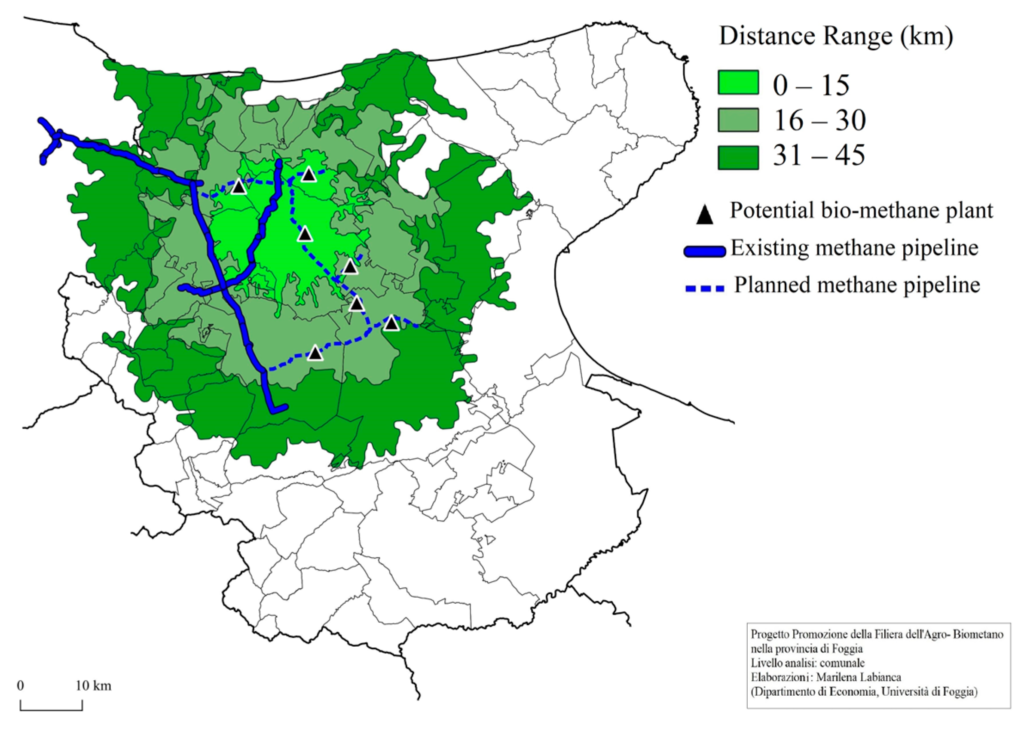
As we strive to reduce our reliance on fossil fuels and mitigate the effects of climate change, a growing number of experts believe that agricultural waste can play a crucial role in the transition to a more sustainable energy future. In this article, we’ll explore the potential of agroenergy, its benefits, and the challenges that lie ahead.
What is Agroenergy?
Agroenergy refers to the production of energy from organic materials, such as crop residues, food waste, and animal manure. These resources can be harnessed to generate heat, electricity, or biofuels, offering a cleaner and more sustainable alternative to traditional fossil fuels. In this article, we’ll delve into the world of agroenergy and explore its potential to contribute to a low-carbon economy.
The Economic Potential of Agroenergy
According to the Agroenergia Observatory, the production of agroenergy has the potential to generate €16 billion in annual revenue. This staggering figure is based on the idea that by utilizing agricultural waste, we can produce energy worth €15.8 billion per year. That’s a significant source of income for farmers and rural communities.
How Does Agroenergy Compare to Traditional Energy Sources?
To put agroenergy into perspective, let’s compare it to traditional energy sources. A megawatt (MW) of electricity is equivalent to the energy produced by one million kilograms of coal or 230,000 liters of oil. In terms of greenhouse gas emissions, agroenergy generates significantly fewer emissions than traditional fossil fuels.
The Role of Agroenergy in Reducing Emissions
By harnessing the potential of agricultural waste, we can reduce our reliance on fossil fuels and lower greenhouse gas emissions. According to the International Energy Agency (IEA), the production of agroenergy could contribute to a 5% reduction in Italy’s energy consumption.
The Challenges Facing Agroenergy
While the potential of agroenergy is vast, there are several challenges that need to be addressed. One major obstacle is the lack of infrastructure for treating and processing agricultural waste. This can make it difficult to scale up production and create a reliable source of energy.
Regional Variations in Agroenergy Potential
Different regions have varying levels of potential for agroenergy production. For example, Puglia, Campania, Trentino-Alto Adige, and Lombardy are among the top regions for agroenergy production. However, these regions also face challenges related to infrastructure development.
Case Study: Italy’s Agroenergy Potential
Italy has significant potential for agroenergy production, with an estimated annual revenue of €16 billion. However, the country still needs to address its legislative and regulatory framework to unlock this potential. One major challenge is the lack of coordination between different stakeholders, including farmers, policymakers, and industry experts.
Policy Support for Agroenergy Development
To overcome the challenges facing agroenergy development, policy support is crucial. Governments can implement policies such as tax incentives, subsidies, and funding programs to support agroenergy development. Additionally, regulatory frameworks can be put in place to ensure that agroenergy production is carried out safely and efficiently.
Benefits of Agroenergy for Farmers
Agroenergy has the potential to provide significant benefits for farmers. By utilizing agricultural waste as a feedstock for energy production, farmers can generate income from resources that would otherwise be wasted. This can help to improve farm profitability and reduce environmental impacts associated with crop production.
Environmental Benefits of Agroenergy
In addition to reducing greenhouse gas emissions, agroenergy also offers several environmental benefits. For example, the production of biofuels from agricultural waste can help to reduce dependence on fossil fuels and lower air pollution from transportation. Furthermore, agroenergy can help to mitigate soil degradation and promote sustainable land use practices.
Social Benefits of Agroenergy
Agroenergy also has significant social benefits. By providing energy access to rural communities, agroenergy can help to improve living standards and reduce poverty. Additionally, agroenergy can create employment opportunities in rural areas, helping to stimulate local economies.
Technological Advancements in Agroenergy
Technological advancements are crucial for the development of agroenergy. New technologies, such as anaerobic digestion systems and gasification processes, offer improved efficiency and reduced costs compared to traditional methods of energy production from agricultural waste.
The Future of Agroenergy
As we look to the future, it’s clear that agroenergy has a critical role to play in reducing our reliance on fossil fuels and mitigating climate change. To unlock this potential, governments, industry experts, and farmers must work together to address the challenges facing agroenergy development.
Conclusion
Agroenergy has the potential to play a crucial role in contributing to a low-carbon economy. With the right policies and infrastructure, we can unlock this potential and create a more sustainable energy future. By harnessing the power of agricultural waste, we can reduce our reliance on fossil fuels, lower greenhouse gas emissions, and promote sustainable land use practices.
Recommendations
Based on our analysis, we recommend that policymakers implement the following measures to support agroenergy development:
- Establish clear regulatory frameworks for agroenergy production.
- Provide funding programs and subsidies to support agroenergy projects.
- Implement policies to encourage coordination between different stakeholders in agroenergy development.
- Promote public awareness campaigns to raise awareness about the benefits of agroenergy.
Appendix
The following appendices provide additional information on the potential of agroenergy:
- Appendix A: Agroenergia Observatory’s estimate of agroenergy potential
- Appendix B: Comparison of greenhouse gas emissions from different energy sources
- Appendix C: Policy recommendations for supporting agroenergy development
By working together, we can unlock the full potential of agroenergy and create a more sustainable energy future.


