
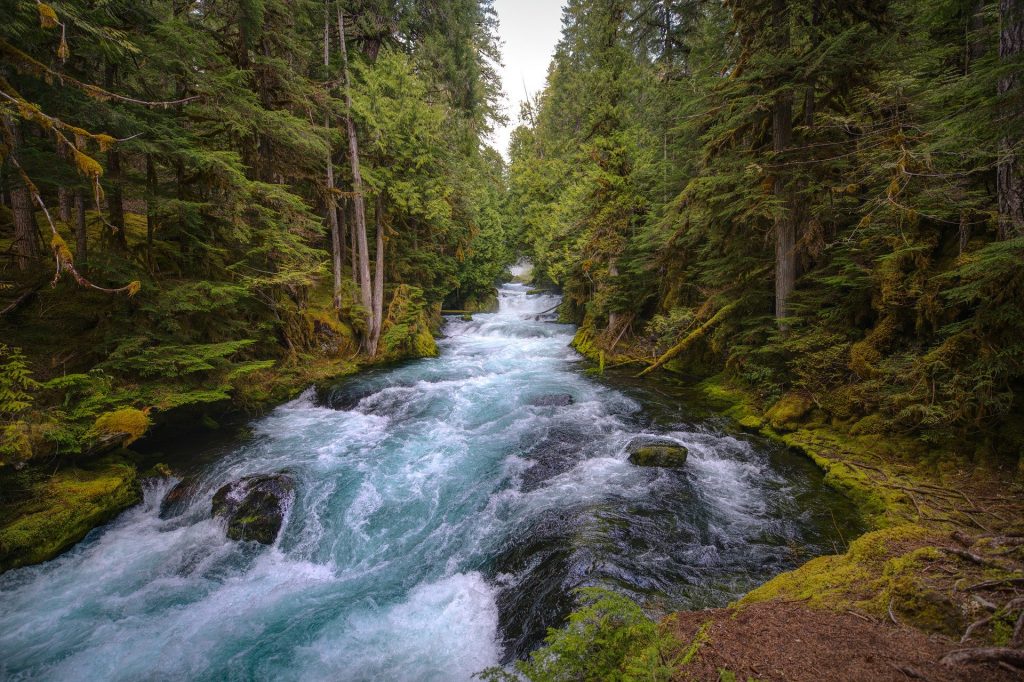
As we sit down to enjoy a meal at our favorite restaurant, the term “river discharge” might seem unrelated to our daily needs. However, it’s an essential parameter that helps us understand how much water is flowing through a river and its speed. In this article, we’ll delve into the world of river discharge, exploring what it means, how it’s measured, and why it’s crucial for understanding flood risks and designing infrastructure projects.
What is River Discharge?
River discharge refers to the volume of water that flows through a section of a river in a given unit of time. This parameter varies depending on the point where it’s measured, as different sections of the river may have varying cross-sections and flow speeds. To illustrate this concept, imagine a river with multiple bends, each with its own unique width and depth. The discharge would fluctuate along the length of the river, from its source to its mouth.
Measuring River Discharge
To determine river discharge, scientists use various methods, including:
- Hydrometry: measuring the water level, flow speed, and discharge at different points along the river
- Sensors and instruments: using sensors and instruments such as current meters, ultrasonic current profilers, and acoustic Doppler current profilers (ADCPs) to measure the flow speed and direction of the water
- Modelling: using mathematical models to simulate the behavior of rivers and estimate discharge
Types of Discharge Measurements
There are several types of discharge measurements, including:
- Volumetric discharge: measures the volume of water flowing through a specific section of the river
- Mass discharge: measures the amount of water flowing through a specific section of the river in terms of mass
- Molecular discharge: measures the number of molecules passing through a specific section of the river per unit time
Calculating River Discharge
To calculate the discharge, we use the formula Q = A \* v, where Q is the discharge, A is the cross-sectional area of the river, and v is the flow speed. However, calculating the mean discharge requires measuring the discharge at multiple points along the river.
Here’s a step-by-step guide to calculating the mean discharge:
- Measure the water level and flow speed at different points along the river
- Use current meters or ADCPs to measure the velocity of the water
- Calculate the volume of water flowing through each point using the formula
Q = A \* v - Calculate the mean discharge by taking the average of the discharges measured at each point
Tools for Measuring River Discharge
There are several tools available for measuring river discharge, including:
- Current meters: measure the velocity of the water
- Ultrasonic current profilers (UCPs): use sound waves to measure the flow speed and direction of the water
- Acoustic Doppler current profilers (ADCPs): use sound waves to measure the flow speed and direction of the water
- Water level sensors: measure the height of the water in the river
Real-World Applications
River discharge is an essential parameter for understanding flood risks and designing infrastructure projects. Here are some real-world applications:
- Flood risk assessment: river discharge helps assess the risk of flooding in a given area
- Dam design: knowing the discharge can help designers build dams that can withstand floods
- Water supply planning: river discharge informs decisions about water allocation and supply
- Navigation and transportation: river discharge affects navigation and transportation, as it influences the depth and flow speed of rivers
Frequently Asked Questions
Here are some frequently asked questions related to river discharge:
- Q: What is the unit of measurement for river discharge?
A: The unit of measurement for river discharge is cubic meters per second (m³/s). - Q: How do I calculate the mean discharge?
A: To calculate the mean discharge, you need to measure the discharge at multiple points along the river and take the average. - Q: What are some common applications of river discharge?
A: River discharge is used in flood risk assessment, dam design, water supply planning, navigation and transportation, and other fields.
Case Studies
Here are a few case studies that demonstrate the importance of understanding river discharge:
- The Mississippi River Flood of 1927: The massive flood on the Mississippi River led to widespread devastation and loss of life. Understanding river discharge played a crucial role in assessing the risk of flooding and designing dams to mitigate its effects.
- The Colorado River Basin Management Program: This program aims to manage the water resources of the Colorado River basin, which includes several major reservoirs and hydroelectric power plants. The program relies heavily on understanding river discharge to optimize water allocation and minimize conflicts between different users.
- The Thames Estuary 2100 Flood Resilience Plan: This plan aimed to mitigate the flood risk in London’s Thames Estuary by reducing storm surges, improving drainage systems, and enhancing resilience measures. Understanding river discharge was essential in developing this plan.
Conclusion
River discharge is a complex parameter that plays a vital role in understanding the behavior of rivers and their impact on human societies. By measuring and analyzing river discharge, we can better appreciate the dynamics of our rivers, design more effective infrastructure projects, and mitigate flood risks. In conclusion, understanding river discharge is essential for managing water resources sustainably and mitigating the impacts of flooding on communities worldwide.
Additional Resources
If you’re interested in learning more about river discharge, here are some additional resources:
- American Society for Civil Engineers (ASCE): ASCE publishes research papers and guidelines on river discharge and flood risk management.
- US Geological Survey (USGS): USGS provides data and tools for measuring river discharge and assessing flood risks.
- International Union of Hydrological Sciences (IUHS): IUHS publishes research papers and guidelines on river discharge and hydrology.
By exploring these resources, you can deepen your understanding of river discharge and its importance in managing water resources sustainably.


