
Introduction
As the world shifts towards a more sustainable future, innovative solutions like solar greenhouses are gaining attention. These structures harness the power of the sun to provide energy-efficient heating, cooling, and lighting for homes and buildings. In this article, we’ll delve into the world of solar greenhouses, exploring their benefits, regulations, and installation costs.
What is a Solar Greenhouse?
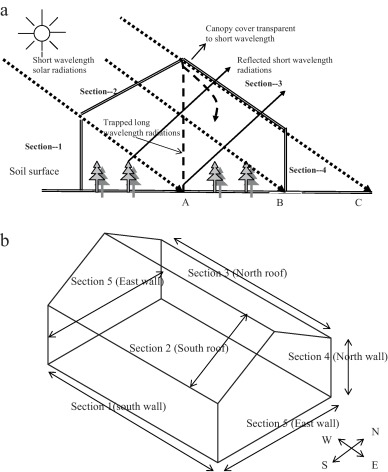
A solar greenhouse is a type of passive solar building that uses transparent materials like glass or plastic to let sunlight in, while keeping heat and cold out. This design allows for natural heating during winter and cooling during summer, reducing the need for mechanical systems.
Unlike traditional greenhouses, which rely on external heating sources, solar greenhouses are designed to work independently, using only solar radiation as their primary energy source. This approach provides several benefits, including reduced energy consumption, lower greenhouse gas emissions, and increased energy independence.
Solar Greenhouse vs. Traditional Greenhouses
While both types of greenhouses aim to provide a climate-controlled environment for plants, there are significant differences between them:
- Energy Source: Solar greenhouses rely solely on solar radiation, whereas traditional greenhouses often use external heating sources like propane or electricity.
- Design and Materials: Solar greenhouses typically feature transparent materials, while traditional greenhouses may employ various materials, including glass, polycarbonate, or polyethylene films.
- Purpose: Solar greenhouses are designed for energy efficiency and sustainability, whereas traditional greenhouses often focus on providing a controlled environment for plant growth.
Regulations and Compliance
Before building a solar greenhouse, it’s essential to comply with local regulations and obtain necessary permits. These requirements may vary depending on the location, type of structure, and intended use:
- Zoning Regulations: Check with your local government to determine if there are any zoning restrictions or guidelines for solar greenhouses in your area.
- Building Codes: Ensure that your solar greenhouse meets all relevant building codes and standards for energy efficiency, safety, and accessibility.
- Environmental Impact: Consider the environmental impact of your solar greenhouse and ensure that it doesn’t harm local ecosystems or wildlife habitats.
Costs and Installation
The cost of a solar greenhouse can vary widely depending on factors like size, materials, and installation complexity:
- Initial Investment: The upfront cost of a solar greenhouse can range from a few thousand dollars to tens of thousands of dollars.
- Maintenance and Upgrades: Regular maintenance and potential upgrades may add to the overall cost of ownership.
Designing Your Solar Greenhouse
When designing your solar greenhouse, consider the following factors:
- Size: Determine the optimal size for your solar greenhouse based on your available space and intended use.
- Orientation: Ensure that your solar greenhouse is oriented towards the sun to maximize natural heating and cooling.
- Materials: Choose materials that provide excellent insulation, durability, and transparency, such as glass or polycarbonate.
- Ventilation: Incorporate ventilation systems to regulate temperature and humidity levels inside the greenhouse.
Maintenance and Upkeep
Regular maintenance is crucial to ensure the longevity and efficiency of your solar greenhouse:
- Cleaning: Clean the surfaces regularly to prevent dirt and debris from accumulating and reducing sunlight penetration.
- Inspections: Perform routine inspections to check for damage, wear and tear, and potential issues with insulation or ventilation systems.
- Upgrades: Consider upgrading components as needed to ensure optimal performance and energy efficiency.
Conclusion
Solar greenhouses offer an exciting solution for energy-efficient living, providing a sustainable way to harness the power of the sun. By understanding the benefits, regulations, and installation costs associated with solar greenhouses, you can make an informed decision about whether this innovative technology is right for your needs.
Here are some frequently asked questions related to solar greenhouses:
FAQs
- What is the best orientation for a solar greenhouse?
- The ideal orientation for a solar greenhouse depends on your location and climate. In general, south-facing orientations receive more sunlight throughout the day.
- How much space do I need for a solar greenhouse?
- The required space for a solar greenhouse varies depending on its size and intended use. A typical solar greenhouse can range from 10 to 50 square feet (1-4.5 square meters) in size.
- What materials are best suited for a solar greenhouse?
- Transparent materials like glass, polycarbonate, or polyethylene films are commonly used for solar greenhouses due to their ability to let sunlight in while keeping heat and cold out.
- Can I use a solar greenhouse for both heating and cooling?
- Yes, solar greenhouses can be designed to provide both heating and cooling during different seasons. However, this may require additional insulation, shading devices, or ventilation systems.
- How do I maintain my solar greenhouse?
- Regular maintenance is crucial to ensure the longevity and efficiency of your solar greenhouse. This includes cleaning the surfaces, checking for damage, and performing routine inspections.
Further Reading
By understanding the benefits, regulations, and installation costs associated with solar greenhouses, you can make an informed decision about whether this innovative technology is right for your needs.


