
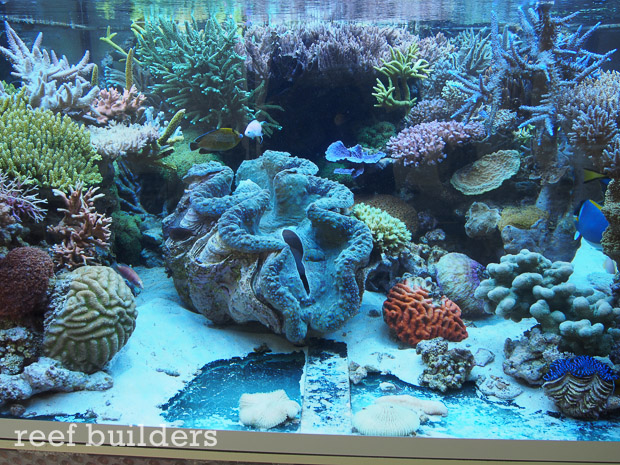
As an aquarium enthusiast, you may have come across the majestic Tridacna, also known as the “giant clam.” These large bivalves are indeed a prized catch among marine aquarists. In this article, we will delve into the world of Tridacna, exploring their various species, habitats, and care requirements.
What is Tridacna?
Tridacna refers to a genus of large bivalve mollusks that belong to the family Cardiidae. Like other corals, they live in symbiosis with zooxanthellae, which help them photosynthesize and provide nutrients. However, unlike corals, Tridacna are filter feeders that require a diet rich in organic matter.
Choosing the Right Species
There are several species of Tridacna available in the market, each with unique characteristics and requirements. Before selecting a species for your aquarium, it’s essential to research their specific needs and habitat preferences.
Here’s a brief overview of three popular Tridacna species:
Tridacna gigas (Giant Clam)
Originating from the Indo-Pacific region, Tridacna gigas is one of the most widely available species. They can grow up to 132 cm in length and are known for their vibrant colors, which include shades of blue, green, and yellow.
Tridacna maxima (Maximus Clam)
Hailing from the same region as Tridacna gigas, Tridacna maxima is another popular species. They can reach lengths of up to 90 cm and are characterized by their intense coloration, which includes shades of violet, blue, and green.
Tridacna squamosa (Square-shouldered Clam)
Native to the Indo-Pacific region as well, Tridacna squamosa is a smaller species that can grow up to 60 cm in length. Their mantles are often composed of a combination of colors, including marron, yellow, and green.
Habitat and Care Requirements
All Tridacna species require specific care and housing conditions. Here are some general guidelines:
- Provide a substrate with good water circulation to prevent sedimentation.
- Maintain water parameters within the following ranges:
- pH: 8-8.4
- Alkalinity: 2.5-3 meq/L
- Calcium: 380-430 mg/L
- Magnesium: 1350 mg/L
- Strontium: 8-10 mg/L
- Iodine: 1-2 ppm
- Feed your Tridacna a diet rich in organic matter, including phytoplankton and algae.
- Monitor water parameters regularly to ensure optimal conditions.
Tips for Keeping Tridacna Healthy
Here are some additional tips for keeping your Tridacna healthy:
- Avoid overfeeding, as this can lead to digestive issues.
- Provide plenty of hiding places and visual barriers to reduce stress.
- Maintain a stable water temperature between 24-28°C (75-82°F).
- Be prepared to spend time and money on maintaining optimal water conditions.
Common Challenges and Solutions
While keeping Tridacna can be rewarding, there are some common challenges that aquarists may face. Here are some solutions:
Parasite Infestations
One of the most common issues faced by Tridacna keepers is parasite infestations. To prevent this, it’s essential to maintain good water quality and provide a balanced diet.
- Regularly inspect your Tridacna for signs of parasites, such as white spots or patches on the shell.
- Use a parasite treatment specifically designed for marine mollusks.
- Maintain optimal water parameters, including pH, alkalinity, and calcium levels.
Mucus Buildup
Another common issue faced by Tridacna keepers is mucus buildup. This can lead to digestive issues and stress in the animal.
- Provide a balanced diet that includes plenty of organic matter.
- Regularly clean the aquarium and remove any debris or waste.
- Maintain optimal water parameters, including pH, alkalinity, and calcium levels.
Breeding Tridacna
Breeding Tridacna can be challenging, as they require specific conditions and are prone to genetic disorders. However, with proper care and attention, breeding Tridacna can be a rewarding experience.
- Provide a suitable environment for breeding, including a large tank with plenty of hiding places.
- Maintain optimal water parameters, including pH, alkalinity, and calcium levels.
- Feed the animals a balanced diet rich in organic matter.
- Monitor the eggs regularly and provide adequate care to ensure their survival.
Conclusion
Keeping Tridacna in aquariums can be a rewarding experience, but it requires careful planning, attention to detail, and dedication. By understanding the specific needs of these majestic creatures, you can create a thriving environment that showcases their beauty and provides them with the best possible care.
Frequently Asked Questions (FAQs)
- What is the average lifespan of Tridacna in aquariums?
- The average lifespan of Tridacna in aquariums is around 10-15 years, but some individuals have been known to live up to 20 years.
- Can Tridacna be kept with other marine animals?
- While it’s possible to keep Tridacna with other marine animals, it’s essential to research compatibility and ensure that all species have similar requirements.
- How often should I feed my Tridacna?
- Feed your Tridacna a diet rich in organic matter, including phytoplankton and algae, at least three times a week. However, the frequency of feeding may vary depending on the size and age of the individual.
- What is the recommended water temperature for Tridacna?
- Maintain a stable water temperature between 24-28°C (75-82°F) to ensure optimal health and well-being.
- Can I breed my own Tridacna in aquariums?
- Breeding Tridacna can be challenging, as they require specific conditions and are prone to genetic disorders. It’s recommended to purchase from reputable breeders or aquarists who have experience with the species.
By answering these frequently asked questions and following the guidelines outlined in this article, you’ll be well on your way to creating a thriving environment for your Tridacna and enjoying the beauty of these majestic creatures up close.


