
As a homeowner, choosing the right irrigation system for your garden or yard can be overwhelming. With numerous types of systems available, it’s essential to consider factors such as water availability, soil type, climate, and plant species when making your decision. In this article, we’ll explore the different types of irrigation systems, their benefits, and how to choose the best one for your needs.
Why Choose an Irrigation System?
An irrigation system can be a game-changer for gardeners and homeowners who want to ensure their plants receive the right amount of water. Not only does it conserve water, but it also promotes healthy plant growth and reduces maintenance tasks. With an irrigation system, you can:
- Reduce water waste by up to 70%
- Lower your water bills
- Enjoy a beautiful, lush garden with minimal effort
Types of Irrigation Systems
There are several types of irrigation systems available, each with its unique features and benefits. Here are some of the most common types:
- Drip Irrigation: This system delivers water directly to the roots of plants through small tubes and emitters. It’s an efficient way to conserve water and reduce evaporation.
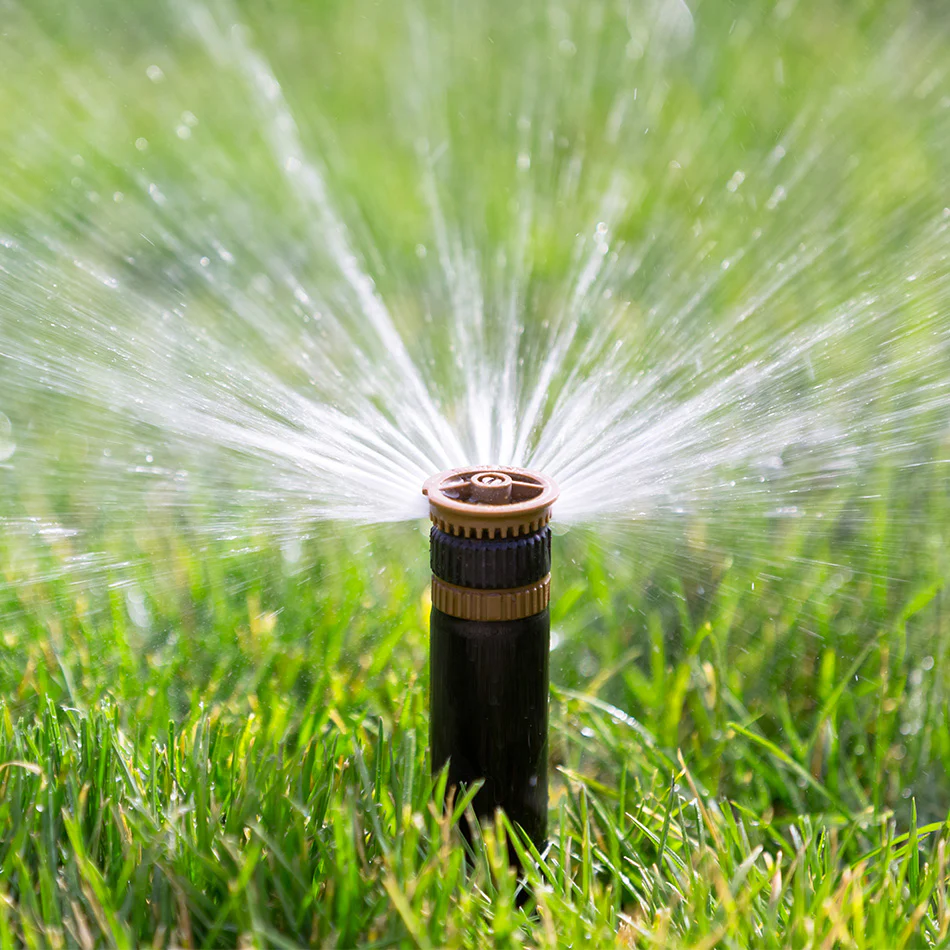
- Sprinkler Irrigation: This system uses sprinklers to distribute water over a large area. It’s ideal for lawns, fields, and agricultural areas.
- Soaker Hose Irrigation: This system uses a hose with small holes that release water slowly along its length. It’s perfect for gardens, patios, and walkways.
Choosing the Right Irrigation System
When choosing an irrigation system, consider the following factors:
- Water availability: If you have limited water supply, consider a drip or soaker hose system.
- Soil type: If your soil is sandy or dry, choose a sprinkler system to ensure adequate moisture.
- Climate: If you live in an area with high temperatures or droughts, consider a drip or soaker hose system to conserve water.
DIY Irrigation Systems
If you’re comfortable with DIY projects, you can create your own irrigation system using simple materials like PVC pipes and fittings. Here’s a basic guide:
- Plan Your System: Determine the size of your garden or yard and plan your irrigation layout.
- Choose Your Materials: Select the necessary materials, such as PVC pipes, fittings, and valves.
- Install Your System: Follow online tutorials or consult with a professional to ensure proper installation.
Benefits of Irrigation Systems
Irrigation systems offer several benefits for gardeners and homeowners:
- Water Conservation: Irrigation systems help conserve water by reducing evaporation and runoff.
- Increased Crop Yields: Proper irrigation can increase crop yields and improve plant growth.
- Reduced Maintenance: Irrigation systems can reduce maintenance tasks, such as watering plants manually.
Types of Irrigation Controllers
Irrigation controllers play a crucial role in regulating the flow of water to your garden or yard. Here are some common types:
- Timers: Timers allow you to schedule irrigation cycles and ensure that your system is running at the right time.
- Sensors: Sensors detect soil moisture levels, weather conditions, and plant growth, allowing you to adjust watering schedules accordingly.
- Smart Controllers: Smart controllers use advanced algorithms to optimize water usage based on real-time data.
Irrigation System Maintenance
Regular maintenance is essential for ensuring that your irrigation system runs efficiently and effectively. Here are some tips:
- Clean the emitters: Regularly clean the emitters to prevent clogging and ensure proper water flow.
- Check the valves: Inspect the valves regularly to ensure they’re functioning properly.
- Monitor soil moisture: Keep an eye on soil moisture levels to adjust watering schedules accordingly.
FAQs
Here are some frequently asked questions about irrigation systems:
- Q: How much does an irrigation system cost?
A: The cost of an irrigation system varies depending on the type, size, and complexity of the system. On average, a basic drip irrigation system can cost between $50 to $500. - Q: Can I install an irrigation system myself?
A: Yes, you can install an irrigation system yourself if you’re comfortable with DIY projects. However, it’s recommended to consult with a professional if you’re unsure about any aspect of the installation process. - Q: How much water does an irrigation system use?
A: The amount of water used by an irrigation system depends on the type and size of the system. On average, a drip irrigation system uses up to 70% less water than traditional sprinkler systems.
Common Irrigation System Mistakes
Here are some common mistakes to avoid when installing an irrigation system:
- Incorrect sizing: Installing a system that’s too small or too large for your garden or yard can lead to inefficiencies and wasted water.
- Poor valve placement: Incorrectly placing valves can disrupt the flow of water, leading to reduced efficiency and increased maintenance costs.
- Inadequate soil moisture monitoring: Failing to monitor soil moisture levels regularly can result in overwatering or underwatering.
Conclusion
Choosing the right irrigation system for your garden or yard requires careful consideration of factors such as water availability, soil type, climate, and plant species. By understanding the benefits and types of irrigation systems, you can make an informed decision that meets your needs and promotes healthy plant growth while conserving water.


