
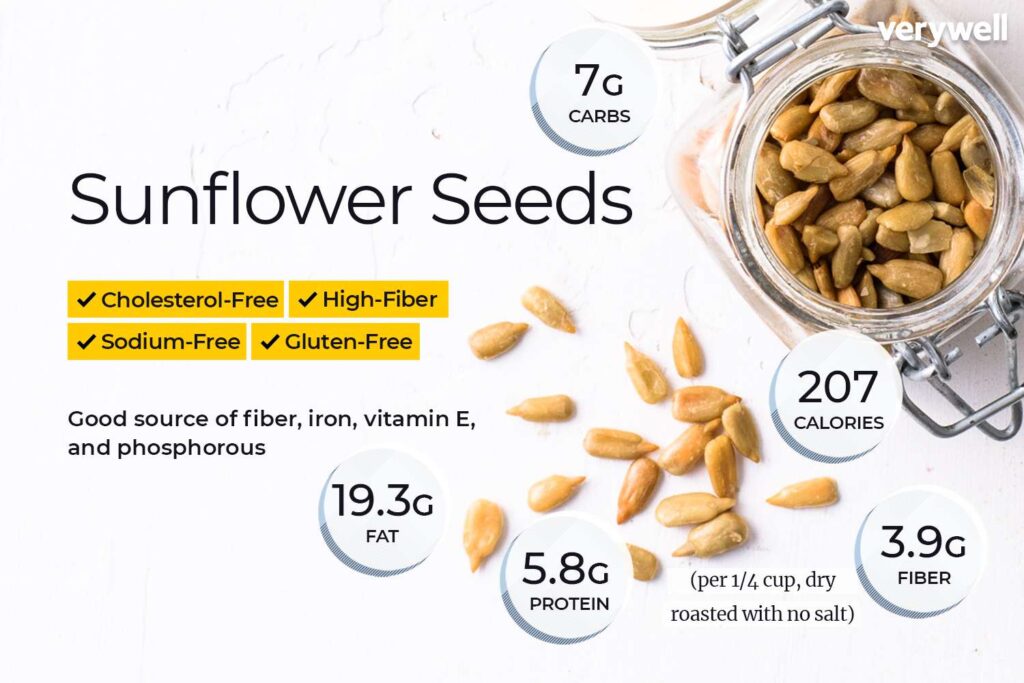
Are you looking for a healthy snack that’s rich in nutrients? Look no further than sunflower seeds! These tiny seeds are packed with essential fatty acids, vitamins, and minerals that can provide numerous health benefits.
What Are Sunflower Seeds?
Sunflower seeds are a type of seed that comes from the sunflower plant (Helianthus annuus). They’re an excellent source of energy and have been consumed for centuries as a healthy snack. These seeds are rich in nutrients, including:
- Acids: fatty acids, linoleic acid, and alpha-linolenic acid
- Vitamins: vitamin B complex, vitamin E, and folate
- Minerals: iron, zinc, phosphorus, magnesium, and potassium
The Health Benefits of Sunflower Seeds
Sunflower seeds have been associated with several health benefits, including:
- Proper Digestion: The high fiber content in sunflower seeds can help promote regular bowel movements and prevent constipation.
- Prevention of Respiratory Diseases: The antioxidants present in sunflower seeds may help protect against respiratory diseases such as bronchitis, pneumonia, and asthma.
- Protection Against Cancer: Some studies suggest that consuming sunflower seeds regularly may reduce the risk of certain types of cancer, including colon and breast cancer.
How to Incorporate Sunflower Seeds into Your Diet
Sunflower seeds can be enjoyed in a variety of ways:
- Snack on them plain or seasoned
- Add them to salads, yogurt, or oatmeal
- Use them as an ingredient in baked goods or granola recipes
- Sprinkle them on top of your favorite dishes for added crunch and nutrition
Choosing High-Quality Sunflower Seeds
To get the most nutritional benefits from sunflower seeds, look for products that are:
- Organic: Avoid pesticides and other chemicals by opting for organic sunflower seeds.
- Non-GMO: Ensure that the sunflower seeds are not genetically modified to avoid any potential health risks.
- Untreated: Avoid sunflower seeds that have been treated with irradiation or other processes.
Where to Buy High-Quality Sunflower Seeds
High-quality sunflower seeds can be found at:
- Specialty food stores
- Health food stores
- Online retailers like Amazon
Some popular brands include:
- Amazon: Offers a range of organic and non-GMO sunflower seeds.
- Whole Foods Market: Sells high-quality, untreated sunflower seeds in their bulk section.
Benefits for Specific Diets
Sunflower seeds can be beneficial for various diets, including:
- Vegetarian and Vegan Diets: Sunflower seeds are a plant-based food source and can provide essential fatty acids and protein.
- Gluten-Free Diet: Sunflower seeds do not contain gluten, making them an excellent option for individuals with gluten intolerance or celiac disease.
- Raw Food Diet: Sunflower seeds can be enjoyed raw, providing essential nutrients without the need for cooking.
Potential Side Effects
While sunflower seeds are generally considered safe to consume, some individuals may experience side effects, including:
- Digestive Issues: Some people may experience bloating or discomfort after consuming sunflower seeds.
- Allergic Reactions: Rarely, individuals may experience allergic reactions to sunflower seeds.
Precautions and Contraindications
Certain groups of individuals should exercise caution when consuming sunflower seeds:
- Pregnant Women: Sunflower seeds are generally considered safe during pregnancy, but excessive consumption may lead to digestive issues.
- Breastfeeding Mothers: Sunflower seeds can be a nutritious addition to a breastfeeding diet, but consult with a healthcare professional before consuming large amounts.
Conclusion
Sunflower seeds are a nutritious and versatile snack that can be enjoyed in various ways. By incorporating them into your diet regularly, you may experience several health benefits, including improved digestion, respiratory health, and cancer prevention. When choosing sunflower seeds, opt for high-quality products that are organic, non-GMO, and untreated.
Frequently Asked Questions (FAQs)
- What are the nutritional benefits of sunflower seeds?
- Sunflower seeds are rich in essential fatty acids, vitamins, and minerals.
- Can I eat sunflower seeds raw or should they be roasted?
- Both raw and roasted sunflower seeds can be enjoyed.
- How do I store sunflower seeds to maintain their nutritional value?
- Store them in an airtight container in a cool, dry place.
- Are sunflower seeds suitable for people with allergies or sensitivities?
- Some individuals may experience allergic reactions or sensitivities to sunflower seeds.
- Can I use sunflower seeds as a substitute for other seeds like pumpkin or chia seeds?
- While similar, sunflower seeds have distinct nutritional profiles and can be used in different recipes.
- Are there any potential side effects of consuming excessive amounts of sunflower seeds?
- Excessive consumption may lead to digestive issues or allergic reactions in some individuals.
- Can I use sunflower seeds as a natural remedy for specific health conditions?
- Some studies suggest that sunflower seeds may have therapeutic benefits, but more research is needed to confirm their effectiveness.
- Are sunflower seeds suitable for vegans and vegetarians?
- Yes, sunflower seeds are a plant-based food source and can be enjoyed by both vegans and vegetarians.


