
Are you considering switching your pet to a raw diet? Perhaps you’re curious about the benefits and drawbacks of this approach, or maybe you’re looking for a way to make the transition easier. In this article, we’ll delve into the world of BARF (Biologically Appropriate Raw Food) feeding, exploring its history, principles, and how to use a BARF calculator to ensure your furry friend is receiving a balanced diet.
What is a BARF Calculator?
A BARF calculator is a tool designed to help pet owners determine the ideal amount of food for their animal based on their age, weight, and individual needs. It’s an essential aid for those transitioning to raw feeding, as it simplifies the process of calculating nutrient ratios and ensuring your pet is getting the right balance of nutrients.
Why Use a BARF Calculator?
Using a BARF calculator can significantly benefit your pet’s health and well-being. Here are just a few reasons why:
- Eases the transition: A BARF calculator helps you determine the correct amount of food for your pet, making it easier to make the transition to raw feeding.
- Ensures nutritional balance: By using a BARF calculator, you can ensure that your pet is receiving a balanced diet that meets their individual needs.
- Reduces stress and anxiety: With a BARF calculator, you can rest assured that your pet is receiving the right amount of food, reducing stress and anxiety related to feeding.
How Does a BARF Calculator Work?
A BARF calculator typically involves setting up several variables, including:
- Your pet’s age
- Weight
- Type of raw food (e.g., meat, bones, organs)
- Desired nutrient ratio
By inputting these values and running the calculation, you’ll receive a personalized recommendation for your pet’s daily food intake.
Understanding BARF: A Brief History
The concept of BARF feeding has been around for decades. However, in recent years, it has gained popularity among pet owners seeking more natural and balanced diets for their animals. The idea behind BARF is simple: dogs and cats are naturally omnivores, and they should be fed foods that reflect this.
The Benefits of BARF Feeding
BARF feeding offers several benefits, including:
- Improved digestion: Raw food can help improve your pet’s digestive health by reducing inflammation and promoting regular bowel movements.
- Increased energy: A balanced diet rich in protein and healthy fats can boost your pet’s energy levels and overall vitality.
- Stronger immune system: By feeding your pet a diverse range of raw foods, you can help support their immune system and reduce the risk of illness.
Common Misconceptions About BARF Feeding
While BARF feeding has gained popularity, there are still some common misconceptions about this approach. Here are a few things to keep in mind:
- BARF is not for everyone: While BARF feeding can be beneficial for many pets, it may not be suitable for all animals or owners.
- Raw food does not mean “no supplements”: You may still need to provide your pet with supplements to ensure they’re getting all the necessary nutrients.
Debunking Common Myths About Raw Feeding
There are several myths and misconceptions surrounding raw feeding that should be addressed:
- Myth: Raw feeding will lead to a lack of nutrients in your pet’s diet.
Reality: A well-planned BARF diet can provide all the necessary nutrients for optimal health. - Myth: All raw foods are created equal, and you can simply substitute one brand with another.
Reality: Different brands offer varying levels of quality and nutritional content, making it essential to research and choose high-quality ingredients. - Myth: Raw feeding will lead to an increase in risk of certain health issues, such as kidney disease or pancreatitis.
Reality: When done properly, raw feeding can actually help reduce the risk of these conditions by promoting regular bowel movements and reducing inflammation.
Common Signs of Nutrient Deficiencies in Pets on a Raw Feeding Diet
While BARF feeding can be beneficial, there are some common signs of nutrient deficiencies that you should be aware of:
- Dull coat
- Poor digestion
- Lethargy
- Skin issues
If you suspect a deficiency, consult your veterinarian for guidance on addressing the issue.
How to Transition Your Pet to a BARF Diet
Transitioning to a BARF diet can seem daunting, but with a solid plan and patience, it’s achievable. Here are some tips:
- Consult with your veterinarian: Discuss your plans with your vet to ensure you’re making an informed decision for your pet.
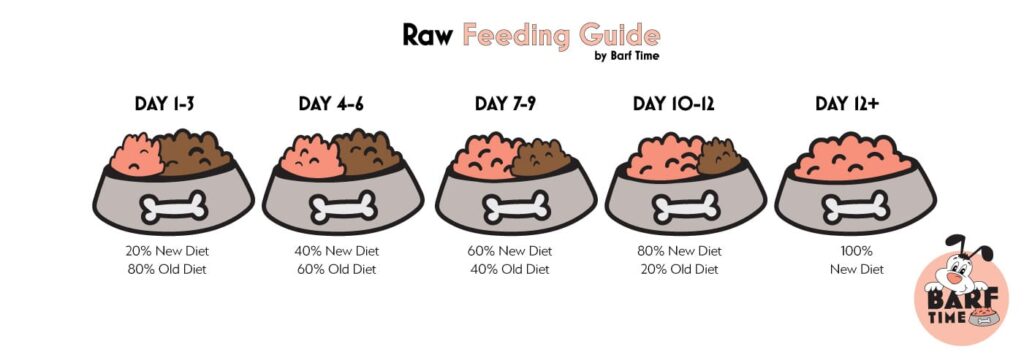
- Gradual transition: Introduce raw foods gradually to prevent digestive upset.
- Monitor your pet’s health: Keep a close eye on your pet’s overall health and adjust their diet as needed.
Conclusion
BARF feeding is a popular approach that offers several benefits for pets. By using a BARF calculator, you can ensure that your furry friend is receiving a balanced diet that meets their individual needs. Whether you’re considering switching to raw food or simply want to learn more about this approach, we hope this guide has provided valuable insights and information.
Frequently Asked Questions
- What is the difference between BARF and other raw feeding diets?
BARF stands for Biologically Appropriate Raw Food, which emphasizes a diet rich in whole, unprocessed foods that reflect your pet’s natural dietary needs. - How do I choose the right raw food for my pet?
Research different brands and types of raw food to determine which one best meets your pet’s nutritional needs. Consult with your veterinarian or a qualified animal nutritionist if needed. -
Can BARF feeding lead to health problems if not done correctly?
While BARF feeding can be beneficial, it may also increase the risk of certain health issues if not properly planned and executed. Regular monitoring by a veterinarian is essential to ensure your pet’s health and well-being. -
What are some common mistakes to avoid when transitioning to raw feeding?
Mistakes include under or overfeeding, using low-quality ingredients, and neglecting to provide regular veterinary check-ups. -
How often should I feed my pet on a BARF diet?
Feeding frequency will depend on your pet’s individual needs and activity level. Typically, pets can be fed 2-3 times per day, with portion sizes adjusted based on their age, weight, and nutritional requirements. -
What are some common signs of nutrient deficiencies in pets on a raw feeding diet?
Signs may include dull coat, poor digestion, lethargy, or skin issues. If you suspect a deficiency, consult your veterinarian for guidance on addressing the issue. - Can BARF feeding be beneficial for all pets, regardless of age or health status?
While BARF feeding can benefit many pets, it’s essential to consider individual circumstances and consult with a veterinarian before making any changes to your pet’s diet.


