
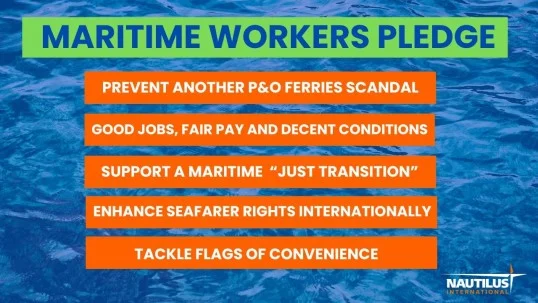
Enhancing Rights for Marine Workers: A New Era of Protections
As the world grapples with the challenges of climate change, economic instability, and social inequality, it’s heartening to see progress on a vital front: protecting the rights of marine workers. After years of negotiations between unions and employers, there are finally some positive developments for those who toil in the ocean.
It seems that “having a job” has become the ultimate luxury in today’s economic climate, with many workers accepting poor working conditions without question. But the facts tell a different story. For example, young Italians have been labeled “too choosy,” but what if they’re simply demanding better treatment for themselves and their colleagues?
Marine workers face unique challenges, from exposure to harsh weather conditions to the risk of accidents at sea. These individuals often work long hours in cramped and poorly ventilated spaces, making them more susceptible to illness and injury. Moreover, many marine jobs are seasonal or irregular, leaving workers without stable income or benefits.
Despite these challenges, there have been significant strides made in recent years to improve working conditions for marine workers. New regulations aligned with international standards set by the International Maritime Organization (IMO) promise to enhance safety for workers in high-risk situations like pirate attacks or hijackings.
New Regulations for Marine Workers
One major breakthrough is the introduction of new regulations aligned with international standards set by the International Maritime Organization (IMO). These changes promise to improve safety for workers, including specialized training in high-risk situations like pirate attacks or hijackings.
Moreover, European Union regulations on minimum rest periods have been strengthened, setting a higher standard than those adopted internationally. This is particularly good news, as it will help prevent worker fatigue and ensure they receive the rest they need.
In addition to these changes, the European Commission has taken steps to increase transparency in monitoring marine workers operating in EU waters. This increased oversight should lead to better treatment and working conditions for these employees.
To recap:
- New IMO-aligned regulations for safety training
- Strengthened EU minimum rest periods
- Increased transparency through monitoring by the European Commission
Sustainable Fishing: A Key Priority
The recent agreement on sustainable fishing practices, thanks to the European Common Fisheries Policy (ECP), aims to reduce waste and protect marine ecosystems. By 2015, all fish stocks must be more eco-friendly, with a gradual phase-out of the practice of “rigging” – dumping unwanted catch back into the ocean.
The Importance of Waste Reduction
While the practice of rigging may not have direct environmental implications, it still represents a significant waste of resources. By making sustainable fishing practices mandatory, we can reduce unnecessary waste and promote eco-friendly management of marine ecosystems.
In conclusion, these new regulations and agreements demonstrate a commitment to improving working conditions for marine workers while also protecting the environment. As we move forward, it’s essential to continue advocating for better treatment and greater transparency in this vital sector.
Frequently Asked Questions (FAQs)
- What are the main changes introduced by the new regulations for marine workers?
- New safety training programs focusing on high-risk situations
- Strengthened minimum rest periods to prevent worker fatigue
- Increased transparency through monitoring by the European Commission
- How will sustainable fishing practices impact fish stocks and marine ecosystems?
- Reduced waste and more eco-friendly management of fisheries
- Gradual phase-out of rigging, a practice that wastes resources
- What is the significance of the European Common Fisheries Policy (ECP)?
- Aims to reduce waste and protect marine ecosystems through sustainable fishing practices
- How will the introduction of new regulations affect marine workers’ rights?
- Improved safety training, reduced worker fatigue, and better working conditions
- What is the importance of increased transparency in monitoring marine workers?
- Ensures that employers are held accountable for treating their employees fairly
- Are there any potential environmental implications of the new regulations?
- Reduced waste and more eco-friendly management of fisheries can help protect marine ecosystems
- How will the phase-out of rigging impact fish stocks and marine ecosystems?
- Reduces unnecessary waste, promoting sustainable fishing practices
- What is the expected outcome of the European Commission’s monitoring efforts?
- Improved working conditions, reduced worker fatigue, and increased transparency
Marine Worker Rights: A Global Perspective
The protection of marine workers’ rights is an issue that transcends national borders. While some countries have made significant strides in improving working conditions for their workforce, others still lag behind.
In the United States, for example, the National Transportation Safety Board (NTSB) has identified safety issues affecting the maritime industry, including inadequate training and poor communication between crew members.
Similarly, in Australia, the Maritime Union of Australia has been advocating for improved working conditions and better pay for its members. While progress has been made, there is still much work to be done to ensure that all marine workers are treated fairly and safely.
In Asia, where many countries rely heavily on fishing industries, worker safety is a growing concern. In Japan, for instance, the government has implemented measures to reduce accidents at sea, including mandatory training programs and improved vessel inspections.
Conclusion
The introduction of new regulations and agreements aimed at improving working conditions for marine workers represents a significant step forward in protecting these individuals’ rights. By prioritizing transparency, safety, and sustainability, we can create a better future for everyone involved in the maritime industry.
As we move forward, it’s essential to continue advocating for better treatment and greater transparency in this vital sector. Only through collective action can we ensure that marine workers are treated fairly and safely, and that our oceans remain healthy and thriving.
Recommendations
- Encourage all countries to adopt international standards set by the International Maritime Organization (IMO) for safety training.
- Support the phase-out of “rigging” – dumping unwanted catch back into the ocean – through sustainable fishing practices.
- Promote increased transparency in monitoring marine workers operating in EU waters.
- Advocate for improved working conditions, better pay, and safer vessels for all marine workers.
By working together, we can create a brighter future for everyone involved in the maritime industry.


