
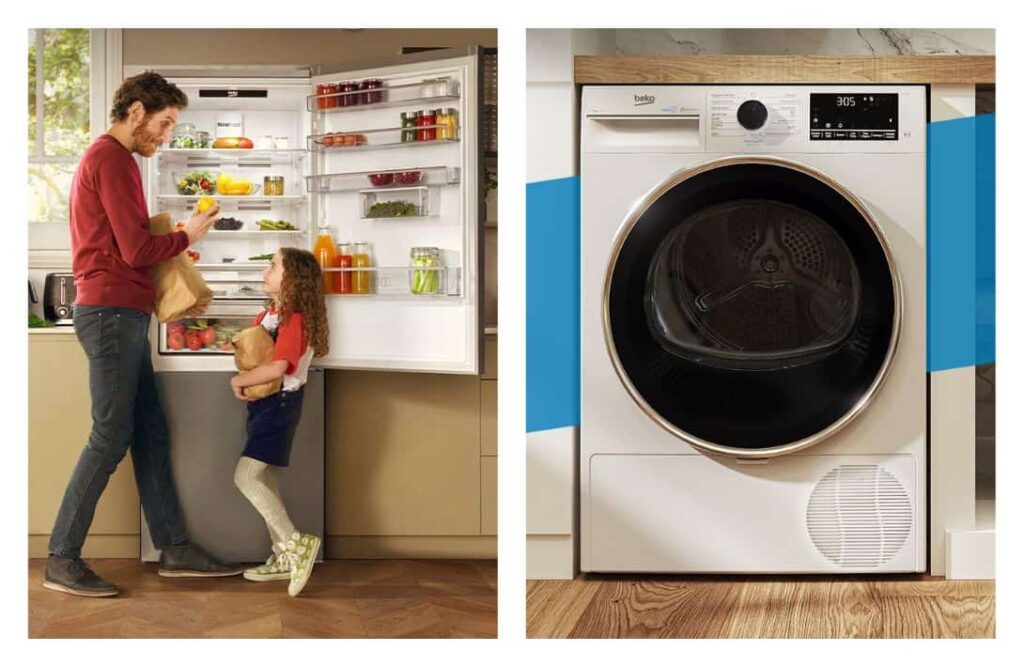
The past January saw the introduction of the new European directive Erp (Energy Related Product), which allows for the classification of home appliances based on their energy consumption. What’s changed? Minimum efficiency requirements have been updated, and the Erp has set a new scale of energy that will remain in effect until 2019. From an energy perspective, sustainable home appliances are those with lower energy consumption.
The old energy classification system was based on seven classes, ranging from class A (highest energy savings) to class G (least energy savings). The new Erp directive eliminated the classes G, F, and E, as these types of appliances are too energy-intensive and no longer suitable for the market.
Sustainable Home Appliances: What’s New?
The introduction of sustainable home appliances is part of an expansion of the A-class range, which now includes A+, A++ and A++++. In essence, sustainable home appliances can be distinguished by their labeling as “A + + +”. The entry into force of this norm will allow consumers to make better choices and have greater assurance on the products they purchase, with a potential energy savings of around 20%.
Beyond Energy Efficiency
Sustainability is not solely about an appliance’s energy consumption; there are other crucial parameters that go from its production process to end-of-life disposal. This is where tools like EPEAT come into play – an essential resource for users looking to assess the environmental impact of a home appliance.
EPEAT (Electronic Product Environmental Assessment Tool) analyzes the entire lifecycle of a product, providing valuable insights for consumers looking to make sustainable choices.
The Impact of Sustainable Home Appliances
Sustainable home appliances can indeed have a significant impact on reducing energy consumption. In fact, studies have shown that choosing products certified by EPEAT can significantly contribute to environmental benefits.
In the United States, since 2006, consumers who have chosen EPEAT-certified products have helped reduce emissions equivalent to taking 11 million cars off the road in just one year!
A Guide to Sustainable Home Appliances
So how can you make sustainable choices when it comes to home appliances? Here are some key takeaways:
- Check if a product is certified by EPEAT
- Look for energy-efficient labeling, such as “A + + +”
- Research the production process and end-of-life disposal of the appliance
Climatization Appliances: A Guide to Sustainable Choices
For those looking to choose sustainable climatization appliances, the WWF has created a detailed registry that can help users make informed decisions.
By making sustainable choices when it comes to home appliances, we can all contribute to reducing our carbon footprint and creating a more environmentally friendly future.
FAQs: Sustainable Home Appliances
Here are some frequently asked questions about sustainable home appliances:
- What is the new European directive Erp?
- The Erp directive sets a new scale of energy for home appliances, with minimum efficiency requirements that will remain in effect until 2019.
- How can I determine if an appliance is certified by EPEAT?
- Look for the EPEAT logo on the product or consult the registry for more information.
- What are the benefits of choosing sustainable home appliances?
- Sustainable home appliances can help reduce energy consumption, carbon emissions, and contribute to a more environmentally friendly future.
Q: How do I know if an appliance is certified by EPEAT?
A: You can check for the EPEAT logo on the product or consult the registry for more information.
Q: What are some key factors to consider when choosing sustainable home appliances?
A: Look for energy-efficient labeling, research the production process and end-of-life disposal of the appliance, and check if it’s certified by EPEAT.
By making informed choices when it comes to sustainable home appliances, we can all contribute to reducing our carbon footprint and creating a more environmentally friendly future.


