
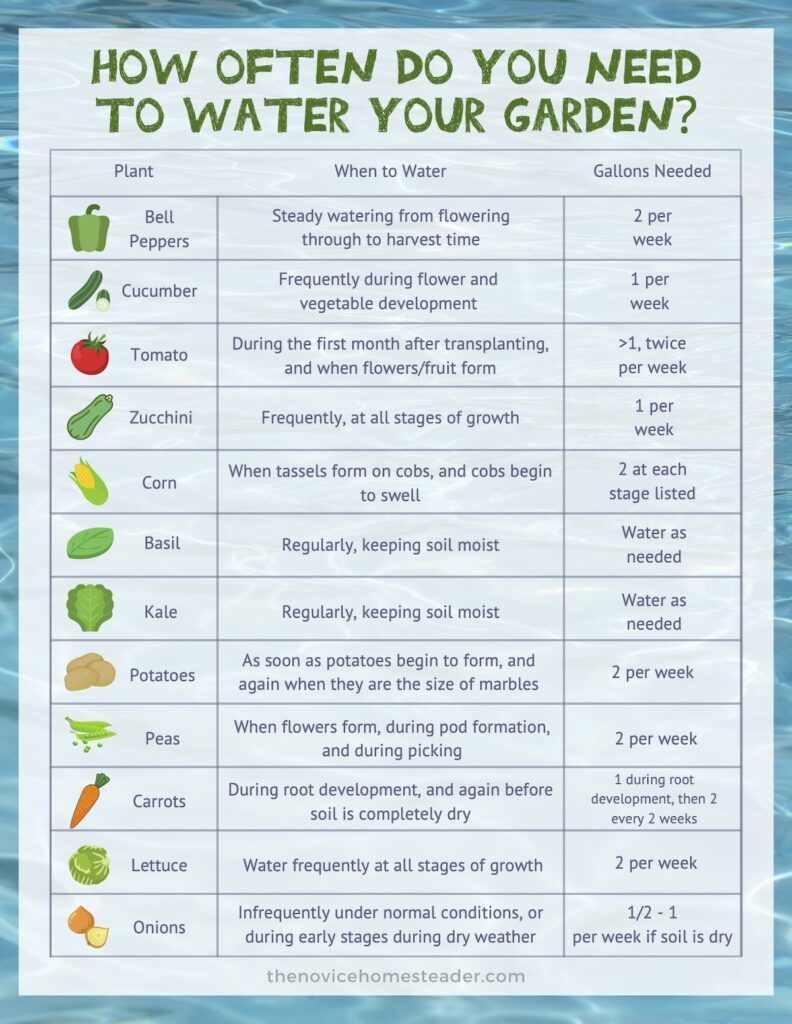
As a gardener, ensuring your garden receives the right amount of water is crucial for a bountiful harvest. In this article, we’ll explore the most effective irrigation systems for your specific needs, helping you optimize your watering schedule and reduce waste.
The Importance of Proper Irrigation
Using tap water for irrigation may seem convenient, but it’s essential to consider its drawbacks. Tap water contains chlorine, a substance that helps eliminate bacteria from drinking water; however, when used for irrigation, it can alter the soil pH, affecting certain crops. To mitigate this issue, allow tap water to rest for at least 24 hours before using it. This allows most of the chlorine to evaporate, ensuring your soil remains healthy.
Basic Irrigation Tips
When watering your garden:
- Avoid standing water: Water can collect in low-lying areas, causing root rot and other issues.
- Cover the soil: Mulching helps retain moisture, suppress weeds, and prevent water waste.
- Water during cooler hours: Morning or late afternoon irrigation is best to minimize evaporation and reduce fungal diseases.
- Avoid full-sun watering: Direct sunlight can lead to drying out of plants and increased evaporation.
- Increase frequency after transplanting: Newly planted trees and shrubs require more frequent watering, especially during their first few months.
Irrigation System Options
For efficient irrigation, consider the following systems:
Tubing Systems
Tubing systems, such as micro-irrigation and porous tubes, offer flexible and precise watering solutions. Micro-tubes can be buried underground without creating obstacles and work effectively at low pressures. For more information on tubing systems, refer to our article “Sistemi di irrigazione a goccia: istruzioni all’uso”.
Porous Tubing Systems
These systems distribute water uniformly, making them ideal for use with natural mulch like straw or hay. To maximize efficiency, combine porous tubing with timers.
Choosing the Right Irrigation System
When selecting an irrigation system, consider factors such as:
- Your garden’s unique needs: Different crops require varying amounts of water.
- Soil type and condition: Some soils may require more or less water based on their texture and structure.
- Climate and weather patterns: Weather conditions can impact your watering schedule.
By considering these factors, you’ll be able to find the most effective irrigation system for your specific needs.
Types of Irrigation Systems
Here are some common types of irrigation systems:
- Drip Irrigation System: A drip irrigation system delivers water directly to the roots of plants through tiny tubes and emitters.
- Sprinkler System: Sprinkler systems distribute water over a larger area using sprinklers that can be adjusted to control the amount of water used.
- Micro-Irrigation System: Micro-irrigation systems use small tubes and nozzles to deliver water directly to the roots, reducing evaporation and runoff.
- Porous Tubing System: Porous tubing systems distribute water uniformly throughout the soil, making them ideal for use with natural mulch like straw or hay.
Benefits of Irrigation Systems
Irrigation systems offer several benefits, including:
- Water Conservation: Irrigation systems can help reduce water waste by delivering water directly to the roots of plants.
- Increased Crop Yields: Proper watering is essential for healthy plant growth and increased crop yields.
- Reduced Fertilizer Use: By delivering water directly to the roots, irrigation systems can help reduce fertilizer use.
Conclusion
Proper irrigation is essential for a healthy and thriving garden. By understanding the basics of irrigation, choosing the right systems, and optimizing your watering schedule, you’ll be well on your way to growing a successful and sustainable garden.
Frequently Asked Questions (FAQs)
Q: What’s the best time to water my garden?
A: Watering during cooler hours, such as morning or late afternoon, helps minimize evaporation and reduces fungal diseases.
Q: How often should I water newly planted trees and shrubs?
A: Newly planted trees and shrubs require more frequent watering, especially during their first few months after transplanting.
Q: What are some common mistakes to avoid when irrigating my garden?
A: Common mistakes include overwatering, under-watering, not covering the soil with mulch, and avoiding standing water.
Q: How can I optimize my irrigation system for specific crops?
A: Research the unique watering needs of each crop to create a tailored irrigation schedule.
Q: What’s the difference between micro-irrigation and porous tubing systems?
A: Micro-irrigation systems use small tubes and nozzles to deliver water directly to the roots, while porous tubing systems distribute water uniformly throughout the soil.
Q: Can I reuse tap water for irrigation after it’s rested for 24 hours?
A: While resting tap water for 24 hours can help reduce chlorine levels, it may not be sufficient to completely remove all impurities. Consider using filtered or rainwater instead.
Q: How do I protect my soil from drying out during irrigation?
A: Mulching helps retain moisture in the soil and prevents weeds from growing.
Q: Can I irrigate my garden without a timer?
A: While it’s possible to water your garden manually, timers can help ensure consistent watering schedules and reduce waste.
Additional Resources
- National Gardening Association: A comprehensive resource for gardening information, including irrigation guides.
- Irrigation Association: A trade association dedicated to promoting the use of irrigation systems and providing education on best practices.
- Local nurseries and gardening stores: Many local businesses offer guidance on irrigation systems and provide recommendations based on specific climate and soil conditions.
By taking advantage of these resources, you’ll be able to find the most effective solutions for your unique gardening needs.


