
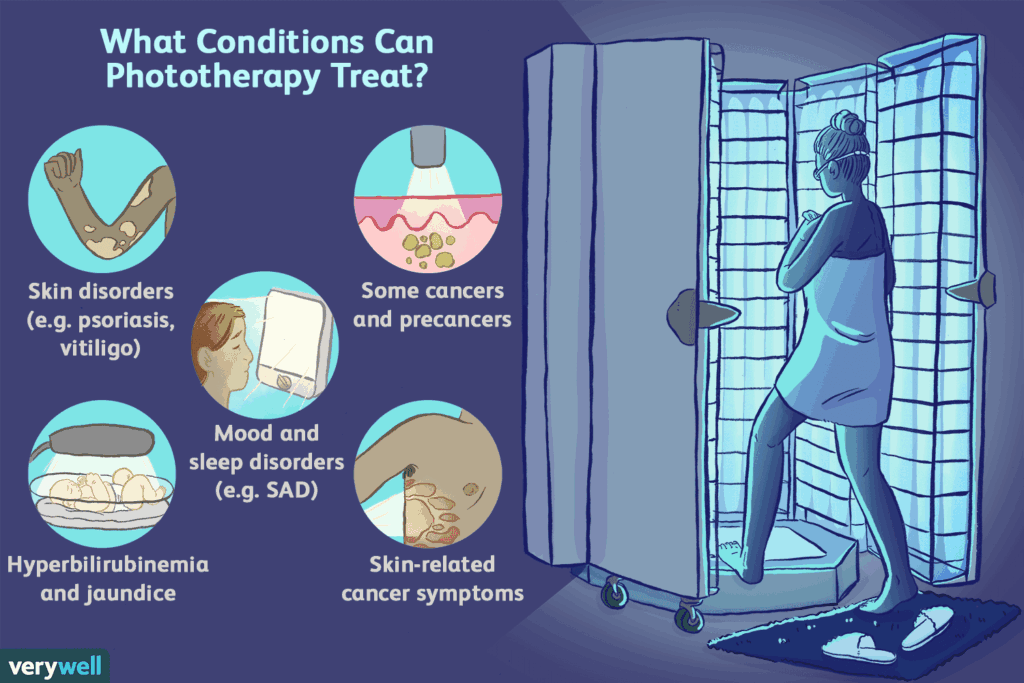
As the days get shorter and the nights colder, many of us experience a dip in our mood. This is often referred to as seasonal affective disorder (SAD), but there’s another option that can help alleviate symptoms: light therapy. In this article, we’ll delve into what light therapy is, its benefits, costs, and applications – including neonatal jaundice and psoriasis.
What is Light Therapy?
Light therapy, also known as phototherapy, has its roots in Greek, derived from the word “light.” It’s a healing technique that uses light to counteract the effects of various skin disorders and mental health conditions. By exposing the body to specific wavelengths of light, it can stimulate chemicals in the brain, producing an effect on mood and circadian rhythms.
Benefits of Light Therapy
Light therapy has been shown to be effective in treating a range of conditions, including:
- Psoriasis: A chronic autoimmune skin disorder characterized by scaly, red patches on the skin.
- Acne: A common skin condition caused by bacterial infections and inflammation.
- Eczema: A condition that causes dry, itchy, and inflamed skin.
- Sleep problems: Light therapy can help regulate circadian rhythms and improve sleep quality.
How Does Light Therapy Work?
During each session of light therapy, you’re placed near a natural source of light, such as sunlight or artificial light, for a time that varies from 30 minutes to two hours. It’s preferred in the morning, but depends on daily commitments and individual preferences.
If using artificial light, a “light box” is employed, which stimulates chemicals acting on the brain, producing an effect on mood or synchronizing circadian rhythms.
Types of Light Therapy
The light used can be of various types and changes color and intensity according to the desired outcome from the light therapy session. If you want to simulate ultraviolet therapy, a broad-spectrum light with soft laser (low-intensity) is chosen to treat problems like pain and inflammation.
Usually, patients are subjected to UV-B broad-band, narrow-band UVB, or P-UVA (Psoralen + UV-A) light. In this case, Psoralen, a sensitizing drug, is combined with the light, increasing the effect of UV-A rays on the skin.
Cost of Light Therapy
Given the variety of light therapy types currently available, it’s difficult to estimate the cost of a session or a treatment cycle. It is essential to consult with a doctor before starting this type of treatment to understand if it is necessary and whether other treatments, such as medications or psychotherapy, are required.
Neonatal Light Therapy
When applied to newborns in their first few days of life, light therapy does not treat seasonal depression but instead treats neonatal jaundice. Even later in life, this type of light-based treatment is useful for treating skin disorders, particularly psoriasis, and can be applied to children without causing excessive distress due to its safety and low side effects.
Neonatal Jaundice
The effect on jaundice persists even when the child is not a neonate, and light therapy may be a good solution for patients unresponsive to conventional medical treatments or those experiencing adverse reactions to medication.
DIY Phototherapy: Staying in the Sun
Often, people are told to stay in the sun with precautions, which is essentially a form of DIY phototherapy. Staying in the sun can benefit one’s mood, and it’s a cost-free advantage that we don’t lack here.
Even if you’re not depressed, it can still help maintain good mood.
Psychological Benefits of Light Therapy
Light therapy has been shown to have positive effects on mental health by:
- Reducing symptoms of depression
- Improving sleep quality
- Enhancing mood
- Increasing energy levels
Physical Benefits of Light Therapy
In addition to its psychological benefits, light therapy can also have physical benefits, including:
- Reduced inflammation
- Improved skin health
- Increased immune function
- Enhanced wound healing
Conclusion
Light therapy is a powerful tool for treating various skin disorders and mental health conditions. While its cost may vary depending on the type of light therapy used, it can be an effective alternative to traditional treatments. By consulting with a doctor and understanding the benefits and applications of light therapy, you can make an informed decision about whether it’s right for you.
Frequently Asked Questions
- What is the best time to use light therapy?
- Morning sessions are preferred, as they help regulate circadian rhythms.
- Can light therapy be used for everyone?
- No, certain conditions may require medical supervision or other treatments.
- How long does it take to see results from light therapy?
- Results vary depending on the condition being treated and individual factors.
- Is light therapy a replacement for medication or psychotherapy?
- No, it should be used in conjunction with other treatments as needed.
- Can I use light therapy at home?
- Yes, but consult with a doctor before starting treatment to ensure safety and effectiveness.
- Is light therapy suitable for children?
- Yes, but consult with a doctor before starting treatment to determine the best course of action.
- What are the potential side effects of light therapy?
- Common side effects include headaches and eye strain, which can be alleviated by following proper usage guidelines.
- Can I use light therapy if I’m pregnant or breastfeeding?
- Consult with a doctor before starting treatment to determine the best course of action.
By understanding the benefits, applications, and potential risks of light therapy, you can make an informed decision about whether it’s right for you. Whether you’re looking to alleviate symptoms of seasonal depression, treat skin disorders, or improve your overall well-being, light therapy may be a valuable tool in your health journey.


