
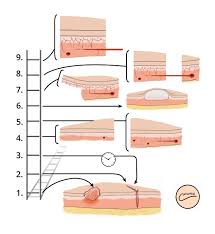
Grafting is a powerful tool for tree care, allowing you to create new plants from existing ones. But did you know that there are specific grafting techniques designed to revitalize weak or damaged trees? In this article, we’ll delve into the world of revitalization and bridge grafting, exploring their benefits, applications, and step-by-step instructions.
What is Revitalization Grafting?
Revitalization grafting is a technique used to revive weak or underperforming trees. This method involves grafting new plants onto existing ones with damaged or non-functioning root systems. The goal is to restore the tree’s health, vigor, and productivity.
There are two primary types of revitalization grafting: rinvigorimento (Italian for “revitalization”) and ponte (meaning “bridge”). We’ll explore each technique in detail below.
Rinvigorimento Grafting
This type of grafting is used to revitalize trees with damaged or non-functioning root systems. The process involves creating a new plant that will eventually replace the existing one, providing additional support and nourishment.
Here’s how it works:
- Select two compatible tree species: Often with different growth habits.
- Prepare the donor tree: Make clean cuts on the trunk, just above a bud eye.
- Cut small stems (called scions): From the selected tree species and prepare them for grafting.
- Inoculate the scions onto the donor tree using specialized tools or techniques.
- Secure the scions with tape or clips: Ensuring they’re firmly attached.
- Allow the new plant to grow and mature over time, eventually replacing the original tree.
Ponte Grafting
This type of grafting is used to repair damage caused by lesions, wounds, or other trauma on the trunk. The goal is to create a bypass for the damaged area, ensuring the tree’s continued health and growth.
Here’s how it works:
- Identify the damaged area: On the trunk.
- Make clean cuts on either side of the lesion using specialized tools (such as T-shaped pruning saws).
- Cut a new stem or twig: From the same species and prepare it for grafting.
- Insert the new stem into the cut, securing it with tape or clips.
- Apply a sealant (like wax or tape) to protect the new connection.
Benefits of Revitalization and Bridge Grafting
Both revitalization and bridge grafting techniques offer numerous benefits for tree care:
- Improved health: By promoting healthy growth and development, these techniques can help restore trees to full vigor.
- Increased productivity: By providing additional support and nourishment, revitalization grafting can lead to increased fruit production or other desired outcomes.
- Cost-effective: Unlike replanting entire new trees, these techniques allow you to repurpose existing ones, reducing costs and environmental impact.
Forbice da Innesto: The Right Tools for the Job
When it comes to grafting, having the right tools is essential. That’s why we’ve selected two high-quality forbici (pruning shears) specifically designed for this purpose:
- Tink-sky Professional: A professional-grade pair of pruning shears with interchangeable blades and durable construction.
- Tofern Professional: A versatile pair of pruning shears suitable for various grafting techniques, including omega, spacco, and incastro cuts.
Step-by-Step Instructions
Ready to try revitalization or bridge grafting? Here’s a step-by-step guide:
- Choose the right materials: select compatible tree species, scions, and tools.
- Prepare the donor tree: make clean cuts on the trunk, just above bud eyes.
- Inoculate scions onto the donor tree using specialized techniques or tools.
- Secure the scions with tape or clips.
- Allow the new plant to grow and mature over time.
Conclusion
Revitalization and bridge grafting are powerful techniques for improving tree health, productivity, and overall well-being. By understanding these methods and having the right tools, you can unlock your trees’ full potential and enjoy a healthier, more thriving garden.


