
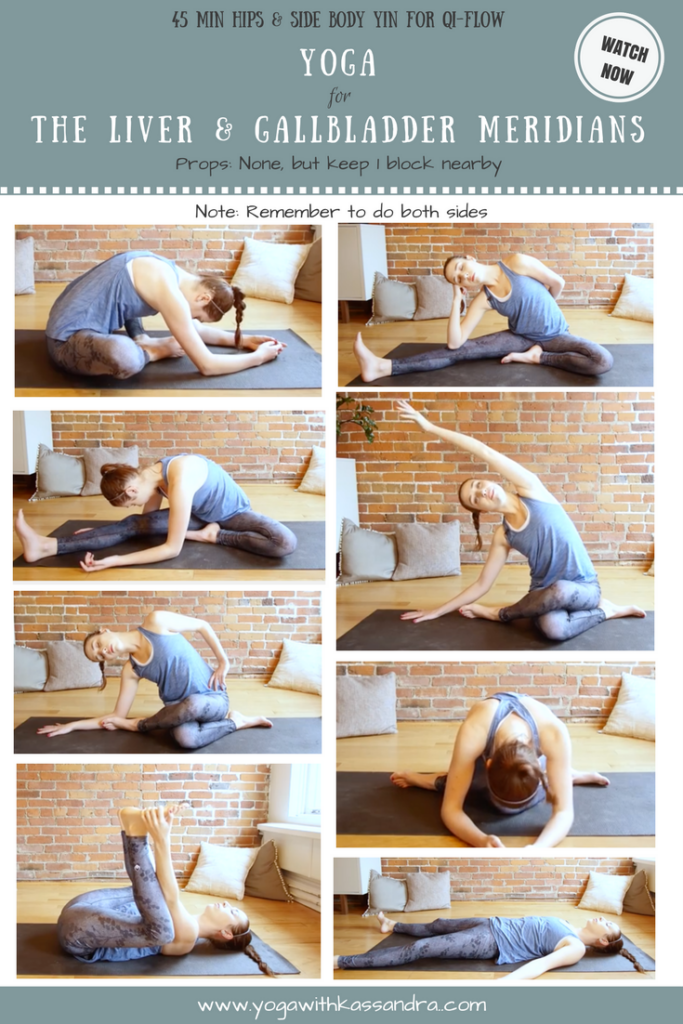
As we navigate our busy lives, it’s easy to get caught up in stress, anxiety, and physical tension. But what if there was a way to tap into an ancient practice that could help balance our energy, calm our minds, and restore our overall well-being? Enter Meridian Yoga, a 4,000-year-old discipline rooted in traditional Chinese medicine.
In this article, we’ll delve into the world of Meridian Yoga, exploring its history, principles, benefits, exercises, and more. Whether you’re a seasoned yogi or just starting your journey, discover how this powerful practice can transform your life from the inside out.
What are Meridians?
To understand Meridian Yoga, let’s first explore what meridians are. In traditional Chinese medicine, meridians are believed to be channels of energy that flow through the body, connecting all organs and tissues. These energetic pathways, also known as “qi,” play a crucial role in maintaining our overall health and balance.
Imagine your body as a complex network of roads, with each organ and system connected to others. When these meridians are clear and flowing, our body functions smoothly, and we feel energized and vital. However, when they become blocked or disrupted, we may experience physical symptoms, emotional turmoil, or even illness.
History of Meridian Yoga
Meridian Yoga has its roots in traditional Chinese medicine, dating back over 4,000 years. The practice was first mentioned in the “Huangdi Neijing” (Yellow Emperor’s Classic of Internal Medicine), a foundational text of traditional Chinese medicine.
Over time, Meridian Yoga evolved and spread throughout Asia, with various regional practices developing distinct styles and techniques. Today, Meridian Yoga is practiced worldwide, incorporating elements from traditional Chinese medicine, yoga, and other holistic disciplines.
Principles of Meridian Yoga
Meridian Yoga is based on the principles of Traditional Chinese Medicine (TCM), which emphasizes the interconnectedness of body, mind, and spirit. The practice seeks to restore balance and harmony by:
- Identifying energy blockages: Recognizing areas where energy may be stagnant or blocked.
- Clearing energy pathways: Using gentle stretches, breathing exercises, and meditation techniques to release tension and promote flow.
- Balancing the body’s energy: Restoring equilibrium to our energetic pathways to achieve overall well-being.
Benefits of Meridian Yoga
So, what can Meridian Yoga do for us? By targeting specific meridians with gentle stretches, breathing exercises, and meditation techniques, this practice can:
- Prevent illness: Identify and clear blockages in our energy pathways to prevent chronic conditions from arising.
- Promote relaxation: Calm our minds and bodies through deep breathing, progressive muscle relaxation, and visualization techniques.
- Enhance physical health: Improve flexibility, balance, and overall physical well-being by targeting specific meridians.
Meridian Yoga Exercises
Now that we’ve covered the basics, let’s dive into some Meridian Yoga exercises. Each exercise is associated with a specific element (metal, earth, fire, water, wood) and targets specific meridians in the body. These movements are designed to:
- Balance energy: Restore equilibrium to our energetic pathways by releasing tension and promoting flow.
- Relax the mind-body connection: Quiet the mind, calm the nervous system, and promote deep relaxation.
Here are some examples of Meridian Yoga exercises:
- Metal Element (Lung/Colon Meridians): For stress, anxiety, or feeling “stuck” in a situation. Associated with the color white.
- Earth Element (Stomach/Spleen Meridians): For digestive issues, bloating, or emotional instability. Associated with the color yellow.
- Fire Element (Heart/Small Intestine Meridians): For heart conditions, anxiety, or feeling stuck in a relationship. Associated with the color red.
Tips for Practicing Meridian Yoga
To get the most out of Meridian Yoga, keep these tips in mind:
- Start slow: Begin with gentle stretches and gradually increase your practice as you become more comfortable.
- Listen to your body: Honor your physical limitations and take breaks when needed.
- Practice regularly: Aim for at least 2-3 times per week to see noticeable benefits.
Common Misconceptions about Meridian Yoga
While Meridian Yoga is gaining popularity, some common misconceptions persist. Let’s debunk a few myths:
- Meridian Yoga is just another form of yoga: While it shares similarities with other yogic practices, Meridian Yoga has its unique focus on energetic pathways and Traditional Chinese Medicine.
- You need to be flexible or strong to practice Meridian Yoga: Gentle stretches and modifications are available for all ages and abilities.
Conclusion
Meridian Yoga offers a powerful tool for achieving balance and harmony in our lives. By understanding how meridians work and incorporating specific exercises into your daily routine, you can:
- Improve overall health: Enhance physical, emotional, and mental well-being.
- Reduce stress and anxiety: Calm the mind-body connection and promote relaxation.
- Increase energy: Boost vitality and enhance life force.
By embracing Meridian Yoga, you’ll take a step towards unlocking your full potential for energetic balance, wellness, and inner peace.



