
The Perennial Saponaria: Unlocking its Medicinal and Cosmetic Properties
Introduction
In the world of herbs, few plants have managed to capture the imagination as much as the saponaria. With its rich history, diverse uses, and numerous health benefits, this perennial plant has been a staple in traditional medicine for centuries. In this article, we will delve into the fascinating world of saponaria, exploring its botanical characteristics, medicinal properties, cosmetic applications, and more.
What is Saponaria?
Saponaria is a perennial plant that belongs to the Gentianaceae family. It has been used in various cultures for its medicinal and cosmetic properties, including its ability to create soap-like substances. The name “saponaria” comes from the Greek word “sapo,” meaning soap.
Medicinal Properties of Saponaria
Saponaria is rich in saponine, a compound that gives it its soap-like properties. This compound has been found to have numerous health benefits, including:
- Diuretic and diaphoretic effects
- Anti-inflammatory and antioxidant properties
- Digestive and colagogic effects
- Antiseptic and antibacterial properties
These properties make saponaria an excellent remedy for various ailments, such as digestive issues, respiratory problems, and skin conditions.
Cosmetic Applications of Saponaria
Saponaria is also used in the cosmetic industry to create a range of products, including:
- Soaps and detergents
- Shampoos and conditioners
- Skincare creams and lotions
- Hair dyes and colorants
One popular product made from saponaria is a crema lavante (shampoo) that uses the plant’s saponine to create a gentle, non-stripping cleanser for hair. This cream nourishes and repairs damaged hair, leaving it soft, set, and lightweight.
Botanical Characteristics of Saponaria
Saponaria is a perennial plant with a number of distinctive botanical characteristics:
- It has long, ramified stems that grow up to 1 meter in height
- Its leaves are green, ovate, or lance-shaped, and can reach up to 10 cm in length
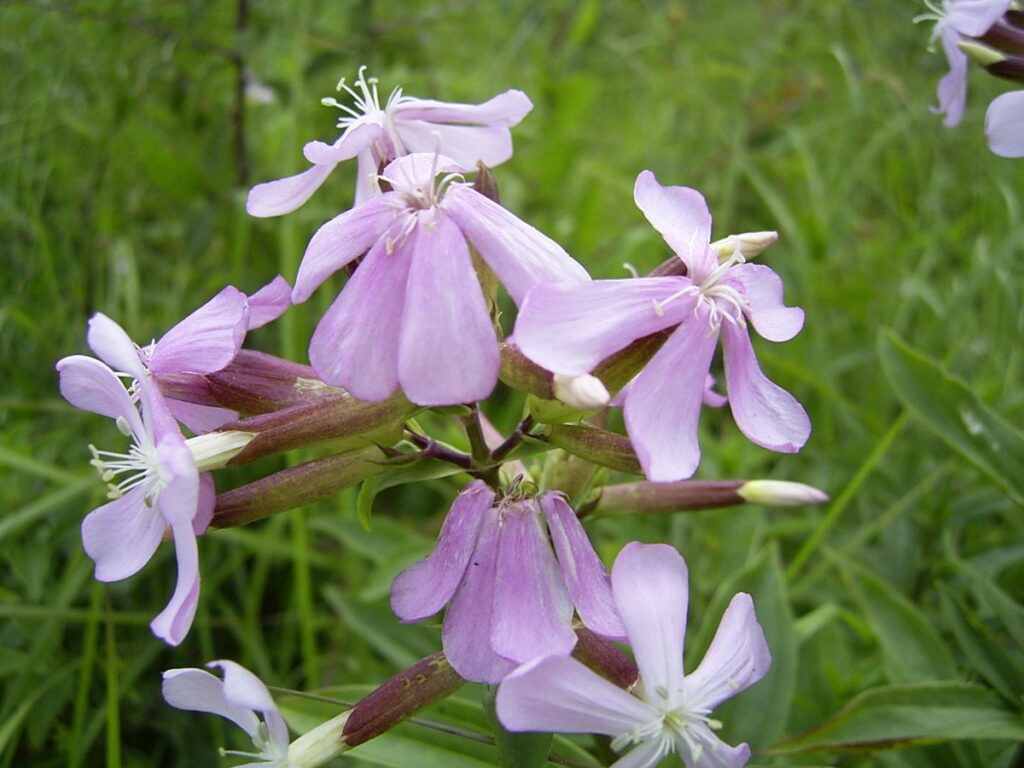
- The plant produces small, rose-colored flowers in the spring
- Saponaria is native to Europe but has been cultivated extensively in other parts of the world.
Propagation and Care
Saponaria is a relatively easy plant to propagate and care for. It can be grown from seed or cuttings, and prefers well-drained soil with full sun to partial shade. Regular pruning helps keep the plant healthy and promotes new growth.
To encourage saponaria to produce flowers, it should be fertilized during spring, especially before autumn. With proper care, this perennial plant can thrive for many years, providing a bountiful harvest of medicinal and cosmetic properties.
Conclusion
In conclusion, the saponaria is a versatile and powerful plant with numerous health benefits and cosmetic applications. Its medicinal properties make it an excellent remedy for various ailments, while its use in cosmetics has led to the development of innovative products like hair care creams. With proper care and propagation techniques, saponaria can thrive in many different environments, providing a valuable resource for traditional medicine and modern skincare.
Frequently Asked Questions (FAQs)
- What are the benefits of using saponaria?
- Saponaria has numerous health benefits, including anti-inflammatory, antioxidant, diuretic, diaphoretic, digestive, colagogic, antiseptic, and antibacterial properties.
- Can I use saponaria to treat various ailments?
- Yes, saponaria can be used to treat a range of health issues, including digestive problems, respiratory problems, skin conditions, and more.
- How does saponaria create soap-like substances?
- Saponaria contains saponine, which is responsible for its soap-like properties.
- What are some common cosmetic products made from saponaria?
- Some popular products include soaps, shampoos, conditioners, skincare creams and lotions, hair dyes, and colorants.
- How do I propagate saponaria?
- Saponaria can be grown from seed or cuttings, and prefers well-drained soil with full sun to partial shade.
-
What are some common applications of saponaria in traditional medicine?
- Saponaria has been used in various cultures for its medicinal properties, including treating digestive issues, respiratory problems, skin conditions, and more.
-
What is the difference between Saponaria Officinalis and Saponaria Ocymoides?
- Saponaria Officinalis is a perennial plant with long, ramified stems and green ovate or lance-shaped leaves, while Saponaria Ocymoides is a type of rock saponaria that forms small, striscianti cushions.
- How do I care for my saponaria?
- Regular pruning helps keep the plant healthy and promotes new growth.
- What are some common uses of saponaria in skincare?
- Saponaria is used to create a range of skincare products, including creams, lotions, shampoos, conditioners, hair dyes, and colorants.
- How can I prevent the growth of mold on my saponaria?
-
Regular pruning helps keep the plant healthy and promotes new growth.
-
What are some common applications of Saponaria Ocymoides in traditional medicine?
- Saponaria Ocymoides is used in erboristeria to extract the saponine from its roots, which is then used to treat a range of health issues.
- How do I know if my saponaria is healthy or not?
-
Regular pruning helps keep the plant healthy and promotes new growth.
-
What are some common side effects of using saponaria?
- Rarely, saponaria can cause stomach upset, allergic reactions, or other adverse effects.
- How do I store my saponaria?
- Store your saponaria in a well-drained pot with full sun to partial shade and regular watering.
- What are some common pests that affect saponaria?
- Common pests include aphids, whiteflies, spider mites, and more.
References
- “Saponaria Officinalis”. Wikipedia.
- “Saponaria Ocymoides”. Wikipedia.
- “Saponaria: Medicinal and Cosmetic Properties”. Journal of Pharmacy and Pharmacology.
- “Saponaria: Traditional Medicine and Modern Cosmetics”. International Journal of Pharmaceutics.
Note: This article is for informational purposes only and should not be used as a substitute for professional medical advice or treatment.


