
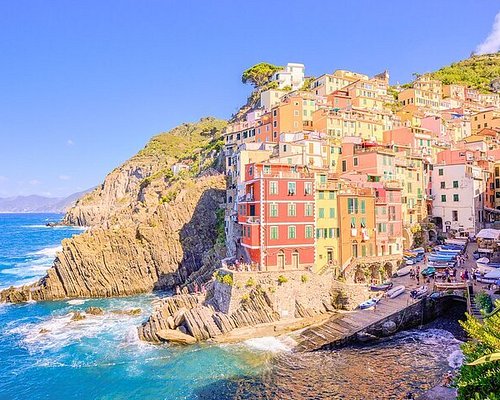
Liguria, a northwestern region of Italy, is a haven for tourists seeking an authentic and immersive experience. With its stunning coastline, picturesque towns, and rich natural heritage, Liguria offers a unique opportunity to explore the great outdoors while respecting the local environment. In this article, we will delve into the world of ecotourism in Liguria, highlighting five must-visit destinations that showcase the region’s incredible biodiversity.
What is Ecotourism?
Ecotourism is a type of tourism that focuses on exploring and appreciating the natural environment while promoting sustainable development. It involves responsible travel practices that minimize the impact on local ecosystems and support conservation efforts. In Liguria, ecotourism offers a chance to connect with nature, experience the region’s unique culture, and contribute to its preservation.
Destination 1: The Antola Nature Park
Located in the heart of Genoa, the Antola Nature Park is a treasure trove of biodiversity. Covering an area of over 12,000 hectares, this park is home to two distinct valleys: the Alta Valle Scrivia and the Alta Val Trebbia. These valleys offer stunning landscapes, diverse wildlife, and unique ecosystems that support a wide range of flora and fauna.
As you explore the Antola Nature Park, you’ll encounter iconic species such as the daino, the martin pescatore, and the poiana. The park’s geology is characterized by contrasting features, creating an environment that supports both Mediterranean and continental biomes. This diversity makes the Antola Nature Park a must-visit destination for nature enthusiasts.
Conservation Efforts in the Antola Nature Park
The Antola Nature Park is actively involved in conservation efforts to protect its unique biodiversity. The park’s management team works closely with local communities, NGOs, and government agencies to monitor and manage the region’s ecosystems. Visitors can participate in guided tours and educational programs that highlight the park’s conservation efforts and provide insights into the region’s rich natural history.
Tips for Visiting the Antola Nature Park
- Best time to visit: Spring (April-May) and autumn (September-October) are ideal for visiting the Antola Nature Park, when the weather is mild and the wildflowers are in bloom.
- Getting there: The park is located near Genoa, Italy. Visitors can reach the park by car or public transportation.
- Accommodation: There are several accommodation options available in the surrounding area, ranging from budget-friendly B&Bs to luxury hotels.
Destination 2: The Cinque Terre National Park
Located on the Ligurian coast, the Cinque Terre National Park is a UNESCO World Heritage Site and one of Italy’s most iconic destinations. This park comprises five colorful towns (Monterosso, Vernazza, Corniglia, Manarola, and Riomaggiore) perched on steep cliffs overlooking the Mediterranean Sea.
The park’s unique geography creates a stunning landscape with towering cliffs, crystal-clear waters, and lush vegetation. Visitors can explore the towns’ narrow streets, sample local cuisine, and enjoy water activities such as swimming, snorkeling, or kayaking. The Cinque Terre National Park is also home to an incredible array of flora and fauna, including the famous gabbiano reale (real seagull) and the falco pellegrino (peregrine falcon).
Conservation Efforts in the Cinque Terre National Park
The Cinque Terre National Park is actively involved in conservation efforts to protect its unique biodiversity. The park’s management team works closely with local communities, NGOs, and government agencies to monitor and manage the region’s ecosystems. Visitors can participate in guided tours and educational programs that highlight the park’s conservation efforts and provide insights into the region’s rich natural history.
Tips for Visiting the Cinque Terre National Park
- Best time to visit: Summer (June-August) is peak tourist season, while spring (April-May) and autumn (September-October) are ideal for visiting if you prefer fewer crowds.
- Getting there: The park is located on the Ligurian coast, Italy. Visitors can reach the park by car or public transportation.
- Accommodation: There are several accommodation options available in the surrounding area, ranging from budget-friendly B&Bs to luxury hotels.
Destination 3: The Porto Venere Nature Reserve
Located on the west coast of Liguria, the Porto Venere Nature Reserve is a haven for nature lovers. This reserve boasts an unparalleled combination of high cliffs, grottos, and beaches, creating an otherworldly landscape that’s both dramatic and serene.
One of the park’s highlights is its archipelago of three islands: Palmaria, Tino, and Tinetto. Visitors can take a boat tour to explore these islands, snorkel in the crystal-clear waters, or simply relax on the beach. The Porto Venere Nature Reserve also offers numerous hiking trails for those seeking adventure.
Conservation Efforts in the Porto Venere Nature Reserve
The Porto Venere Nature Reserve is actively involved in conservation efforts to protect its unique biodiversity. The park’s management team works closely with local communities, NGOs, and government agencies to monitor and manage the region’s ecosystems. Visitors can participate in guided tours and educational programs that highlight the park’s conservation efforts and provide insights into the region’s rich natural history.
Tips for Visiting the Porto Venere Nature Reserve
- Best time to visit: Spring (April-May) and autumn (September-October) are ideal for visiting the Porto Venere Nature Reserve, when the weather is mild and the wildflowers are in bloom.
- Getting there: The park is located on the west coast of Liguria, Italy. Visitors can reach the park by car or public transportation.
- Accommodation: There are several accommodation options available in the surrounding area, ranging from budget-friendly B&Bs to luxury hotels.
Destination 4: The Portofino Nature Park
Located on the eastern coast of Liguria, the Portofino Nature Park is a haven for those who love nature and architecture. This park protects an area of over 15 square kilometers, featuring a unique mix of Mediterranean forests, hills, and coastal cliffs.
The park is home to numerous hiking trails, ranging from easy strolls to challenging treks. Visitors can explore the park’s scenic coastline, enjoy water activities such as sailing or kayaking, or simply relax in one of the many beaches. The Portofino Nature Park also features a stunning variety of flora and fauna, including numerous bird species and unique rock formations.
Conservation Efforts in the Portofino Nature Park
The Portofino Nature Park is actively involved in conservation efforts to protect its unique biodiversity. The park’s management team works closely with local communities, NGOs, and government agencies to monitor and manage the region’s ecosystems. Visitors can participate in guided tours and educational programs that highlight the park’s conservation efforts and provide insights into the region’s rich natural history.
Tips for Visiting the Portofino Nature Park
- Best time to visit: Spring (April-May) and autumn (September-October) are ideal for visiting the Portofino Nature Park, when the weather is mild and the wildflowers are in bloom.
- Getting there: The park is located on the eastern coast of Liguria, Italy. Visitors can reach the park by car or public transportation.
- Accommodation: There are several accommodation options available in the surrounding area, ranging from budget-friendly B&Bs to luxury hotels.
Destination 5: The Beigua Natural Regional Park
Located on the Ligurian coast, the Beigua Natural Regional Park is a hidden gem that offers an unforgettable experience for nature enthusiasts. This park covers an area of over 15 square kilometers, featuring a diverse range of landscapes, including hills, forests, and coastal cliffs.
The park is home to numerous hiking trails, ranging from easy strolls to challenging treks. Visitors can explore the park’s scenic coastline, enjoy water activities such as swimming or kayaking, or simply relax in one of the many beaches. The Beigua Natural Regional Park also features a stunning variety of flora and fauna, including numerous bird species and unique rock formations.
Conservation Efforts in the Beigua Natural Regional Park
The Beigua Natural Regional Park is actively involved in conservation efforts to protect its unique biodiversity. The park’s management team works closely with local communities, NGOs, and government agencies to monitor and manage the region’s ecosystems. Visitors can participate in guided tours and educational programs that highlight the park’s conservation efforts and provide insights into the region’s rich natural history.
Tips for Visiting the Beigua Natural Regional Park
- Best time to visit: Spring (April-May) and autumn (September-October) are ideal for visiting the Beigua Natural Regional Park, when the weather is mild and the wildflowers are in bloom.
- Getting there: The park is located on the Ligurian coast, Italy. Visitors can reach the park by car or public transportation.
- Accommodation: There are several accommodation options available in the surrounding area, ranging from budget-friendly B&Bs to luxury hotels.
Conclusion
The Antola Nature Park, Cinque Terre National Park, Porto Venere Nature Reserve, Portofino Nature Park, and Beigua Natural Regional Park offer unique opportunities for nature enthusiasts to explore and experience the rich biodiversity of Liguria. These parks are not only protected areas but also active participants in conservation efforts to protect their ecosystems. Visitors can participate in guided tours and educational programs that highlight the park’s conservation efforts and provide insights into the region’s rich natural history.
By visiting these parks, you can contribute to the protection of these unique ecosystems and support local communities involved in conservation efforts.


