
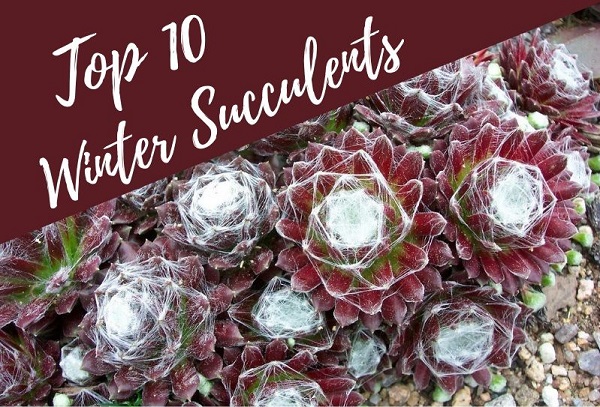
As a succulent enthusiast, you’re likely no stranger to the joys of growing these low-maintenance plants. With their ability to thrive in harsh conditions and provide a pop of color to any room, it’s easy to see why succulents have become increasingly popular. However, as the temperatures drop and the days get shorter, it’s essential to understand how to care for your succulent friends during the winter months.
In this article, we’ll delve into the world of succulent care, exploring the key factors that affect their growth and well-being during the winter season. From temperature and light to irrigation and fertilization, we’ll cover everything you need to know to keep your succulents happy and healthy throughout the year.
Understanding Succulent Needs
Before we dive into the specifics of winter care, it’s essential to understand what makes succulents tick. These plants are adapted to survive in harsh conditions, with features such as thick, waxy leaves that store water and a shallow root system that allows them to thrive in areas with limited soil depth.
While succulents can tolerate some neglect, they still require certain conditions to flourish. In the wild, they typically grow in well-draining soil and full sun to partial shade. When growing indoors, it’s crucial to replicate these conditions to ensure your succulents receive the right amount of light, water, and nutrients.
Temperature and Light
One of the most critical factors affecting succulent growth is temperature. Most succulents prefer daytime temperatures between 22°C (72°F) and 24°C (75°F), while nighttime temperatures can drop as low as 10-12°C (50-54°F). However, some species are more tolerant of cold temperatures than others.
Light is also essential for succulent growth, but excessive light can be detrimental. In the winter months, it’s best to provide your succulents with bright, indirect light, rather than direct sunlight, which can cause burning.
Irrigation and Fertilization
During the winter months, succulents require less water and nutrients. Overwatering is a common mistake that can lead to root rot and other problems. Instead, focus on allowing the soil to dry out slightly between waterings, and avoid getting water on the leaves to prevent fungal diseases.
Fertilization is also essential during the growing season (spring and summer), but can be skipped during the winter months when growth is slower. However, if you do choose to fertilize your succulents during the winter, make sure to use a balanced, water-soluble fertilizer at half the recommended strength.
Rinvasio (Repotting) of Succulents
While succulents don’t require frequent repotting, it’s essential to perform a thorough cleaning and refresh of their potting mix every 1-2 years. This helps prevent the buildup of old soil and root bound conditions that can lead to reduced growth.
When repotting your succulents, choose a well-draining potting mix specifically designed for cacti and succulents. Avoid using regular potting soil, which can retain too much water and cause root rot.
Common Winter Problems
While succulents are relatively low-maintenance plants, they can still be susceptible to certain problems during the winter months. Some common issues include:
- Overwatering: Succulents don’t like wet feet, so avoid getting water on the leaves or crown of the plant.
- Underwatering: On the other hand, succulents require some moisture to thrive, especially during the dry winter months.
- Pests and diseases: Keep an eye out for pests like mealybugs, spider mites, and scale, as well as fungal diseases that can cause leaf spot or root rot.
Tips for Succulent Care During Winter
Here are some additional tips to help you care for your succulents during the winter months:
- Reduce watering: Water sparingly, making sure not to overwater your succulents.
- Increase humidity: Mist your succulents with water regularly to maintain a humid microclimate.
- Provide bright light: Use grow lights or place your succulents near a sunny window to provide the necessary light for growth.
- Monitor temperature: Keep an eye on the temperature in your home, ensuring it stays within the recommended range.
Pruning and Shaping
During the winter months, it’s essential to prune and shape your succulents to maintain their health and appearance. Prune any dead or damaged leaves or stems to prevent the spread of disease and encourage new growth.
Propagation
Succulent propagation is a great way to share plants with friends or expand your own collection. There are several methods for propagating succulents, including:
- Leaf cuttings: Take leaf cuttings from mature succulents and allow them to dry out for a few days before planting in well-draining soil.
- Stem cuttings: Cut stems from mature succulents and plant them in well-draining soil, making sure the node is buried in the soil.
- Division: Divide established succulent plants by separating the roots and replanting them in separate pots.
Common Succulent Problems
While succulents are relatively low-maintenance plants, they can still be susceptible to certain problems. Some common issues include:
- Leaf drop: Leaf drop can be caused by overwatering, underwatering, or exposure to extreme temperatures.
- Slow growth: Slow growth can be caused by inadequate light, too little water, or poor soil quality.
- Pests and diseases: Keep an eye out for pests like mealybugs, spider mites, and scale, as well as fungal diseases that can cause leaf spot or root rot.
Winter Care Tips for Specific Succulent Species
While the general guidelines outlined in this article apply to most succulent species, there are some specific needs and requirements for certain types of plants. Here are a few examples:
- Aloe vera: Aloe vera prefers bright, indirect light and should be watered sparingly during the winter months.
- Echeveria: Echeveria prefers well-draining soil and partial shade during the winter months.
- Crassula: Crassula prefers bright, direct light and should be watered regularly during the winter months.
Conclusion
With these tips and guidelines, you’ll be well-equipped to care for your succulents during the winter months. Remember to focus on providing bright, indirect light, reducing watering, and monitoring temperature to ensure your plants receive the right conditions for growth.
By following these guidelines and tips, you’ll be able to enjoy the beauty of succulents throughout the year, even in the midst of winter’s chill. So go ahead, share some love with your succulent friends, and watch them thrive under your care!
Frequently Asked Questions (FAQs)
- How often should I water my succulents during the winter?
Answer: Water sparingly, making sure not to overwater your succulents. - Can I fertilize my succulents during the winter months?
Answer: Fertilization is generally not necessary during the winter months, but can be skipped if you do choose to fertilize your succulents. - How often should I repot my succulents?
Answer: Repot every 1-2 years, or when the plant becomes root-bound. - What’s the best way to prevent pests and diseases in my succulents?
Answer: Inspect your plants regularly, and treat any issues promptly with a fungicide or insecticidal soap. - Can I grow succulents outdoors during the winter?
Answer: Yes, but be aware that temperatures may drop significantly, and it’s essential to provide protection from frost and extreme cold.
By following these guidelines and tips, you’ll be able to enjoy the beauty of succulents throughout the year, even in the midst of winter’s chill.


