
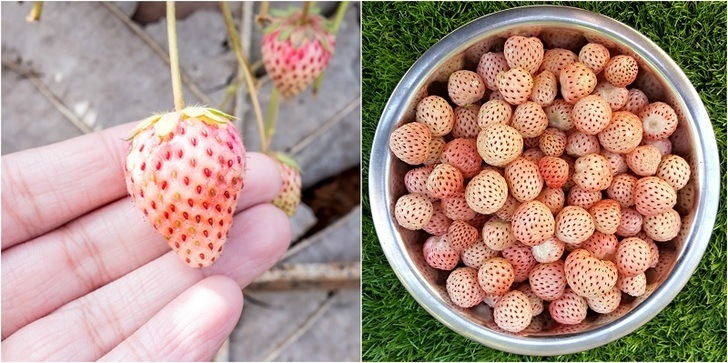
As the word “strawberry” comes to mind, thoughts naturally turn to the wild strawberry, that quintessential forest fruit. This sweet treat is always a welcome addition to Sunday desserts in the summer months. But what about the pineberry, a fruit with an ananas-like flavor and white berries speckled with red points? It may not be a lab-created concoction, but rather a naturally occurring one!
The true name of this fruit is Pineberry, which has been around since 1700 in South America. Today, it’s part of the species worth recovering in terms of biodiversity. Credit goes to agronomist Antoine Nicolas Duchesne for crossing two American wild strains and resulting in the “pineberry” hybrid – a larger and juicier version of its original parents.
Until recently, the pineberry was on the brink of disappearing due to lack of cultivation interest. But six years ago, a group of Dutch agronomists stepped up and successfully revived the rare fruit.
History of the Pineberry
Just a few months ago, the pineberry was only available in England. However, with the recent availability of seeds in Italy, now’s your chance to grow this exotic fruit yourself! You can purchase seeds online from Bakker, featuring their White Dream Fragaria Ananassa variety for €16.95 per pair.
The history of the pineberry dates back to 1700 in South America, where it was an integral part of local cuisine and culture. For centuries, it has been a cherished fruit among foodies worldwide, but its unique flavor profile has garnered even more attention in recent years.
Growing Pineberries
This unusual strawberry is easy to cultivate either in a garden or on your balcony. To start, you’ll need fertile soil rich in humus – improve it with fertilizer or compost if necessary. You can also plant seeds near autumn but be sure to protect the young plants from freezing temperatures.
After sowing, water sparingly and wait for fruiting between May and June. Pineberry plants typically grow up to 30 inches tall and can produce up to three harvests per year, making them a great choice for gardeners looking for a continuous supply of fresh fruits.
Growing Tips and Requirements
Before planting your seeds or buying seedlings, make sure you have fertile soil rich in humus and are ready to provide the necessary care. With a little dedication, your pineberry will thrive and reward you with delicious, sweet fruits.
Here are some additional tips for growing pineberries:
- Choose a sunny location with well-draining soil to ensure optimal growth.
- Plant pineberry seeds or seedlings in rows spaced 12 inches apart to promote good air circulation and prevent disease.
- Water your pineberry plants regularly, but avoid overwatering, which can lead to root rot.
- Fertilize your pineberries with a balanced fertilizer during the growing season to promote healthy growth.
History and Context
The pineberry’s origins date back to 1700 in South America, where it was an integral part of local cuisine and culture. For centuries, it has been a cherished fruit among foodies worldwide, but its unique flavor profile has garnered even more attention in recent years.
In the United States, pineberries were not widely cultivated until the early 20th century, when they became popular as a niche crop for specialty farms. Today, pineberries are grown commercially in several countries around the world, including the Netherlands, Italy, and the United Kingdom.
Reviving a Forgotten Fruit
Unfortunately, the pineberry was on the verge of extinction due to lack of cultivation interest. However, thanks to dedicated individuals like Antoine Nicolas Duchesne, who successfully crossed two American wild strains, we now have this exotic fruit available for growing.
Duchesne’s work marked an important milestone in the preservation of plant biodiversity, and his success has inspired other scientists to explore the potential of pineberries as a valuable crop.
The Pineberry’s Unique Flavor Profile
One of the most distinctive features of pineberries is their pineapple-like flavor profile. This unique taste has garnered significant attention among foodies worldwide, who are eager to try this exotic fruit for themselves.
Pineberries have a sweet and slightly tangy flavor that is both refreshing and invigorating. They are also rich in vitamins A and C, potassium, and fiber, making them an excellent choice for health-conscious consumers.
Conclusion
The pineberry is more than just an unusual fruit – it’s also an important part of biodiversity. By growing this exotic plant, we not only get to enjoy its unique flavor but also contribute to preserving the genetic heritage of our planet.
So why wait? Plant your seeds or buy seedlings today and join the journey to revive a forgotten fruit!
Frequently Asked Questions
Q: What is the pineberry’s taste like?
A: The pineapple-like flavor of the pineberry makes it an excellent choice for those looking to try something new.
Q: Where can I find pineberries in Italy?
A: Currently available seeds are being sold online from Bakker, with a special focus on their White Dream variety.
Q: How do I care for my pineberry plants?
A: To ensure the health and growth of your pineberry plants, provide fertile soil rich in humus and dedicated watering schedules.
Q: Why is the pineberry an important part of biodiversity?
A: The pineberry’s genetic diversity plays a vital role in preserving plant species worldwide.
Q: Is it challenging to grow pineberries?
A: While some care is needed, pineberries are relatively easy to cultivate, making them perfect for gardeners and balcony residents alike.
Q: What are the potential benefits of growing pineapple-like strawberries?
A: These plants can provide fresh flavors, contribute to biodiversity, and offer an opportunity to explore alternative plant species.
Q: How do I store my pineberry seeds or seedlings for winter?
A: To keep your pineberries healthy over the winter months, ensure that you have protected them from frost.


