
Understanding Wood Insects: What Are They and How to Eliminate Them
When the topic of wood insects comes up, our minds immediately think of the most common and destructive ones – termites. Unlike subterranean termites, which don’t require any contact with soil to multiply, these surface-dwelling termites thrive in undecayed wood with low humidity levels and can quickly expand their colony.
Let’s dive deeper into the world of wood insects.
What Are Wood Insects?
Wood insects, specifically termites, are organized into distinct classes or castes, each serving a specific biological function within the colony. Reproductive termites are the only ones with wings, while workers and soldiers focus on labor and defense tasks until they mature and change roles.
It’s also essential to note that their functions can shift over time. The majority of termite colonies in dry wood consists of workers, with reproductive individuals having a specialized masticating mouthpart suitable for breaking down cellulose.
What Do Wood Insects Eat?
Wood insects feed on wood and occasionally other cellulose-based materials like paper or cotton. They consume wood in homes, poles, furniture, and dying trees. Since they cannot directly digest cellulose, they have other microorganisms (protozoa and bacteria) in their stomachs that help break it down for later digestion.
Where Do Wood Insects Live?
Termites live in small social colonies within undecayed dry wood. They mate and fly to new areas of wood to establish colonies. All they need is a small hole in the wood to begin forming a colony.
The initial size of their colonies can be quite limited, around 50 units, but after four years, these colonies can contain up to 700 individual termites. This growth period can repeat, with colonies reaching approximately 3,000 individuals by age 15.
It’s crucial to remember that termite colonies don’t require a water source and survive on the moisture produced from cellulose digestion.
What Type of Wood Are Termites Attracted To?
Termites are attracted to undecayed dry wood. This includes structural timber, dead tree branches, shade trees, and poles. These areas provide sufficient humidity levels for termite survival.
Since termites have a low requirement for moisture, they can thrive in conditions with minimal rainfall, allowing them to remain above ground and avoiding contact with soil.
Signs of Wood Insect Infestation
Galleries within the wood are typical signs of an infestation. Also, look out for characteristic pellet feces mounds, which could indicate termite presence.
Additionally, other signs may include:
- Hollowing or weakening of wooden structures
- Cracks in wooden surfaces
- Discoloration or staining on the surface
- Evidence of insect wings or shed exoskeletons
How to Treat Wood Insects?
There are various methods to treat wood insects. Fumigation is often a good option: a certified pest control operator can seal and fumigate the entire structure using toxic gases like fluorinated solvents or bromine methyl gas.
Alternatively, you can apply liquid, aerosol, or powder treatments directly to infested wood. To do so, create holes through termite galleries for insecticide dispersal or inject powders into these areas in small quantities.
Other Types of Wood Insects
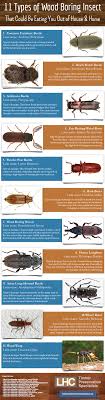
While termites are the most widely recognized wood insects, they’re not the only ones. For instance, there’s a type called the ‘wood-rotting beetle,’ which can create significant damage to wooden structures.
These beetles thrive in moist environments and often live within decaying wood or even partially decayed trees.
Other types of wood insects include:
- Carpenter ants: These large ants feed on the cellulose in wood, creating extensive galleries that weaken structural integrity.
- Powderpost beetles: Similar to wood-rotting beetles, these pests create significant damage by feeding on the cellulose and leaving behind powdery residue.
- Xylosandrus beetles: These tiny beetles primarily feed on tree sap but can also cause damage to wooden structures.
Conclusion
Termites are just one of many types of insects that infest wood. Knowing what they look like, where they live, and how they reproduce is essential for preventing termite infestations and treating their colonies effectively.
Whether it’s a new gazebo in your garden or an old wooden deck, early detection is key to dealing with these pests.
If you suspect that termites have infested your wood structures, contact an experienced pest control professional to provide guidance on the best course of action for eliminating these unwanted guests.
Frequently Asked Questions
- What are some common signs of termite activity?
Signs include galleries within the wood and pellet feces mounds. - Can I prevent termite infestations?
Prevention involves avoiding infested areas, maintaining humidity levels, and sealing cracks in wooden structures. - How do termites communicate with each other?
Termites use chemical signals to communicate for mating and colony organization. - What is the typical lifespan of a termite colony?
Termite colonies can grow and multiply over several years before being treated or dying naturally. -
Are all types of wood insects harmful?
Not all wood-destroying insects are as destructive as termites, but some can still cause significant damage to wooden structures. -
How do I identify the type of termite infesting my property?
Identify by observing termite behavior and habitat preferences. - Can termites infest dry wood only?
Termites thrive in both undecayed wood and partially decayed trees, depending on humidity levels. -
Will termite treatment damage surrounding plants or other organisms?
Properly trained professionals can minimize the impact of treatments on nearby plants. -
How often should I inspect my wooden structures for signs of termite activity?
Regular inspections are recommended to catch any potential issues early. - What preventative measures can help prevent future infestations?
Seal all cracks and crevices in wood, keep surrounding moisture levels under control, maintain cleanliness around wooden items, and avoid overwatering plants near wooded structures.
Additional Tips for Preventing Termite Infestations:
- Install termite-resistant barriers around your home
- Keep firewood off the ground to prevent termites from reaching it
- Reduce humidity levels in your home by using a dehumidifier or ensuring proper ventilation
- Regularly inspect wooden structures, including fences, decks, and porches
Common Mistakes to Avoid When Treating Wood Insects:
- Not identifying the type of termite infestation before treatment
- Applying insecticides too close to the surface of the wood
- Using treatments that are not specifically designed for your type of wood or pest
- Not sealing cracks and crevices in wood properly
By understanding what wood insects are, how they reproduce, and how to eliminate them, you can take steps to protect your wooden structures from damage.


