
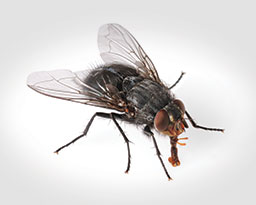
As we go about our daily lives, it’s hard to ignore the tiny creatures that buzz around us – flies. These insects are ubiquitous, yet often misunderstood. In this article, we’ll delve into the world of flies, exploring their lifespan, diet, and behavior.
The Meaning of “Mosca”
When we refer to a fly, we usually mean an insect from the order Diptera, which includes various species with distinct characteristics. However, in everyday language, the term “mosca” is often used to describe any fly-like creature, leading to confusion. In this article, we’ll focus on the most common type of fly: the housefly (Musca domestica).
The Mosquito – A Metaphor for Success?
When we say someone is a “mosca bianca,” or white fly, we often mean they’re part of an exclusive group or have achieved something impressive. This term is similar to saying someone’s a “peacock” – a symbol of success and prestige.
The Domestic Fly: A Ubiquitous Pest
The housefly (Musca domestica) is one of the most common flies found in homes and buildings worldwide. It’s an excellent example of how an insect can thrive in various environments, making it a fascinating subject for study.
Why Do Flies Bother Us So Much?
Flies are infamous for their ability to annoy us, but have you ever wondered why they’re so persistent? According to legend, the number 58 is a magic number that repels flies. While this myth may not be entirely true, it’s fascinating to explore the reasons behind our fascination with these insects.
The Anatomy of a Fly
Flies are relatively small, measuring between 5-10 millimeters in length. They have a compact body with distinct parts, including a head, thorax, and abdomen. Their most distinctive feature is their ability to walk on any surface, including glass and other smooth surfaces.
What Do Flies Eat?
As larvae, flies feed on plant material, animal waste, or even the flesh of animals. Some species, like the tummy fly, have a unique adaptation – they use their proboscis to pierce solid objects. When adult flies emerge, they primarily feed on sugary substances like nectar and soda.
The Life Cycle of Flies
Flies have a relatively short lifespan, typically lasting three weeks. However, this duration can vary greatly depending on factors like environment and species. Despite their brevity, flies are incredibly prolific, with some species reproducing multiple times within a few days.
Fly Vision: A Mosaic of Perception
One of the most interesting aspects of fly biology is their visual system. Flies have compound eyes composed of thousands of individual lenses, giving them incredible depth perception and motion detection abilities. This unique visual system allows flies to detect movement and changes in light, making them expert navigators.
Fly Behavior: A Social Butterfly?
Flies are often thought of as solitary creatures, but some species exhibit complex social behavior. For example, the Mediterranean fruit fly is known for its ability to communicate with other flies through a series of clicks and chirps.
The Science Behind Fly Communication
Researchers have discovered that flies use a variety of signals to communicate with each other, including pheromones, body language, and even sound waves. This complex communication system allows flies to coordinate their behavior and work together to achieve common goals.
Conclusion
In conclusion, flies are more than just pesky insects; they’re fascinating creatures with unique characteristics that have captivated humans for centuries. By exploring their behavior, diet, and anatomy, we can gain a deeper appreciation for these often-misunderstood animals.
Frequently Asked Questions (FAQs)
- How do I get rid of flies in my home?
- Try using traps or eliminating food sources to prevent attracting flies.
- Why do flies buzz around me?
- Flies are attracted to movement and light, so try moving slowly and avoiding bright lights.
- Can flies see colors?
- Research suggests that flies have limited color vision but can detect movement and changes in brightness.
- How long do flies live?
- The average lifespan of a fly is three weeks, although this duration can vary depending on environmental factors.
- What’s the difference between a housefly and a fruit fly?
- Houseflies are larger and have a more robust body, while fruit flies are smaller with more slender wings.
- Why do I feel so annoyed by flies?
- Flies can be perceived as a nuisance due to their constant buzzing and potential presence of diseases like typhoid fever.
- Can flies bite humans?
- While flies don’t typically bite, some species may use their proboscis to pierce skin in search of food or shelter.
- How can I prevent attracting flies to my home?
- Regularly clean and dispose of trash, cover food sources, and eliminate standing water.
Interesting Fly Facts
- Flies are responsible for spreading diseases like typhoid fever, cholera, and dysentery in humans.
- Some species of flies can fly at speeds of up to 45 miles per hour (72 kilometers per hour).
- The lifespan of a housefly is typically three weeks, but some species can live for several months.
- Flies have been known to visit flowers to gather nectar, making them important pollinators in certain ecosystems.
The Role of Flies in Ecosystems
Despite their reputation as pests, flies play a crucial role in many ecosystems. As pollinators, they help transfer pollen between plants, facilitating the reproduction of many plant species. Additionally, some species of flies are decomposers, breaking down organic matter and recycling nutrients.
Conclusion: The Fascinating World of Flies
In conclusion, flies are more than just pesky insects; they’re fascinating creatures with unique characteristics that have captivated humans for centuries. By exploring their behavior, diet, and anatomy, we can gain a deeper appreciation for these often-misunderstood animals. Whether you view them as pests or marvel at their intricate social structures, flies are undoubtedly one of the most fascinating insects on the planet.


