
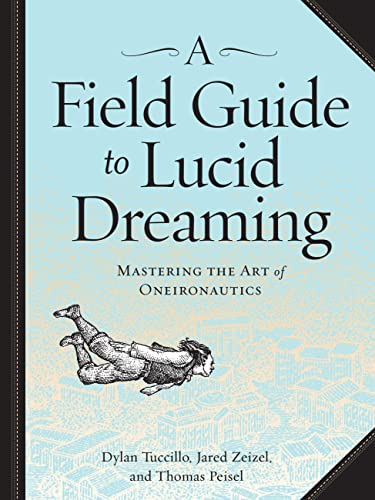
Introduction
Lucid dreaming, also known as onironautica, is a fascinating phenomenon where an individual becomes aware that they are dreaming and can often control the narrative. This article will delve into the world of lucid dreaming, exploring its history, techniques, benefits, and much more.
What is Lucid Dreaming?
Lucid dreaming is a state of consciousness characterized by self-awareness and control over one’s dreams. During a lucid dream, the individual is aware that they are dreaming and can often manipulate the content of their dreams. This awareness allows them to explore their subconscious mind, confront fears, and gain insights into their psyche.
The History of Lucid Dreaming
Lucid dreaming has been practiced for centuries, with ancient civilizations such as the Greeks and Sciamani exploring its potential. The term “onironautica” was coined by Frederik van Eeden, a Dutch psychiatrist who first described the phenomenon in the early 20th century.
The Science Behind Lucid Dreaming
Research has shed light on the neural mechanisms underlying lucid dreaming. Studies have shown that during lucid dreams, the brain’s default mode network (DMN) is active, which is responsible for introspection and self-reflection. Additionally, the DMN is more active in individuals who practice mindfulness and meditation, suggesting a link between these practices and lucid dreaming.
Techniques for Inducing Lucid Dreaming
While lucid dreaming can be unpredictable, there are several techniques that can increase your chances of inducing this state:
- Reality checking: Regularly check your surroundings to see if you’re dreaming. This can be done by performing simple actions like pinching yourself or looking at a digital clock.
- Keeping a dream journal: Writing down your dreams as soon as you wake up can help you become more aware of your dreams and identify patterns.
- Meditation and mindfulness: Cultivating mindfulness through meditation can increase your self-awareness, making it easier to recognize when you’re dreaming.
- Wake-back-to-bed technique: Set an alarm to wake up after a few hours of sleep, stay awake for a short time, and then go back to bed. This can increase your chances of entering a lucid dream state.
- MILD (Mnemonic Induction of Lucid Dreams) technique: Before falling asleep, repeat the phrase “I will be aware that I’m dreaming” or a similar mantra to yourself.
Books on Lucid Dreaming
For those interested in learning more about lucid dreaming, there are several books that offer valuable insights and techniques:
- “The Art of Living the Dreams”: A comprehensive guide to lucid dreaming, covering topics such as reality checking, meditation, and dream journaling.
- “Lucid Dreaming: Gateway to the Inner Self”: A book that explores the benefits of lucid dreaming, including personal growth, creativity, and spiritual exploration.
- “Dreaming and the Brain: An Introduction to the Neurobiology of Sleep and Dreams”: A scientific exploration of the neural mechanisms underlying dreams and lucid dreaming.
Real-Life Experiences with Lucid Dreaming
Many people have reported having vivid and memorable experiences while lucid dreaming. These experiences can be life-changing, offering insights into the subconscious mind and providing a unique perspective on reality.
The Psychology of Lucid Dreaming
Lucid dreaming is not just a fascinating phenomenon; it also offers valuable insights into the human psyche. By exploring the subconscious mind through lucid dreaming, individuals can:
- Confront fears and anxieties: Lucid dreaming provides an opportunity to confront and overcome deep-seated fears and anxieties.
- Develop self-awareness: By becoming more aware of their thoughts, emotions, and behaviors, individuals can gain a deeper understanding of themselves.
- Explore creativity and imagination: Lucid dreaming can tap into the creative potential of the subconscious mind, leading to innovative ideas and insights.
Lucid Dreaming in Popular Culture
Lucid dreaming has appeared in various forms of media, including literature, film, and television. These depictions often exaggerate or distort the reality of lucid dreaming, but they can still inspire interest and curiosity about this phenomenon.
Conclusion
Lucid dreaming is a fascinating phenomenon that offers a unique window into the human psyche. By exploring the world of lucid dreaming, individuals can gain valuable insights into their subconscious mind, confront fears and anxieties, and tap into their creative potential. Whether you’re interested in personal growth or simply want to explore the mysteries of the dream world, lucid dreaming is an experience worth considering.
Frequently Asked Questions
- Q: What is the difference between a lucid dream and a regular dream?
A: The main difference between a lucid dream and a regular dream is self-awareness. In a lucid dream, the individual is aware that they are dreaming and can often control the narrative. - Q: How can I increase my chances of having a lucid dream?
A: Techniques such as reality checking, keeping a dream journal, meditation, and mindfulness can increase your chances of inducing a lucid dream state. - Q: What is the purpose of lucid dreaming?
A: The purpose of lucid dreaming varies from person to person. Some use it for personal growth and self-awareness, while others explore its creative potential or seek spiritual enlightenment. - Q: Can anyone have a lucid dream?
A: While anyone can try to induce a lucid dream state, some people may find it more challenging than others due to factors such as sleep quality or cognitive abilities. - Q: Are there any risks associated with lucid dreaming?
A: As with any practice that involves exploring the subconscious mind, there are potential risks and side effects. These can include emotional instability, anxiety, or a sense of disorientation upon waking.
Conclusion: Putting Lucid Dreaming into Practice
Lucid dreaming is not just a fascinating phenomenon; it’s also an achievable goal for those willing to put in the effort. By incorporating techniques such as reality checking, keeping a dream journal, and meditation into your daily routine, you can increase your chances of inducing a lucid dream state.
Remember that patience and persistence are key when exploring the world of lucid dreaming. Don’t get discouraged if you don’t experience immediate results – with time and practice, you’ll become more aware of your dreams and better equipped to navigate the realm of lucid dreaming.


