
Introduction
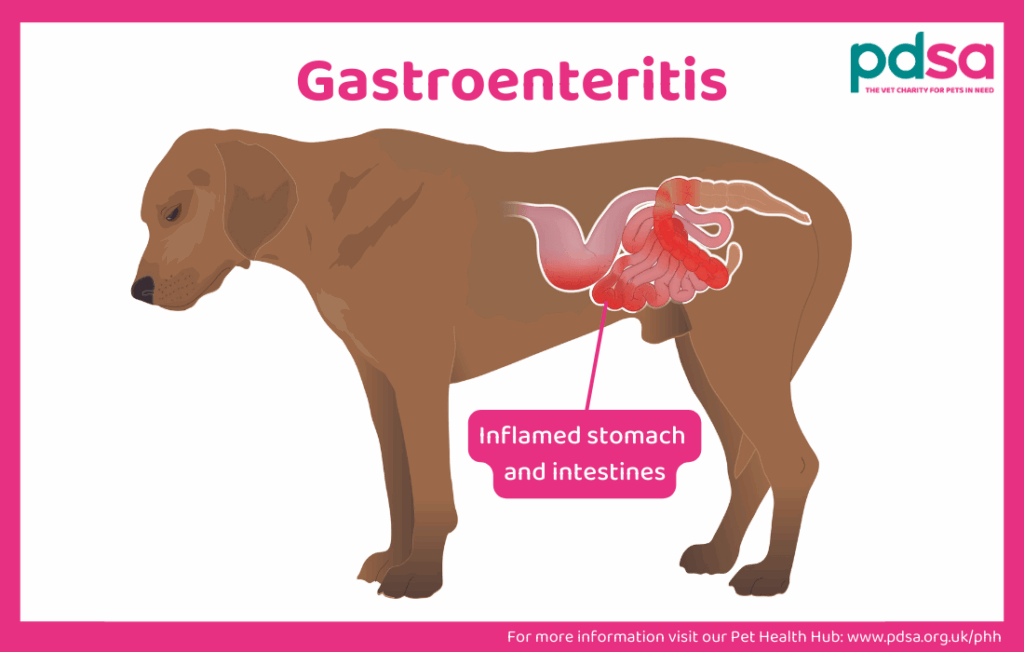
As a responsible pet owner, it’s essential to recognize the signs of gastritis in your dog. Gastritis is an inflammation of the stomach lining that can lead to chronic vomiting, weight loss, and other health complications. In this article, we’ll delve into the causes, symptoms, diagnosis, treatment options, and what you can do to support your furry friend.
What is Canine Gastritis?
Canine gastritis is an acute or chronic inflammation of the stomach lining that can cause vomiting, diarrhea, weight loss, and other gastrointestinal issues. The exact cause of gastritis in dogs is still not fully understood, but it’s believed to be related to factors such as diet, genetics, and environmental influences.
Sintomi della Gastrite Nei Cani
If your dog is suffering from gastritis, you may notice the following symptoms:
- Vomiting: This is one of the most common symptoms of gastritis in dogs. The vomit may contain bile, blood, or food particles.
- Diarrhea: Dogs with gastritis may experience diarrhea due to an imbalance of gut bacteria or inflammation of the stomach lining.
- Weight loss: Chronic vomiting and diarrhea can lead to weight loss and malnutrition.
- Loss of appetite: Your dog may lose interest in food due to the discomfort caused by gastritis.
- Abdominal pain: Dogs with gastritis may exhibit signs of abdominal pain, such as panting, restlessness, or avoiding exercise.
Causes of Canine Gastritis
While the exact cause of gastritis in dogs is still not fully understood, several factors can contribute to its development:
- Food allergies or sensitivities
- Infections (e.g., parvovirus)
- Pancreatitis
- Neoplasia (cancer)
- Foreign bodies (e.g., hairballs)
- Dietary changes
Dietary Factors and Canine Gastritis
The diet of your dog can play a significant role in the development of gastritis. Some common dietary factors that may contribute to gastritis include:
- Food allergies or sensitivities: Dogs with food allergies or sensitivities may experience inflammation of the stomach lining, leading to gastritis.
- High-fat diets: Diets high in fat can cause inflammation and irritation of the stomach lining, increasing the risk of gastritis.
- Processed foods: Processed foods may contain preservatives, additives, or other ingredients that can irritate the stomach lining and lead to gastritis.
- Low-quality feed: Feeding your dog low-quality food can lead to nutritional deficiencies, which may contribute to gastritis.
Environmental Factors and Canine Gastritis
In addition to dietary factors, environmental influences can also play a role in the development of gastritis. Some common environmental factors that may contribute to gastritis include:
- Stress: Stress can cause changes in digestion and increase the risk of gastritis.
- Environmental toxins: Exposure to environmental toxins, such as pesticides or heavy metals, may contribute to inflammation of the stomach lining and lead to gastritis.
Diagnosing Canine Gastritis
To diagnose gastritis in your dog, your veterinarian will perform the following steps:
- Medical history: Your veterinarian will ask about your dog’s dietary habits, health issues, and any recent changes.
- Physical examination: A thorough physical examination will help identify signs of abdominal pain, weight loss, or other symptoms.
- Diagnostic tests: Your veterinarian may conduct blood work, urine analysis, radiography (x-rays), or endoscopy to rule out other conditions.
Treatment Options for Canine Gastritis
The treatment plan for gastritis in dogs depends on the severity of the condition and your dog’s overall health:
- Rehydration therapy: Your veterinarian will administer fluids through a syringe or IV tube to help rehydrate your dog.
- Anti-emetics: To reduce vomiting, anti-emetic medications may be prescribed.
- Antibiotics: If an infection is present, antibiotics may be necessary to treat the underlying cause.
- Dietary changes: A bland diet or a restricted-food diet may be recommended to ease digestion and reduce inflammation.
Supporting Your Dog with Gastritis
In addition to treatment options, there are several ways you can support your dog with gastritis:
- Provide plenty of fresh water: Encourage your dog to drink plenty of water to stay hydrated.
- Feed small, frequent meals: Divide your dog’s daily ration into smaller meals to reduce stress on the stomach lining.
- Avoid over-exercise: Reduce exercise intensity and frequency to avoid further irritating the stomach lining.
Preventing Canine Gastritis
While there’s no guaranteed way to prevent gastritis in dogs, you can take steps to minimize the risk:
- Feed a balanced diet: Provide a high-quality, balanced diet that meets your dog’s nutritional needs.
- Avoid overfeeding: Monitor your dog’s weight and adjust feeding amounts accordingly.
- Provide regular exercise: Regular physical activity can help reduce stress and promote overall health.
Conclusion
Canine gastritis is a common condition that requires prompt attention from your veterinarian. By recognizing the signs, causes, and symptoms of gastritis, you can take steps to support your furry friend and prevent complications. If you suspect your dog has gastritis, consult with your veterinarian immediately for proper diagnosis and treatment.
Frequently Asked Questions (FAQs)
- What are the common signs of gastritis in dogs?
- Vomiting, diarrhea, weight loss, loss of appetite, abdominal pain.
- Can canine gastritis be caused by food allergies or sensitivities?
- Yes, food allergies or sensitivities can contribute to gastritis in dogs.
- How is gastritis diagnosed in dogs?
- Your veterinarian will perform a medical history, physical examination, and diagnostic tests (e.g., blood work, urine analysis).
- What are the treatment options for canine gastritis?
- Rehydration therapy, anti-emetics, antibiotics, dietary changes.
- Can I prevent my dog from developing gastritis?
- While there’s no guaranteed way to prevent gastritis, you can minimize the risk by feeding a balanced diet, avoiding overfeeding, and providing regular exercise.
Please consult with your veterinarian for personalized advice on diagnosing and treating canine gastritis.


