
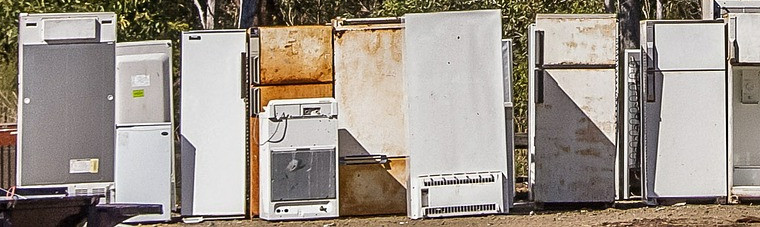
Refrigerator recycling is a crucial process that plays a significant role in material recovery. It falls under the category of R1 waste, which includes electrical and electronic appliances. The refrigerator recycling process involves several stages, including collection, disassembly, and processing of materials recovered.
Understanding the Importance of Refrigerator Recycling
The importance of refrigerator recycling cannot be overstated. As the world grapples with the challenges of climate change, environmental pollution, and resource depletion, recycling is becoming increasingly crucial. By recovering materials from old refrigerators, we can reduce waste, conserve natural resources, and decrease greenhouse gas emissions.
In addition to its environmental benefits, refrigerator recycling also has significant economic advantages. Recycling programs can create jobs, stimulate local economies, and provide a new market for recycled materials. Furthermore, recycling reduces the need for virgin materials, which can help to mitigate supply chain disruptions and price volatility in the market.
How Refrigerators Contribute to Environmental Pollution
In the average refrigerator, there are 4 kilograms of polyurethane, a polymer used for insulation in household appliances. The recovery of polyurethane from refrigerators can produce an eco-friendly absorbent capable of reducing oil and hydrocarbon emissions. This is just one example of how recycling old refrigerators can have a significant impact on the environment.
Polyurethane is also used in other applications, such as foam cushions and mattresses. However, its disposal poses significant challenges due to its difficulty in decomposition and represents approximately 15% of the materials used in refrigerators.
The Role of Polyurethane in Refrigerator Recycling
Poliuretano is the primary material that makes up the carcass of a refrigerator, providing insulation between the interior and exterior. However, this substance poses significant challenges due to its difficulty in disposal and represents approximately 15% of the materials used in refrigerators.
To address these challenges, researchers have been working on developing new technologies for recycling polyurethane. These technologies include mechanical recycling methods, chemical recycling methods, and biodegradation processes. By recovering polyurethane from old refrigerators, we can produce a valuable resource that can be used to make new products.
The Development of Eco-Friendly Absorbents
Companies like Airbank have developed eco-friendly absorbents using recycled polyurethane. These products can treat chemical pollutants such as gasoline, oil, and paint, making them effective in cleaning contaminated water sources.
Airbank’s eco-friendly absorbent is made from 100% recycled materials and has been shown to be effective in treating a wide range of contaminants. By developing this technology, Airbank has helped to reduce the amount of waste sent to landfills and has created a new market for recycled polyurethane.
Consorzi for Refrigerator Recycling: Key Players in the Industry
In Italy, there are several consorts that play a significant role in refrigerator recycling, including APIRAEE, CCR, Re.Media, Ecodom, Ecoelit, Ecolight, ERP Italia, and Ecor’It. These consortia work together to manage the collection, treatment, and disposal of waste electrical and electronic equipment.
APIRAEE is one of the most prominent consorts in Italy, with a focus on recycling waste electrical and electronic equipment. The consortia work closely with manufacturers, retailers, and consumers to promote responsible waste management practices.
Who’s Responsible for Refrigerator Recycling?
The European Union’s RAEE Directive holds producers accountable for collecting and treating hazardous waste generated by their products. This includes refrigerators. As a result, manufacturers are required to pay an environmental contribution that is factored into the cost of purchasing new appliances.
Retailers also have a responsibility to collect old refrigerators at the time of purchase for a new appliance. Distributors can use existing recycling systems, such as those managed by APIRAEE and CCR, which handle waste disposal and recycling.
The Obligation to Retire Old Refrigerators When Buying New Ones
Retailers have the responsibility to collect old refrigerators at the time of purchase for a new appliance. Distributors can use existing recycling systems, such as those managed by APIRAEE and CCR, which handle waste disposal and recycling.
To ensure effective refrigerator recycling, retailers must work closely with manufacturers, distributors, and consumers to promote responsible waste management practices. This includes educating consumers about the importance of recycling refrigerators and providing clear instructions for returning old appliances.
Best Practices for Recycling Refrigerators
To ensure effective refrigerator recycling, consider the following best practices:
- Purchase refurbished or second-hand appliances to reduce electronic waste
- Buy new appliances with environmentally friendly materials
- Support companies that prioritize sustainable practices in their manufacturing processes
By adopting these practices, we can significantly reduce our environmental footprint and promote a more circular economy.
Frequently Asked Questions
- What happens to refrigerators after they are collected?
Refrigerators undergo disassembly and material recovery before being recycled. - Can old refrigerators be safely disposed of in the trash?
No, it’s not recommended as it can harm the environment and contaminate soil and water sources. - How do companies develop eco-friendly absorbents from recycled materials?
Companies use various processes to recover materials like polyurethane and create new products that reduce pollution. - Can I recycle my old refrigerator at home?
It’s best to contact local recycling centers or consortia that handle waste management for guidance on the collection process. -
What is the environmental impact of producing new appliances instead of repairing or reusing existing ones?
The production of new appliances contributes to increased energy consumption, resource depletion, and pollution. -
Can I recycle other electronic devices besides refrigerators?
Yes, many companies offer electronics take-back programs or recycling centers that accept a wide range of devices. - How can consumers make environmentally friendly choices when purchasing household items?
Choose products made from sustainable materials, buy second-hand appliances, and support companies that prioritize eco-friendly practices.
-
What is the future of refrigerator recycling, and how can we improve it?
As technology advances, new methods for recycling and processing materials are being developed to minimize waste and pollution. -
Can refrigerator recycling be combined with other sustainability initiatives?
Yes, refrigerator recycling can be combined with other sustainability initiatives such as energy efficiency programs, sustainable agriculture practices, and renewable energy production. -
How can communities promote refrigerator recycling through education and outreach efforts?
Community members can play a crucial role in promoting refrigerator recycling by educating others about the importance of responsible waste management practices. Community-based initiatives can also provide support for local recycling programs and promote sustainable consumption patterns.
- What are some challenges facing refrigerator recycling, and how can they be addressed?
Challenges facing refrigerator recycling include lack of awareness among consumers, inadequate recycling infrastructure, and limited economic incentives for recycling. These challenges can be addressed by implementing education and outreach campaigns, investing in recycling infrastructure, and offering economic incentives for recycling.
- Can refrigerator recycling contribute to reducing greenhouse gas emissions?
Yes, refrigerator recycling can contribute to reducing greenhouse gas emissions by conserving energy and resources, decreasing waste sent to landfills, and promoting sustainable consumption patterns.
In conclusion, refrigerator recycling is a crucial process that plays a significant role in material recovery. By understanding the importance of refrigerator recycling, we can reduce waste, conserve natural resources, and decrease greenhouse gas emissions. Additionally, refrigerator recycling can contribute to reducing environmental pollution, conserving energy and resources, and promoting sustainable consumption patterns.


