
When it comes to dried fruits, apricots are often considered one of the most nutritious options. But how do they compare to other dried fruits in terms of their health benefits and nutritional value? In this article, we’ll delve into the world of dried apricots and explore their properties, recipes, calorie content, and more.
The Nutritional Properties of Dried Apricots
Dried apricots are an excellent source of antioxidants and anti-inflammatory compounds. They contain a range of vitamins and minerals, including vitamin A, C, K, and potassium. These nutrients can help to protect against chronic diseases such as heart disease, cancer, and cognitive decline.
But what makes dried apricots stand out from other dried fruits? Let’s take a closer look at their nutritional profile:
- Calorie Content: Dried apricots contain approximately 200 calories per 100 grams.
- Vitamin A: Two ounces of dried apricots provide the recommended daily intake of vitamin A, an essential nutrient for healthy vision, immune function, and skin health.
- Fiber: Dried apricots are a good source of dietary fiber, which can help to regulate bowel movements, prevent constipation, and support healthy blood sugar levels.
- Potassium: Apricots are rich in potassium, an electrolyte that helps to maintain healthy blood pressure, promote bone health, and support muscle function.
Recipes Featuring Dried Apricots
Dried apricots can be used in a variety of sweet and savory recipes. Here are some ideas to get you started:
- Apricot Muffins: A delicious breakfast or snack option that combines the natural sweetness of dried apricots with the warmth of cinnamon and nutmeg.
- Apricot and Banana Oatmeal: A hearty and comforting bowl of oatmeal featuring dried apricots, banana slices, and a hint of cinnamon.
- Apricot Chicken Salad: A refreshing and healthy salad that combines cooked chicken, diced apricots, mixed greens, and a tangy vinaigrette.
Health Benefits of Dried Apricots
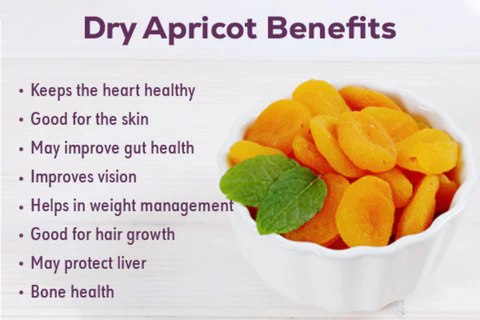
Dried apricots have been shown to have numerous health benefits, including:
- Anti-Anemia Properties: The high iron content in dried apricots can help to combat anemia, a condition characterized by low red blood cell count.
- Antioxidant Activity: Dried apricots contain a range of antioxidants that can help to protect against oxidative stress and inflammation.
- Digestive Health: The fiber content in dried apricots can help to regulate bowel movements, prevent constipation, and support healthy gut bacteria.
Using Dried Apricots During Pregnancy
Dried apricots are a nutritious snack option for pregnant women, particularly those looking to boost their iron intake. However, it’s essential to note that some dried apricots may contain sulfites, which can be problematic for individuals with sensitive digestive systems or pre-existing medical conditions.
Frequently Asked Questions (FAQs)
Here are some answers to common questions about dried apricots:
- Q: Are dried apricots a good source of fiber?
A: Yes, dried apricots are a good source of dietary fiber, which can help to regulate bowel movements and support healthy blood sugar levels. - Q: How do I store dried apricots?
A: Dried apricots can be stored at room temperature for up to 6 months or in an airtight container in the refrigerator for up to 1 year. - Q: Can I use dried apricots in savory dishes?
A: Absolutely! Dried apricots can add natural sweetness and chewiness to savory dishes, making them an excellent addition to salads, stews, and stir-fries.
Health Benefits of Dried Apricot Juice
Dried apricot juice is a concentrated form of the fruit’s nutritional benefits. Drinking dried apricot juice regularly can help to:
- Boost Immune Function: The vitamin A content in dried apricot juice can help to support immune function and reduce the risk of illness.
- Promote Healthy Skin: The antioxidants in dried apricot juice can help to protect against oxidative stress and promote healthy, glowing skin.
- Support Eye Health: The beta-carotene content in dried apricot juice can help to reduce the risk of age-related macular degeneration and cataracts.
Precautions When Consuming Dried Apricots
While dried apricots are a nutritious snack option, there are some precautions to be aware of:
- Allergies: Some individuals may experience allergic reactions when consuming dried apricots. If you’re new to eating dried apricots, start with small amounts and monitor your body’s response.
- Digestive Issues: Dried apricots can cause digestive issues in some individuals, particularly those with sensitive stomachs or pre-existing medical conditions. Start with small amounts and adjust as needed.
- Pregnancy and Breastfeeding: As mentioned earlier, dried apricots can be a nutritious snack option for pregnant women. However, it’s essential to note that some dried apricots may contain sulfites, which can be problematic for individuals with sensitive digestive systems or pre-existing medical conditions.
Conclusion
Dried apricots are a nutrient-rich food option that offers numerous health benefits and culinary possibilities. Whether you’re looking to boost your iron intake, support healthy digestion, or simply enjoy a delicious snack, dried apricots are an excellent choice. By incorporating dried apricots into your diet and following the precautions outlined above, you can unlock their nutritional power and reap the rewards of this delicious and nutritious fruit.
Additional Tips for Enjoying Dried Apricots
Here are some additional tips for enjoying dried apricots:
- Choose Unsulfured Apricots: If you’re concerned about sulfites in your dried apricots, choose unsulfured options to avoid any potential digestive issues.
- Soak Dried Apricots: Soaking dried apricots in water or a hydrating liquid can help to rehydrate them and make them easier to digest.
- Combine with Other Ingredients: Combining dried apricots with other ingredients, such as nuts, seeds, or spices, can add natural sweetness and depth to your recipes.
By incorporating these tips into your diet and following the precautions outlined above, you can enjoy the nutritional power of dried apricots while minimizing any potential risks.


