
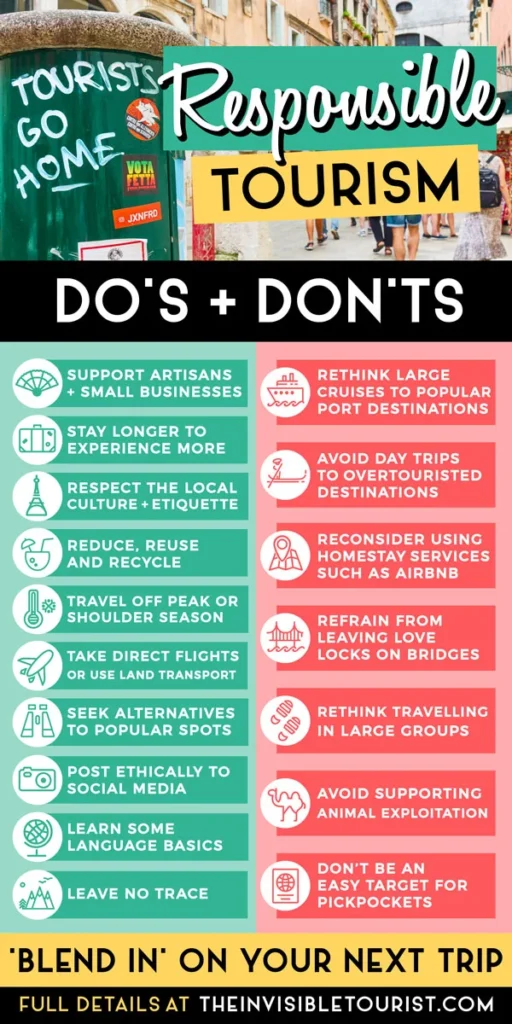
As travelers, we often think of tourism as a way to explore new destinations and experience different cultures. However, our actions can have a significant impact on the places we visit, from environmental degradation to economic exploitation. In this article, we’ll delve deeper into the concept of responsible tourism and provide practical tips on how to minimize our impact and make our travels more sustainable.
Understanding Responsible Tourism
Responsible tourism is about maximizing the benefits of travel while minimizing its negative effects. It’s about being mindful of our actions and their consequences, from reducing waste to supporting local economies. By adopting a responsible tourism approach, we can contribute to a more sustainable future for our planet.
The Impact of Tourism on the Environment
Tourism has a significant impact on the environment, particularly in vulnerable ecosystems such as coral reefs, rainforests, and wildlife habitats. The production and transportation of tourist-related goods and services account for approximately 8% of global greenhouse gas emissions. This includes:
- Air pollution: Tourist aircraft, boats, and vehicles emit pollutants that contribute to air quality degradation.
- Water pollution: Chemicals from hotel cleaning products, laundry facilities, and sewage systems can contaminate water sources.
- Habitat destruction: Over-tourism can lead to habitat destruction due to increased human activity, infrastructure development, and resource extraction.
The Impact of Tourism on Local Communities
Tourism also has a significant impact on local communities, often with negative consequences such as:
- Cultural homogenization: The influx of tourists can lead to cultural assimilation and loss of traditional practices.
- Economic dependence: Local economies may become overly reliant on tourism, making them vulnerable to fluctuations in the industry.
- Social inequality: Tourism can exacerbate existing social inequalities by perpetuating segregation and unequal access to resources.
Before You Travel: Research and Planning
Before booking your trip, it’s essential to research the destination and its culture. Learn about the local customs, traditions, and way of life. This will help you navigate unfamiliar environments with confidence and respect.
Here are some key considerations before traveling:
- Choose a responsible tour operator: Look for operators that prioritize sustainability and community engagement.
- Research hotel policies: Ensure that your accommodation provider is committed to reducing waste and minimizing its environmental impact.
- Reduce carbon footprint: Consider traveling by train or plane, and plan your itinerary accordingly.
During Your Trip: Making a Positive Impact
While on your travels, it’s essential to adopt sustainable practices. Here are some tips to help you make a positive impact:
- Acquire local products: Buy from local artisans, farmers’ markets, and street vendors to support the local economy.
- Use public transportation or walk/bike: Reduce carbon emissions by using public transport, walking, or biking whenever possible.
- Conserve water: Be mindful of your water usage, especially in remote areas where water is scarce.
After Your Trip: Leaving a Legacy
After your travels, it’s crucial to leave a positive legacy. Here are some ways to do so:
- Leave feedback: Share your experiences on social media and forums to help others plan their trips more responsibly.
- Support local initiatives: Donate to or participate in local projects that promote sustainability and community development.
- Maintain promises: If you’ve made promises to locals, such as sending a souvenir or sharing photos, ensure that you follow through.
Frequently Asked Questions
Here are some common questions about responsible tourism:
- What is the most significant impact of tourism on the environment?
- The production and transportation of tourist-related goods and services account for approximately 8% of global greenhouse gas emissions.
- How can I reduce my carbon footprint while traveling?
- Consider using public transport, walking or biking, reducing air travel, and offsetting emissions through carbon offset programs.
- What are some ways to support local economies during tourism?
- Acquire local products, stay in locally owned accommodations, and engage with local communities by participating in cultural activities and supporting local businesses.
- Can I make a difference as an individual tourist?
- Yes! Small actions, such as reducing waste and conserving water, can collectively make a significant impact when combined with the efforts of other travelers and local communities.
- What role do tour operators play in promoting responsible tourism?
- Responsible tour operators prioritize sustainability, community engagement, and environmental responsibility, setting an example for their clients and contributing to a more sustainable tourism industry.
By adopting a responsible tourism approach, we can work together to create a more sustainable future for our planet. Remember, every small action counts, and collective efforts can lead to significant positive change.
In addition to the tips provided above, there are several certifications and labels that can help you identify responsible tour operators and accommodations:
- Tourism Board’s Sustainable Tourism Certification: This certification recognizes tourism businesses that have implemented sustainable practices and meet certain environmental and social standards.
- International Ecotourism Society’s Certified Ecotourism: This label verifies that a tourism business meets specific criteria for environmental sustainability, cultural sensitivity, and community engagement.
When researching tour operators and accommodations, look for these certifications and labels to ensure that you’re supporting businesses that prioritize sustainability and responsible tourism practices.
By making informed choices as travelers, we can contribute to a more sustainable future for our planet. Remember, every small action counts, and collective efforts can lead to significant positive change.


